Ultimate Guide to Choosing the Best First Aid Kits
Whether you’re planning a camping trip, setting up your home safety measures, or equipping your workplace, having a well-stocked first aid kit is crucial for responding effectively to accidents and emergencies. This article will guide you through choosing the best first aid kits tailored to your needs, ensuring maximum safety and preparedness.
Understanding the Importance of First Aid Kits
First aid kits are an essential part of any emergency preparedness strategy. They provide the necessary tools and supplies needed to address minor injuries or stabilize more serious conditions until professional medical help is available. From treating cuts and scrapes to managing burns or sprains, a first aid kit is your first line of defense in promoting safety and health in a variety of settings.
Assessing Your First Aid Needs
Before selecting a kit, consider your specific requirements:
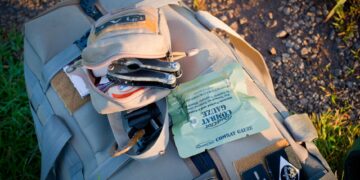
- Environment: Are you looking for a kit for your home, car, or workplace? Outdoor enthusiasts may need specialized kits for hiking or camping.
- Size of Group: How many people will the kit serve? Larger groups or families might require more comprehensive kits.
- Risk Level: Higher risk activities like woodworking or mountaineering will need kits with more specific supplies.
- Local Hazards: Consider any local wildlife, plants, or environmental conditions that could pose additional risks.
Key Components of an Effective First Aid Kit
While kits can vary greatly depending on the intended use, certain essentials should be included in every first aid kit:
- Bandages and dressings of various sizes
- Antiseptic wipes and creams
- Sterile gauze pads
- Adhesive tape
- Scissors and tweezers
- Pain relievers such as ibuprofen or acetaminophen
- Emergency blanket
- Instruction manual for basic first aid practices
Additional items such as allergy medications, tourniquets, or burn creams can be added based on individual or group needs.
Choosing Between Pre-Made or DIY Kits
There are advantages to both pre-made and DIY first aid kits. Pre-made kits are convenient, usually well-organized, and come with everything you need for general or specific situations. However, creating your own DIY kit allows for customization to better match personal health needs and risks you might face.
Pre-Made Kits
These are readily available at most drugstores or online. They save time and often come with user-friendly guides for common situations. When buying a pre-made kit, ensure it has enough supplies for your needs and that it’s compliant with safety regulations (such as OSHA for workplace kits).
DIY Kits
Building your own kit can be more cost-effective and tailored. Start with a sturdy, compact container, and fill it with medical supplies that align with your individual health concerns or environmental dangers. Always include personal medications and consider adding items like insect repellent or sunburn relief if relevant.
Training to Use Your First Aid Kit
Having a first aid kit is only as useful as your knowledge of how to use the contents effectively. It’s advisable to undergo basic first aid training, where you can learn skills such as CPR, wound care, and the proper way to use an EpiPen. Many organizations offer comprehensive training sessions tailored to different environments and requirements.
Regular Maintenance of Your First Aid Kit
It’s essential to keep your first aid kit updated and intact:
- Regularly check the expiration dates on all medications and replace any out-of-date or used up supplies.
- Keep the contents in a dry, cool place to prevent degradation of the materials.
- Reassess your kit periodically and adjust the contents as your needs or conditions change.
Conclusion
Choosing the right first aid kit involves thoughtful consideration of your specific circumstances and potential risks. Whether opting for a pre-assembled kit or creating a custom one, the key to maximizing safety is continuous learning, readiness to update your supplies, and staying informed on first aid practices. By integrating these strategies, you’re well on your way to ensuring that you and your loved ones are prepared for any emergency.
FAQs About First Aid Kits
What should you not put in a first aid kit?
Avoid medications that cause drowsiness, creams or ointments with strong perfumes, or anything with an expired date. Stick to essential, non-complicated items that are versatile and necessary.
How often should you check your first aid kit?
It’s recommended to review and restock your first aid kit at least once a year, or immediately after any significant use.
Can you bring a first aid kit on a plane?
Yes, most first aid items are allowed on planes, but always check current TSA regulations, especially concerning liquids or sharp objects like scissors.
Is it expensive to create a DIY first aid kit?
The initial investment may seem higher, but over time, building your own kit can be more cost-effective as you only replace what you use, and can bulk-buy items you need more frequently.
Armed with the right knowledge and resources, your choices regarding first aid kits will significantly boost your emergency response capabilities and ensure that you’re prepared for almost any situation.