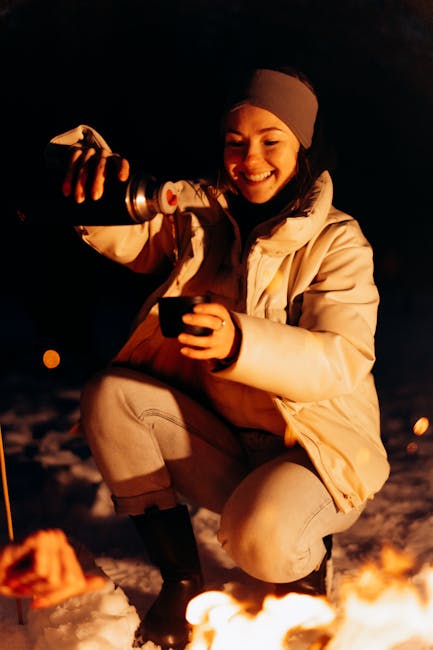
Surviving the Wild: Essential Skills for Wilderness Adventures
When planning to venture into the wild, the excitement of exploring the beauty of untamed nature comes bundled with inherent risks and essentials of survival. In today’s guide, we dive into the crucial skills you need for surviving the wilderness, ensuring you’re well-equipped for your next outdoor adventure.
Understanding Wilderness Survival Basics
Wilderness survival is more than knowing how to light a fire or finding shelter. It starts with a profound respect for nature and an understanding of the different environments you may encounter. Whether you’re hiking through alpine forests, crossing arid deserts, or navigating through lush jungles, each environment comes with specific challenges and requirements.
Preparation and Planning
Key to survival in any outdoor situation is thorough preparation. Planning your route, understanding the climate patterns, and informing someone about your travel plans are fundamental steps. Additionally, knowing potential hazards, such as wildlife encounters or toxic plants, can considerably enhance your safety.
Packing Essentials
The ten essentials—such as navigation tools, water, extra food, shelter, insulation (extra clothing), a flashlight, first-aid supplies, fire-starting supplies, a repair kit, and emergency items like whistles—are vital. However, tailor your equipment to the specific environment. For instance, extra water storage is crucial for desert hiking, while a reliable compass and a map are indispensable in forested areas.
Key Survival Skills Everyone Should Know
Having a handful of outdoor skills can make the difference between a successful trip and a potentially dangerous situation. Here are essential skills that every adventurer should master:
1. Navigation
Understanding how to read a map and use a compass is fundamental. Nowadays, GPS technology simplifies tracking your location, but batteries can fail. Traditional navigation skills are invaluable when electronics are not an option.
2. Finding and Purifying Water
Water is critical for survival, but not all water sources are safe. Learning how to locate water sources and purify water using tablets, boiling, or filtration systems is essential. Always carry multiple purification methods.
3. Building a Shelter
Exposure to harsh conditions can be life-threatening. Knowing how to build a shelter with natural materials or with what you have in your pack will protect you from elements like wind, rain, and extreme temperatures.
4. Starting a Fire
Fire serves multiple purposes: it can keep you warm, purify water, cook food, and signal for help. Practice making fires with flint, matches, lighters, and learn the basics of fire safety to prevent wildfires.
5. Signaling for Help
In case of an emergency, knowing how to signal for help can expedite rescue operations. Use mirrors, whistles, or make smoke signals to attract attention from search and rescue teams.
Adapting to Wilderness Challenges
The wilderness is unpredictable, and adaptable skills are as crucial as preparatory ones. Here are some additional tips to help you deal with unexpected situations:
Wildlife Encounters
Inform yourself about the wildlife in the area you are going to explore. Understanding animal behavior and knowing how to respond can prevent tense encounters or attacks.
Weather Changes
Weather in the wilderness can be volatile. Learning to read natural signs for weather forecasting can give you enough time to seek shelter or alter your route for safety.
Awareness and Mindful Connection
Finally, maintaining a mental and emotional balance is essential. Panic and fear can impair judgment. Breathe, think, and act consciously. Embrace the connection with nature, respect its enormity, and enjoy the profound beauty while staying alert.
Conclusion
Equipping yourself with essential wilderness survival skills, preparing adequately for your trek, and maintaining respect for nature ensures not just survival, but also a rewarding and life-enriching experience. Whether you’re a seasoned adventurer or a curious novice eager for your first wilderness expedition, mastering these skills will empower your journey, keep you safe, and enhance your connection with the great outdoors.