Surviving the Unthinkable: Essential Health Strategies for Extreme Conditions
In a world that is increasingly subject to extreme weather events, political unrest, and various emergencies, being prepared for the unthinkable is no longer optional. Whether it’s a natural disaster such as a hurricane or earthquake, or human-made crises like war zones or severe economic downturns, knowing how to maintain your health in extreme conditions can make the difference between surviving and thriving. This article delves into essential health strategies that can safeguard you and your loved ones in adverse scenarios.
Understanding the Risk Landscape
Before delving into specific strategies, it’s crucial to understand the types of risks you might face. This awareness allows you to prepare adequately and tailor your health strategies accordingly. Common extreme conditions include:
- Natural Disasters: Earthquakes, hurricanes, floods, and wildfires.
- Human-made Events: War, economic collapse, and pandemics.
- Environmental Hazards: Extreme cold or heat, polluted water or air.
Each scenario requires specific preparations and responses, particularly concerning health and well-being.
Maintaining Nutritional Health in Crises
Stockpiling Essential Nutrition
One of the first casualties in extreme conditions often is the food supply chain. It’s vital to have a stockpile of nutritious, non-perishable food items. Canned vegetables and fruits, beans, whole grains, and protein bars can sustain you when fresh produce is not available. Remember to rotate your stock to keep it fresh.
Using Supplements Wisely
In situations where balanced diets are hard to maintain, supplements can play a crucial role. Key supplements include multivitamins to cover any nutritional gaps, Vitamin D for immune function, and Omega-3 fatty acids for cardiovascular and mental health.
Hydration Under Duress
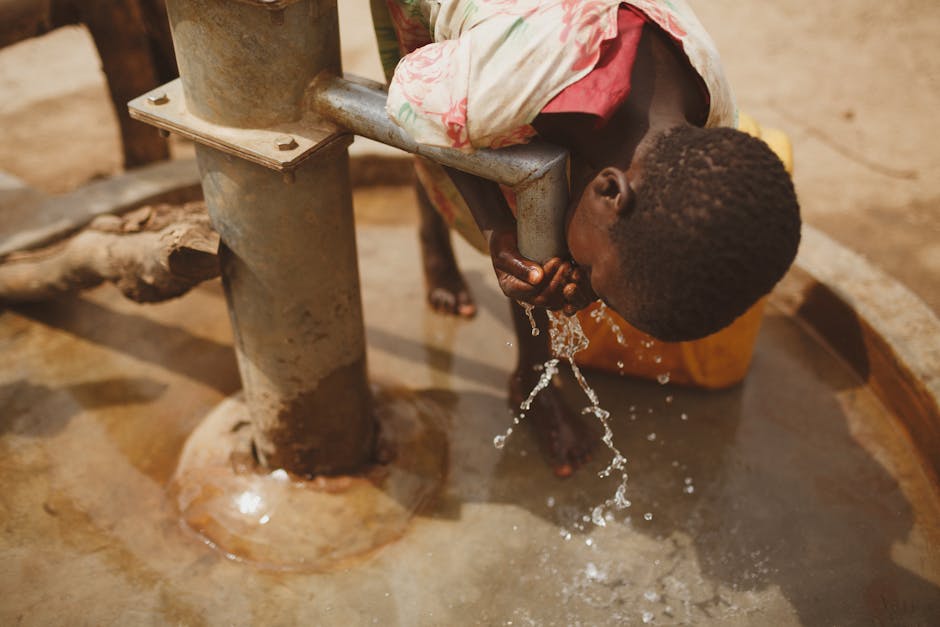
Water is life, particularly in extreme conditions. The lack of clean water can quickly turn a survivable situation into a critical one.
Safe Water Strategies
Always have multiple methods for purifying water. Boiling, chemical purifiers (like iodine tablets), and filtration systems can all be effective. Storing water in safe, durable containers is also crucial. Recommended is to have at least one gallon of water per person per day stored.
Managing Health Conditions During Crises
Those with chronic illnesses must take additional precautions.
Securing Medications
Ensure a sufficient supply of all prescription medicines. Most pharmacies will provide up to a 90-day supply, which is advisable in uncertain times.
Alternative Treatments
Research and understand possible alternatives for your medications that could be used in extreme scenarios. For instance, certain herbs can manage less severe symptoms of common diseases.
Mental Health and Resilience
The psychological impact of surviving extreme conditions can be profound and debilitating.
Establish Routines
Maintain a semblance of normalcy with daily routines. This can provide psychological comfort and a sense of control.
Mindfulness and Mental Exercises
Practices like meditation, breathing exercises, and journaling can significantly mitigate stress and anxiety.
Physical Fitness: Your Best Defence
Being in good physical condition can greatly increase your chances of survival and ability to cope with stress.
Regular Exercise
Incorporate a regular exercise regimen that includes strength, flexibility, and cardiovascular fitness. Adapt exercises to suit your environment, using body weight or improvised weights.
Navigating Medical Emergencies Independently
In many extreme conditions, professional medical help may not be readily accessible.
First Aid Training
Basic first aid knowledge is indispensable. Consider community classes or online courses.
Emergency Medical Kits
Assemble a kit that includes bandages, antiseptics, a tourniquet, pain relievers, and other essentials. Know how to use everything in your kit.
Community and Communication
Do not underestimate the power of community and effective communication in crisis situations.
Build a Support Network
Develop a network of trust with neighbors and local community members. Exchange skills, supplies, and information.
Effective Communication Tools
Have multiple ways to receive and disseminate information. Radios, smartphones, and even simple messenger systems can be critical.
Conclusion: The Power of Preparedness
Facing extreme conditions is undoubtedly challenging, but with the right preparation and mindset, surviving and thriving are achievable. It’s about laying the groundwork before emergencies occur—stockpiling supplies, maintaining your health, and cultivating resilience. By adopting these essential health strategies, you are not just preparing to survive; you’re ensuring you can face whatever comes with strength and confidence.