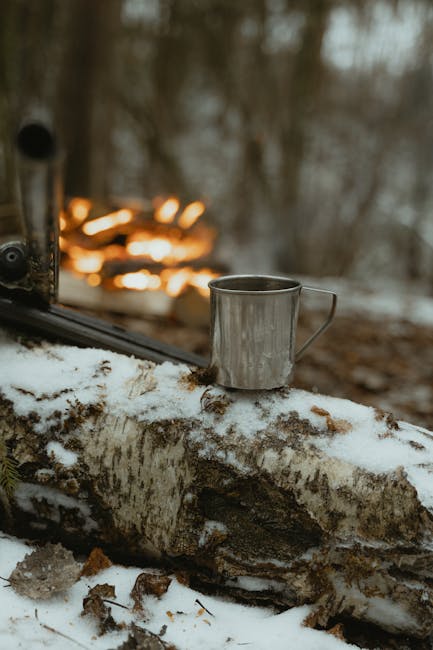
Surviving Against the Odds: Cultivating Resilience in Extreme Situations
In the face of adversity, whether it’s a natural disaster, severe economic hardship, or personal tragedy, the human spirit’s resilience emerges as a powerful force. Cultivating resilience in extreme situations is not only about surviving but thriving despite the odds. In this comprehensive guide, we will explore strategies and mindsets that bolster psychological resilience and discuss ways to manage stress and fear effectively in high-stress scenarios.
Understanding Resilience
Resilience is often defined as the capacity to recover quickly from difficulties. It’s about bouncing back from challenges with increased strength and wisdom. A resilient individual utilizes personal resources, learned skills, and support networks to navigate through life’s adversities. This trait is not static but can be cultivated and enhanced over time with the right practices and mindset.
Building Emotional Strength
The Power of Positive Thinking
Positive thinking plays a crucial role in resilience. By focusing on solutions rather than problems, individuals can maintain hope and see opportunities for growth in tough times. Techniques such as affirmations, visualization, and cognitive restructuring can aid in developing a more positive outlook.
Emotion Regulation Techniques
Managing emotions effectively is essential to remain functional in a crisis. Practices like mindfulness, deep breathing exercises, and meditation can help calm the mind and reduce feelings of anxiety and overwhelm. Learning these techniques beforehand can prepare individuals to stay composed and clear-headed when unexpected situations arise.
Physical Wellness as a Foundation
Maintaining physical health is vital in enhancing one’s resilience. Regular exercise, adequate sleep, and a balanced diet contribute to physical robustness, which directly impacts mental stamina. Especially in extreme situations, a healthy body can significantly boost your ability to endure and adapt through stressful times.
Developing Problem-Solving Skills
Resilient individuals often exhibit strong problem-solving skills, which help them assess situations logically and formulate effective strategies. Enhancing these skills involves practicing scenario-based planning and decision-making exercises. Engaging in challenges that require critical thinking and adaptability can also sharpen these abilities.
Cultivating Social Connections
Social support is a key component of resilience. Building and sustaining a network of supportive relationships provides emotional comfort and practical assistance during crises. Activities that promote social connection, such as community service or group sports, can be beneficial. Additionally, learning to ask for help and communicate effectively are vital skills in maintaining strong social ties.
Learning from Past Experiences
Every challenge provides a lesson. Reflective practices such as journaling or therapy can facilitate insight and personal growth from past adversities. These insights can reinforce resilience by highlighting personal strengths and areas for improvement, thus preparing individuals for future challenges.
Staying Informed and Prepared
Knowledge is power when it comes to handling extreme situations. Staying informed about potential risks and having a preparedness plan can alleviate anxiety and enhance a sense of control. Whether it’s learning survival skills, CPR, or keeping an emergency supply kit, preparedness can significantly impact survival outcomes and resilience levels.
Frequently Asked Questions
How can I build resilience day-to-day?
To cultivate resilience daily, focus on maintaining a balanced lifestyle with regular self-care practices, setting realistic goals, and being proactive in personal development and relationships management.
Are some people naturally more resilient than others?
While genetic factors can play a role, resilience is largely influenced by environment and skills that are developed throughout life. Hence, anyone can increase their resilience through intentional practice and support.
What are the first steps to take in an emergency?
Initial steps should always be to ensure personal safety and security. This includes assessing the situation, getting to safety, and following established emergency protocols. Following this, seeking or offering help to others can be considered, depending on the situation.
In conclusion, cultivating resilience in extreme situations involves a multi-dimensional approach encompassing mental health, physical well-being, critical skills, and social support networks. By integrating these resilience-building strategies into your life, you’ll not only prepare yourself for potential crises but also enhance your overall quality of life and capacity to manage everyday stressors. Remember, resilience is a journey, not a destination, and with each step, you build stronger defenses against the unpredictabilities of life.