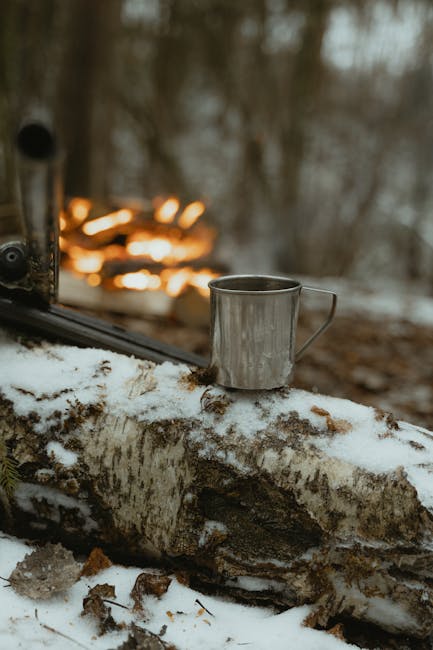
Survival Mindset: Thriving in Extreme Conditions
Surviving extreme conditions goes beyond having the physical tools and resources; it fundamentally depends on having a resilient survival mindset. This capability to mentally and emotionally cope in crises—not just to survive, but to thrive—is vital. Whether in wild outdoor adventures, natural disasters, or unexpected emergency scenarios, developing a robust psychological toolkit can be your greatest asset.
Understanding the Survival Mindset
At its core, the survival mindset is a form of mental resilience that engages positive thinking, problem-solving skills, and emotional management to overcome adverse situations. It involves a mix of preparedness, awareness, and the unyielding will to persevere. Cultivating such a mindset can dramatically increase your chances of survival and success in harsh conditions.
Key Characteristics of a Strong Survival Mindset
- Preparedness: Anticipating potential scenarios and having strategic plans in place.
- Adaptability: Adjusting quickly to new or changing environments.
- Resilience: Recovering from setbacks with increased determination.
- Calmness: Maintaining composure to make thoughtful decisions under pressure.
- Optimism: Believing in positive outcomes despite the odds.
Building Your Survival Mindset
Creating a strong survival mindset takes intentional effort and practice. Here are strategies to help you build and strengthen this critical skill set:
1. Educate Yourself
Knowledge is power. Understand the basics of survival, from first aid to how to find food and water in the wild. Read survival stories and learn from the experiences of others who have faced extreme conditions.
2. Practice Stress Management Techniques
Learn how to manage stress effectively. Techniques such as deep breathing, meditation, and mindfulness can help maintain your mental focus and emotional calm in high-pressure situations.
3. Engage in Scenario Planning
Think through various adverse scenarios and plan your responses. This kind of mental rehearsal can prepare you to react more efficiently and effectively when faced with actual challenges.
4. Boost Physical Fitness
Your physical condition greatly affects your mental state. Regular exercise not only builds physical strength and endurance but also enhances mental clarity and stamina.
5. Foster a Positive Attitude
Optimism is a powerful tool in your survival arsenal. It fuels persistence and opens your mind to problem-solving possibilities that pessimism shuts down.
FAQs About Surviving Extreme Conditions
Answering common questions can further prepare you for unexpected survival situations:
What are essential survival skills?
Essential survival skills include fire-building, shelter-making, water purification, and navigation. Also, knowing how to signal for help and basic first aid can save lives.
How important is mental health in survival situations?
It’s extremely important; survival is as much a mental challenge as a physical one. Managing fear and stress can be the difference between panic and effective response.
Can you learn survival skills from books and courses?
Yes, books and courses are great resources to learn theoretical knowledge and practical skills. However, nothing beats practicing these skills in real-life or simulated conditions for hands-on experience.
Real-Life Examples of the Survival Mindset in Action
History and news are filled with stories of incredible survival that illustrate the power of a strong survival mindset. From Ernest Shackleton’s Antarctic expedition to modern adventurers, these stories offer valuable lessons in mental fortitude and resourcefulness.
Conclusion
Thriving in extreme conditions isn’t just about surviving the ordeal; it’s about emerging stronger. Developing a survival mindset enables you to face adversities not just in extreme situations but in everyday life. It teaches resilience, adaptability, and the importance of preparedness—qualities essential for any individual facing the challenges of our modern world.