
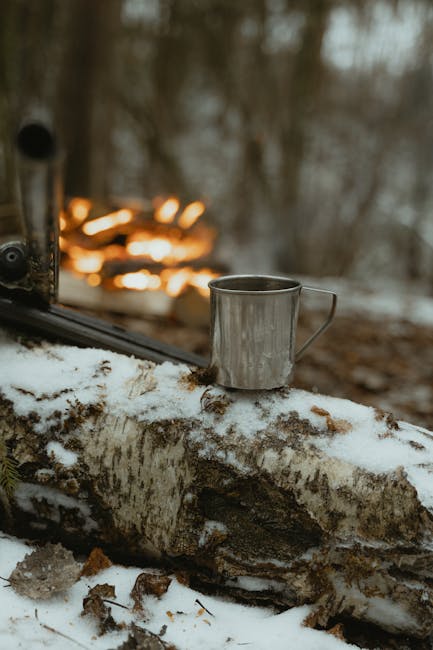
Survival Mindset: Strategies for Overcoming Extreme Challenges
Survival situations can arise from various scenarios—natural disasters, economic collapses, stranded in the wilderness, or even social upheavals. The key to navigating these extreme challenges lies not just in physical preparedness but, importantly, in cultivating a robust survival mindset. This comprehensive guide explores effective strategies for mental resilience, enhancing critical decision-making, and sustaining hope against all odds, providing a structured approach to thrive in adversity.
Understanding the Survival Mindset
What is a Survival Mindset?
A survival mindset refers to the mental process and attitudes adopted by individuals to persevere through extreme challenges. It encompasses characteristics such as adaptability, resilience, resourcefulness, and the ability to remain calm under pressure. Developing this mindset is crucial for making rational decisions that could determine survival in life-threatening situations.
Why is Mental Toughness Essential in Survival Situations?
In high-stress environments, physical readiness will assist, but mental toughness becomes the ultimate game-changer. It fuels continued effort and problem-solving despite the odds, fostering a psychological state that embraces challenges and views obstacles as surmountable.
Key Strategies to Develop a Survival Mindset
Stay Calm and Assess Your Situation
One of the first steps in any survival situation is to assess your circumstances calmly and systematically. Panic often leads to clouded judgment and rash decisions which can exacerbate the situation. Techniques such as deep breathing, meditation, or even simple mindfulness can assist in maintaining calm and focus.
Quick Tips to Stay Calm:
- Practice regular deep-breathing exercises.
- Develop a habit of stepping back and assessing situations objectively.
- Regularly engage in activities that reduce stress such as yoga or meditation.
Prioritize and Plan
After assessing the situation, the next strategy involves setting priorities and making a plan. Determine the most immediate needs like shelter, water, food, or first aid. Planning creates a sense of control and direction which is crucial in a survival situation.
Building Effective Plans:
- Use the “Rule of Threes” as a guideline (a human can survive three minutes without air, three hours without shelter in harsh conditions, three days without water, and three weeks without food).
- Make actionable, step-by-step plans to meet each need.
- Constantly evaluate and adjust your plans as circumstances change.
Foster Adaptability
Adaptability—the capacity to adjust to new conditions—is a defining trait of the survival mindset. In unpredictable scenarios, flexibility can be more vital than the best-laid plans.
How to Boost Adaptability:
- Regularly challenge yourself to step out of your comfort zone.
- Train in a variety of survival skills and scenarios to prepare for unpredictability.
- Learn to think laterally and not just linearly.
Encourage Continuous Learning
Knowledge is a survivor’s best tool. Continuous learning equips you with practical skills like basic survival techniques, first aid procedures, or the ability to identify safe from hazardous natural resources.
Effective Learning Strategies:
- Attend survival workshops or training courses.
- Invest time in learning from survival experts and enthusiasts.
- Practice regularly—skills are more reliable than theory.
Build Emotional Resilience
Survival situations can be as emotionally taxing as they are physically demanding. Building emotional resilience helps manage anxiety, stress, and fear which are common in extreme challenges.
Techniques for Emotional Resilience:
- Establish strong support networks of friends and family.
- Keep a survival journal to document thoughts, plans, and successes.
- Engage in positive self-talk to boost morale.
Maintain Physical Health
Physical health significantly impacts mental state. Regular exercise and fitness bolster not only physical strength and stamina but also improve mental health by reducing stress levels and enhancing cognitive function.
Keeping Physically Fit:
- Engage in regular aerobic and strength-building exercises.
- Practice survival tasks like hiking with a pack to simulate real-world challenges.
- Pay attention to nutrition and rest for overall well-being.
Common Questions About Survival Mindset
How can I train my mind for survival scenarios?
Start by making mindfulness or stress-management exercises a regular part of your routine, which enhances your ability to remain calm in emergencies. Engage in regular mental and physical challenges to strengthen adaptability and resilience.
What are the first steps in developing a survival plan?
Identify the most critical needs depending on the scenario (shelter, water, food, safety). Next, break down each need into actionable steps that you can execute realistically based on your skills and resources.
How can I maintain motivation in a prolonged survival situation?
Maintaining motivation can be facilitated by setting small, achievable goals, celebrating small victories, keeping a routine, and staying connected to the purpose like keeping yourself healthy for your family.
Conclusion
Surviving extreme situations requires more than just a stockpile of goods or specialized skills; it necessitates a specifically tailored mindset equipped to handle high-pressure scenarios with strategic thinking and emotional resilience. By cultivating these personality traits and learning these critical survival strategies, you can enhance not only your likelihood of surviving extreme challenges but also your ability to thrive in everyday adversity. Remember, the key to overcoming is as much in the mind as it is in the material preparations.





