Survival Gardening Essentials: Cultivating Your Secure Food Source
In a world where food security is increasingly subject to global uncertainties, developing a self-sufficient, sustainable food system is more important than ever. Survival gardening represents a proactive approach to ensuring you and your family have access to nutritious food in the event of societal disruptions, natural disasters, or economic downturns. This guide will walk you through the essentials of creating a productive survival garden that sustains and nurtures.
Understanding Survival Gardening
Survival gardening goes beyond traditional gardening by focusing on resilience, sustainability, and the continuous production of valuable, calorie-dense crops. It’s not just about growing food; it’s about cultivating a reliable food system right in your backyard. This type of gardening practices self-sufficiency and prepares for scenarios where grocery stores might not be an option.
Choosing the Right Location
Starting your survival garden begins with selecting an appropriate location. Opt for an area that receives plenty of sunlight (at least six hours a day), has good soil quality, and is near a clean water source. It’s also crucial to consider security and privacy, ensuring your garden is not easily visible to passersby, which might be important in chaotic times.
Soil Preparation and Management
Success in survival gardening heavily depends on soil health. Begin by testing your soil to understand its pH level and nutrient profile, adjusting as necessary with organic matter or specific amendments. Compost, manure, and leaf mold can significantly improve soil fertility and structure, promoting robust plant growth.
Creating Compost
Composting is a cornerstone of sustainable gardening practices. By recycling kitchen scraps, yard waste, and other organic materials, you can create rich compost that feeds your soil without the need for chemical fertilizers. Establish a composting system that suits your space, whether it’s a simple pile in the corner of your garden or a more structured bin setup.
Water Management Techniques
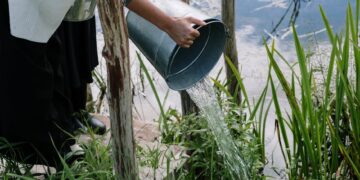
Efficient water use is essential, especially in regions prone to drought. Collect rainwater with barrels or implement a greywater system to recycle household water. Drip irrigation or soaker hoses can reduce water wastage by delivering moisture directly to plant roots, while mulching helps retain soil moisture and suppresses weeds.
Selecting the Right Crops
Choosing the right crops for your survival garden should be influenced by their yield, nutritional value, and ease of growing in your specific climate. Focus on calorie-dense staples like potatoes, beans, and squash, as well as nutrient-rich greens like spinach and kale. Hardy herbs like rosemary and thyme are also valuable for their culinary and medicinal benefits.
Perennial Plants for Long-Term Planning
Integrating perennial plants can provide food with minimal replanting. Asparagus, berries, and fruit trees offer returns year after year and can form a stabilizing base for your garden’s productivity.
Pest and Disease Control
Natural pest and disease control methods are vital in a survival gardening setup. Companion planting can deter pests, while encouraging beneficial insects with plants like marigolds and lavender enhances your garden’s health. Regularly inspect plants and act swiftly to address issues without resorting to harsh chemicals.
Organic Solutions
Neem oil, diatomaceous earth, and homemade remedies like garlic or chili sprays can manage pests organically. For diseases, ensure good air circulation among plants and rotate crops annually to prevent soil-borne pathogens from taking hold.
Harvesting and Storing Your Produce
Timely harvesting ensures you get the most out of your garden. Familiarize yourself with the peak harvesting time for each crop, and plan for successive plantings to extend your garden’s productive period. Storing your harvest properly is just as crucial—learn techniques like canning, drying, and cold storage to preserve your food’s nutritional value and extend its shelf life.
Common Questions About Survival Gardening
How much land do I need?
The size of your garden will depend on your goals and the number of people you are feeding. However, even small plots or container gardens can produce significant amounts of food with the right techniques and plant choices.
What if I’m new to gardening?
Start small and expand as you gain confidence and experience. Resources such as local gardening clubs, online forums, and educational books can provide guidance and support.
How can I maximize limited space?
Vertical gardening, container gardening, and intercropping are excellent ways to increase yield in small areas. Each method maximizes space and can increase the variety of crops you grow.
Conclusion: Cultivating Security and Self-Sufficiency
Survival gardening empowers you to take control of your food supply, providing security in unpredictable times. By investing in the essentials of a sustainable food garden—quality soil, water efficiency, and strategic crop selection—you’ll cultivate a resilient food source that preserves your independence and well-being no matter what challenges lie ahead.
Embrace the spirit of self-sufficiency with your survival garden and enjoy the peace of mind and satisfaction that comes from growing your own food sustainably and securely.