
Survival and Healing: Advanced Techniques in Wilderness Medicine
Survival and healing in the wilderness demand more than just basic first aid knowledge. When you’re miles from the nearest hospital, advanced wilderness medicine techniques can be crucial for ensuring safety and health. This article delves into sophisticated strategies and answers common questions to help you manage medical emergencies in remote environments effectively.
Understanding Wilderness Medicine
What is Wilderness Medicine?
Wilderness Medicine involves medical care provided in remote areas where traditional medical facilities are unavailable. This specialty focuses on unique skills, treatments, and decision-making processes suited to wilderness settings.
Why is Wilderness Medicine Important?
In remote areas, the delay between injury and definitive care is significantly prolonged. Understanding wilderness medicine can be critical in preventing complications, performing life-saving treatments, and stabilizing the patient for evacuation.
Advanced Techniques in Wilderness Medicine
1. Assessment and Initial Management
In wilderness settings, the assessment follows a protocol similar to urban settings, starting with ABCDE (Airway, Breathing, Circulation, Disability, Exposure/Environment) but also emphasizes safety from environmental threats.
Handling Severe Trauma
For severe trauma, controlling bleeding is paramount. Techniques such as applying pressure, using hemostatic agents, and proper tourniquet placement can save lives.
2. Managing Hypothermia and Hyperthermia
Hypothermia Management
Rewarming strategies are critical. Passive external rewarming, active external rewarming, and active internal rewarming may be required based on the severity.
Hyperthermia Management
For hyperthermia, immediate cooling techniques are essential. Dousing with water, ensuring adequate hydration, and finding shade can prevent heatstroke.
3. Altitude Illnesses
Recognizing and Treating Altitude Sickness
Symptoms like headache, nausea, and dizziness should not be ignored. Descending to a lower altitude, administering oxygen, or using medications such as Acetazolamide can be life-saving.
4. Handling Animal and Insect Bites
Snake Bites
Remain calm, immobilize the affected area, and transport to emergency care as quickly as possible. Avoid incisions or suction on the wound.
Insect Stings
For severe allergic reactions (anaphylaxis), administer an epinephrine auto-injector if available and seek immediate medical help.
5. Water Disinfection and Hydration
Using iodine, chlorine drops, or portable filters can prevent waterborne illnesses, which are common in wilderness settings.
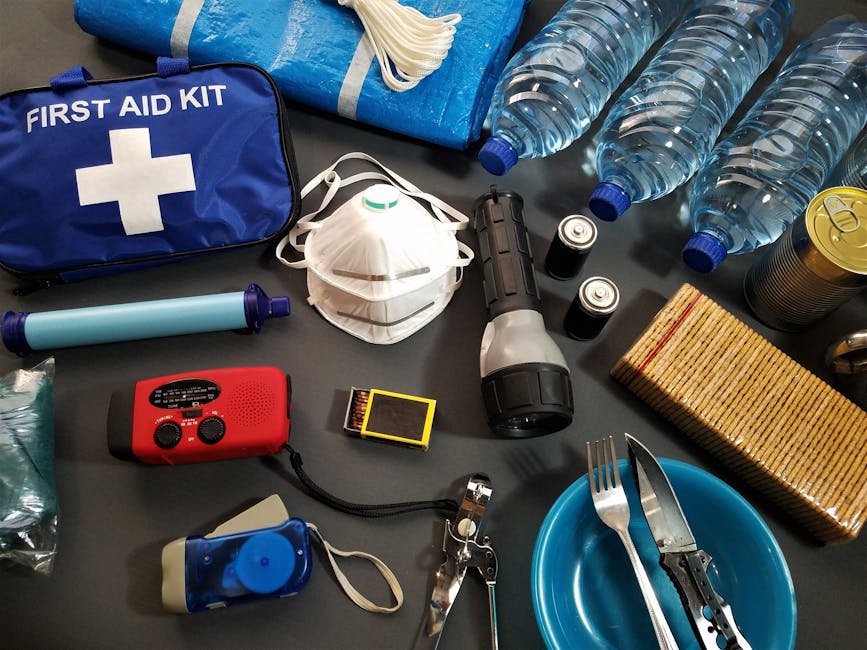
Wilderness First Aid Kits: Essentials
A comprehensive wilderness first aid kit should include items tailored to the environment and the duration of the trip. Essentials include:
- Bandages and gauze
- Antiseptic wipes and creams
- Splinting materials
- Prescription medications
- Allergy medications such as antihistamines and epinephrine
- Tools like tweezers and scissors
Ensure kits are lightweight and waterproof.
Training and Preparedness
Wilderness First Aid (WFA) and Wilderness First Responder (WFR)
Participating in Wilderness First Aid (WFA) or Wilderness First Responder (WFR) training can dramatically increase survival rates in wilderness emergencies. These courses cover detailed practical skills and decision-making strategies.
Simulation Training
Engaging in scenario-based training can prepare you for real-life situations. Regular drills enhance your ability to respond swiftly and effectively.
Technology and Wilderness Medicine
Use of GPS and Emergency Beacons
In the event of an emergency, GPS devices and emergency beacons can be lifesavers, facilitating quick location by rescue teams.
Mobile Apps
Various mobile apps provide guidance on first aid procedures and can help in identifying plants, snakes, and symptoms of illnesses, enhancing your ability to handle emergencies.
Common Questions in Wilderness Medicine
How do you ensure hydration when clean water is not available?
Always purify water using appropriate methods. Carrying iodine tablets or portable water filters can mitigate the risks of dehydration and illness.
What are the signs of a concussion in the wilderness?
Signs of a concussion include confusion, headache, nausea, and dizziness. Immediate rest and monitoring are crucial; evacuate if symptoms persist or worsen.
How can you tell if a snake is venomous?
Learn to recognize local wildlife. Features such as the shape of the head and color patterns can indicate whether a snake is venomous. However, treat all unknown snake bites as potentially dangerous.
Conclusion: Staying Safe and Informed
Advanced wilderness medicine is about preparation, understanding environmental challenges, and having the skills and tools to respond effectively. By enhancing your knowledge and preparedness, you ensure that you and your fellow adventurers can enjoy the wilderness safely, with the confidence to handle emergencies that may arise. Equip yourself with education, a well-stocked first aid kit, and the spirit of vigilant readiness to turn potential crises into manageable situations.




