Secrets of the Forest: A Guide to Mastering Wild Foraging
Unveiling the mysteries hidden beneath the forest canopy, wild foraging is more than just a way to gather edible items—it’s a journey into the heart of nature’s bounty. Spanning from beginner tips to advanced strategies, this guide will equip you with crucial insights into the art of wild foraging, helping you to safely and sustainably gather food from your local woodlands.
Understanding Wild Foraging
Wild foraging involves searching for and harvesting wild food resources including plants, berries, nuts, and mushrooms directly from their natural environment. By engaging with this ancient practice, not only do you reconnect with nature, but you also tap into a sustainable food source. However, mastering wild foraging requires knowledge of botany, ecology, and the legalities surrounding foraging in public or private spaces.
Essential Equipment for Wild Foragers
Before heading out into the wild, it is crucial to prepare adequately. Essential items for foragers include:
- A good field guide: A comprehensive guide helps in positively identifying edible plants and mushrooms.
- Comfortable clothing and sturdy footwear: Durable yet comfortable attire that protects against weather and terrain.
- A basket or collecting bag: Something to carry your finds without damaging them.
- Gardening gloves: To protect your hands from thorns and other sharp objects.
- A knife: Useful for harvesting various plants and fungi.
With the right tools and preparation, foraging can be an enjoyable and rewarding experience.
Identifying Edible Plants and Mushrooms
Identification is paramount in foraging. Mistaking edible plants for toxic ones can lead to serious health issues or even fatalities. Here are some tips for safely identifying edible species:
- Study with experts: Join foraging workshops or walks led by experienced foragers.
- Use multiple sources: Always cross-reference information with various field guides or digital resources.
- Avoid risky species: Certain mushrooms and plants have poisonous look-alikes; avoid these unless you are absolutely sure of their identity.
By learning from experienced foragers and trusted resources, beginners can gradually build their identification skills and confidence.
The Best Seasons for Foraging
The changing seasons offer different foraging opportunities:
- Spring: Young shoots, leaves, and some early blossoms.
- Summer: Berries, fruits, and flowering plants.
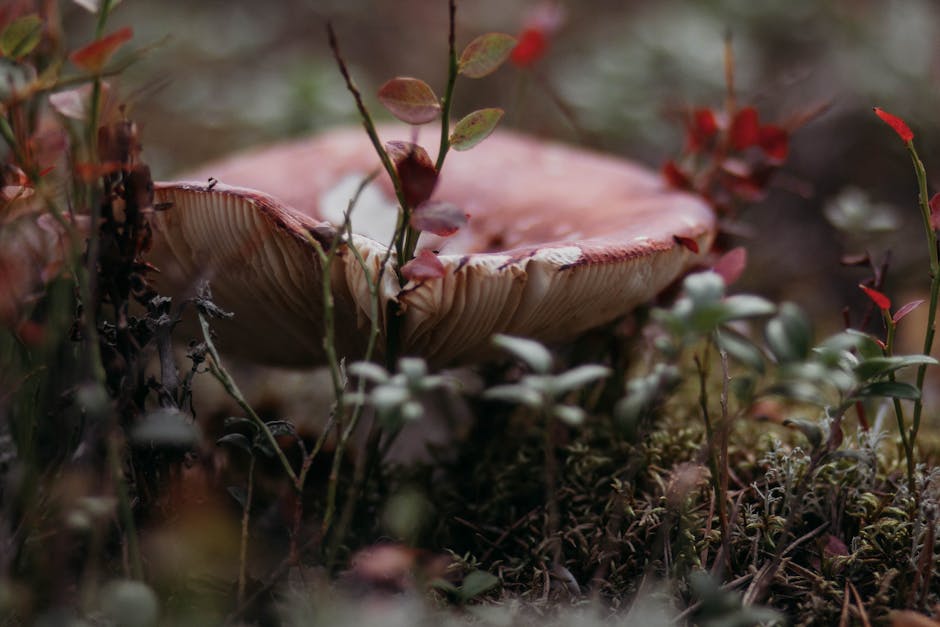
- Fall: Nuts, seeds, and a variety of mushrooms.
- Winter: Root vegetables and winter greens.
Understanding seasonal patterns and plant cycles is crucial to foraging effectively and responsibly.
Foraging Ethics and Legality
To forage responsibly, it’s important to adhere to ethical guidelines and legal regulations:
- Seek permission: Always obtain permission to forage if you are on private land or in protected areas.
- Respect wildlife habitats: Avoid disrupting wildlife and their ecosystems.
- Practice sustainability: Harvest in a way that allows plant populations to regenerate.
By foraging ethically, you contribute to the conservation of the ecosystem and ensure that these resources remain abundant for future generations.
Common Questions about Wild Foraging
Is foraging safe? Yes, if you correctly identify plants and mushrooms and harvest them from unpolluted areas.
Can I forage anywhere? No, some areas are protected, and others may require specific permissions for foraging. Research local guidelines beforehand.
How do I know if a wild plant is safe to eat? You must positively identify each species using multiple sources and expert advice to ensure safety.
Wild foraging offers a unique way to connect with nature, enhancing your understanding of the environment while providing an opportunity to eat fresh, local food. From identification to preparation, every step in the foraging process can be a rewarding adventure. By applying the knowledge gained from this guide, and constantly increasing your understanding through experience and education, you can become proficient at sustainable foraging, enjoying nature’s gifts with respect and care.
With these fundamentals in place, you’re ready to embark on your foraging journey, one leaf, berry, or mushroom at a time. Happy foraging!