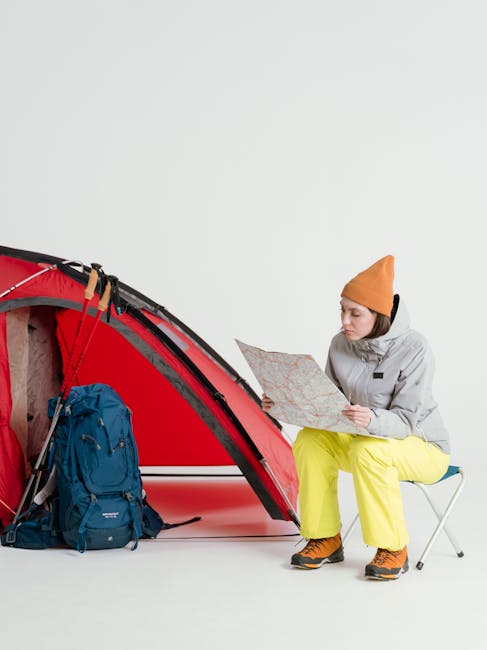
Mastering Wilderness Survival: Essential Skills for the Great Outdoors
Navigating the wilderness can be an exhilarating yet challenging experience. Whether you’re planning a short hike or a prolonged stay in the backcountry, mastering essential wilderness survival skills is crucial for safety and enjoyment. This comprehensive guide will delve into the key skills needed for surviving and thriving in the wild.
Understanding Basic Wilderness Survival Principles
Before venturing into the wilderness, it’s important to understand the basic principles of survival. Survival experts often refer to the “Rule of Threes” which states:
– You can survive three minutes without air.
– You can survive three hours without shelter in harsh conditions.
– You can survive three days without water.
– You can survive three weeks without food.
Keeping these guidelines in mind will help prioritize your actions in a survival situation.
Finding and Creating Shelter
Choosing a Good Location
When looking for shelter, your primary concern should be protection from the elements and ease of rescue. Look for natural structures like caves or overhangs that can be enhanced with branches, leaves, and other natural materials. Avoid areas that could pose risks such as flooding or falling rocks.
Building Techniques
Building a shelter can be as simple as using a tarp or as complex as constructing a lean-to or a debris hut. Experimenting with different techniques on camping trips before you actually need to rely on them for survival is a great way to prepare.
Procuring Water
Water is crucial for survival, and finding a reliable source should be a top priority. Rivers, streams, and lakes are obvious sources, but knowing how to safely collect and purify water is essential.
Water Purification Methods
Boiling water is the most reliable method for purification. Other methods include chemical purifiers like iodine or chlorine tablets, and filtration systems. Always have a backup method in case one fails.
Finding Food in the Wilderness
While you can survive a significant amount of time without food, acquiring nutrients will help maintain your energy and health.
Edible Plants and Insects
Learning about edible plants and insects can provide a crucial food source. Be sure to study and carry a guide on local plant life to avoid poisonous species. Insects, rich in protein, can also be a viable option.
Hunting and Trapping
For longer survival situations, setting up snares and traps can catch small game. Familiarize yourself with local wildlife and learn basic trapping and hunting skills, adhering to all local laws and regulations.
Navigating the Wilderness
Losing your way in the wilderness can be dangerous. Understanding basic navigation is a must for any outdoor enthusiast.
Using a Compass and Map
Always carry a compass and a detailed map of the area. Learn how to read topographical maps and align them with your surroundings using a compass.
Natural Navigation
In situations without a compass or map, natural navigation techniques, like using the position of the sun or stars, can be invaluable.
Handling Emergencies and First Aid
Emergencies can arise without warning, and having first aid knowledge is essential.
First Aid Basics
Carry a well-equipped first aid kit and know how to use every item inside it. From treating cuts and burns to knowing CPR, basic first aid skills can be life-saving.
Signaling for Help
In case of an emergency, knowing how to signal for help is crucial. This can include using a whistle, creating smoke signals, or using a mirror to reflect sunlight.
Maintaining a Positive Mental Attitude
The mental aspects of survival are just as important as the physical. Stress and panic can cloud judgment and make a survival situation worse.
Stress Management Techniques
Practicing mindfulness and staying calm can greatly increase your chances of survival. Keep morale high and work methodically to improve your situation.
Conclusion
Mastering wilderness survival skills is about preparation, practice, and persistence. Whether you’re a seasoned adventurer or a novice hiker, these skills can ensure that every outdoor excursion is safe and enjoyable. Remember, the key to mastering the great outdoors is respect for nature and a commitment to learning. Equip yourself with knowledge, and enjoy the beauty and challenge of the wilderness.