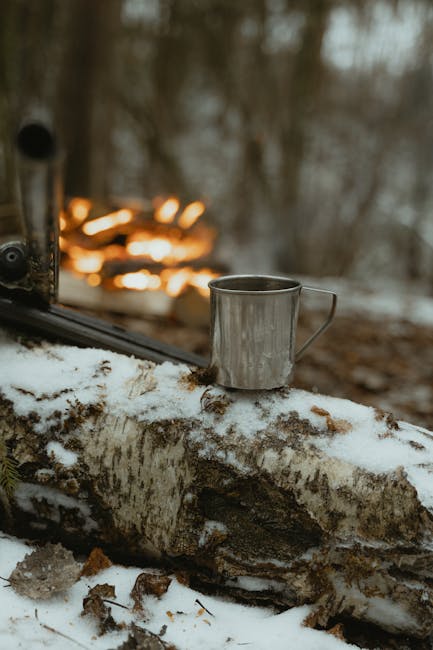
Mastering Wilderness Survival: Essential Forest Skills for Thriving in the Wild
Introduction
Thriving in the wild requires more than just a love for nature; it demands specific forest survival skills that can mean the difference between a fulfilling adventure and a harrowing ordeal. Whether you’re a seasoned outdoor enthusiast or a novice eager to explore, understanding the basics of wilderness survival is crucial. This guide will dive into the essential skills needed for effective navigation, shelter building, food sourcing, and safety in forest environments.
Understanding Your Environment: The First Step to Survival
Navigating the Forest
Navigation is a fundamental survival skill. When venturing into the wilderness, always carry a reliable map and compass. Modern GPS devices and mobile apps can help, but they are no substitute for traditional navigation skills, especially in remote areas where technology may fail.
- Learn to read maps: Understand topographic lines, scales, and symbols.
- Use a compass: Practice basic orienteering techniques to stay on course.
- Landmark identification: Use natural structures like rivers and mountain ranges to orient yourself.
Recognizing Hazardous Weather Conditions
Weather in the wilderness can be unpredictable and dangerous. Learn to read the signs of impending hazardous weather:
- Cloud formations: Certain cloud types can indicate storms.
- Sudden temperature changes: Can signal approaching adverse weather.
- Wind patterns: Strong or sudden winds often precede storm fronts.
Hiking and weather apps can be valuable resources, providing real-time updates and forecasts to help you plan accordingly.
Building Shelter: Your Refuge in the Wild
Finding or creating shelter is paramount to survival in harsh conditions. The type of shelter you build can depend on the resources available and the environmental conditions.
Natural Shelters
- Caves and rock overhangs provide immediate cover.
- Fallen trees and dense foliage can be used to create temporary hideouts.
Constructed Shelters
- Lean-to shelter: Requires only a few branches against a windbreak, easy and quick to assemble.
- Debris hut: Made from branches and covered in leaves, excellent for insulation.
- Snow shelters: In winter, snow can be used to build shelters like igloos and snow holes which are superb for heat retention.
Ensure your shelter is close to a water source but elevated enough to protect you from flooding.
Sourcing Food and Water: Nourishment in Nature
Safe Water Procurement
Water is your priority. While streams and rivers may seem inviting, water must always be purified.
- Boiling: The most reliable method.
- Water purification tablets or filters: Portable and efficient.
Foraging for Food
Understanding local flora and fauna is vital to ensure safety. Learn to identify edible and medicinal plants:
- Berries, nuts, and mushrooms: Only consume these if you are 100% certain of their identification.
- Hunting and trapping small animals: Requires specific skills and often, a license.
Emergency Food Supplies
Always pack high-energy, non-perishable food items such as:
- Energy bars and dried fruits
- Nuts and jerky
- Ready-to-eat meals
Safety and Emergency Skills: Be Prepared
First Aid
Basic first aid knowledge can save lives. Always carry a well-equipped first aid kit and know how to use it. Important items include:
- Bandages and gauze
- Antiseptic wipes and creams
- Medical tape and scissors
- Allergy medications and pain relievers
Signaling for Help
In the event of an emergency, knowing how to signal for help can be crucial:
- Audible signals: Whistles and mirrors to create noise and reflection.
- Visual signals: Bright clothing, fires, or spelled-out messages (e.g., S.O.S) with rocks or logs.
Conclusion: Empower Your Wilderness Experience
Mastering these essential forest skills not only enhances your outdoor experience but significantly increases your odds of thriving in the wild. Embrace the preparation process, respect the power of nature, and always stay informed about the landscape you plan to explore. Whether it’s through taking a wilderness survival course, practicing these skills in a controlled environment, or continually educating yourself on advanced survival techniques, preparation is your greatest ally. Be cautious, be prepared, and let the adventure begin!