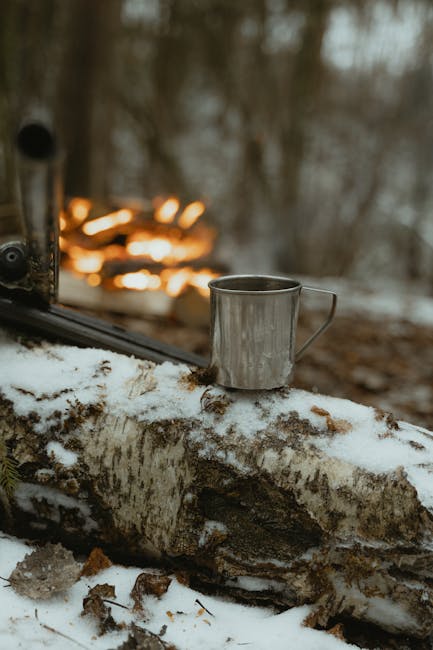
Mastering Urban Survival: Essential Skills for Modern Preppers
In today’s unpredictable world, mastering urban survival skills is more crucial than ever. With increasing concerns about natural disasters, economic instability, and other emergencies, knowing how to sustain oneself in an urban environment becomes invaluable. This article delves into essential skills and strategies every urban prepper should master to ensure safety, self-sufficiency, and resilience.
Understanding Urban Survival
Urban survival refers to the ability to endure and adapt in a city landscape during emergencies or disasters. Unlike rural settings where nature provides resources, urban environments require different strategies and skills. The dense population, infrastructure, and available resources dictate how one should prepare and respond to survive.
Key Skills for Urban Preppers
Resource Management
Effective resource management is pivotal in urban survival. Learn to identify and utilize resources wisely, including water, food, and energy. Securing a sustainable water supply, such as through rainwater harvesting or water purification techniques, should be a priority.
Food Security
Urban agriculture and food storage are critical components of food security. Explore options like vertical gardening and hydroponics to grow food even when space is limited. Moreover, understand the basics of food preservation techniques such as canning, dehydration, and freezing to keep a nutritious supply at hand.
Personal Safety and Self-Defense
Personal safety is a significant concern in densely populated areas. Urban preppers should have a fundamental knowledge of self-defense techniques and situational awareness to protect themselves and their loved ones. Additionally, carrying items like pepper spray or a taser can help deter potential threats.
Emergency Medical Skills
Injuries can happen unexpectedly, especially in the chaos of a disaster scenario. Being proficient in basic first aid and CPR can be lifesaving. Consider enrolling in emergency response training programs to enhance these skills.
Strategic Planning and Preparedness
Creating a Bug-out Bag
A bug-out bag is an essential kit that contains all critical supplies needed to survive for the first 72 hours after a disaster. This kit should include water, non-perishable food, first aid supplies, a multi-tool, personal hygiene items, and copies of important documents.
Developing Emergency Plans
Have an actionable emergency plan that includes evacuation routes, meeting points, and contacts. Regularly review and practice this plan with all family members. Knowing what to do and where to go can significantly reduce panic and confusion during real disasters.
Utilizing Technology and Information
Staying Informed
Keep abreast of the latest news and updates regarding potential threats like extreme weather conditions, outbreaks, or other localised crises. Apps and online services can offer real-time information that is crucial in planning your response.
Leveraging Tech Tools
In a tech-driven world, various apps and devices can dramatically enhance urban survival preparedness. GPS navigation, emergency alert apps, and survival eBooks are just some tools that should be in every urban prepper’s arsenal.
Building a Supportive Community
Survival often depends on the community strength and cooperation among its members. Work to build relationships with neighbors and local authorities. Share skills, resources, and information to enhance collective preparedness and resilience.
Community Training and Workshops
Engage in community training sessions or workshops that focus on survival skills, emergency preparedness, and first aid. These programs not only improve personal skills but also foster a sense of community solidarity.
Conclusion: Thriving in an Urban Jungle
Mastering urban survival is an ongoing process that demands attention, preparation, and proactive learning. By acquiring the necessary skills, preparing strategically, and cultivating a supportive community network, modern urban preppers can significantly increase their chances of survival in any crisis. Begin by assessing your current preparedness level, identify areas for improvement, and take actionable steps towards becoming more resilient. Remember, in the world of urban survival, being prepared is not just a choice—it’s a necessity.