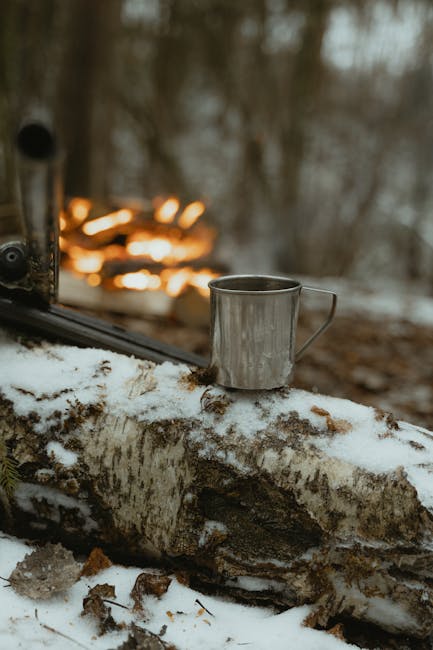
Mastering the Wilderness: Strategies for Developing a Resilient Survival Mindset
The wilderness offers a unique blend of beauty and challenge, with unpredictable elements that demand resilience, preparation, and a survival mindset. Whether you are an enthusiastic hiker, a camping aficionado, or an adventurer at heart, knowing how to mentally and physically prepare for the wild can turn potential perils into a rewarding experience. This article explores essential strategies for developing a resilient survival mindset that helps you thrive in the great outdoors.
Understanding the Importance of a Survival Mindset
At the core of any successful wilderness adventure is the survival mindset. This mindset is not just about surviving in the face of adversity but also about thriving through preparation and mental toughness. It involves a proactive approach to learning essential survival skills, adapting quickly to changing environments, and maintaining a calm, positive outlook despite challenges.
Cultivating Mental Resilience
Mental resilience is key in unpredictable conditions. Training your mind to handle stress, fear, and uncertainty can significantly alter your response to emergencies. Techniques like mindful meditation, scenario planning, and stress inoculation training are useful tools. By regularly practicing these techniques, adventurers can enhance their mental endurance and develop the ability to make clear, calculated decisions under pressure.
Scenario Planning
Scenario planning involves thinking through potential emergencies and envisioning rational responses. For instance, if you were to get lost without GPS, how would you navigate using natural landmarks or a compass? Preparing for such scenarios instills confidence and reduces panic when faced with the actual situation.
Stress Inoculation Training
Stress inoculation is a psychological technique where you gradually expose yourself to stressors to build tolerance. Start with controlled environments, such as staying overnight in lightly forested areas before venturing into more secluded spots. This method helps in handling larger stressors, making it easier to remain calm during real emergencies.
Acquiring Survival Skills
Your survival heavily depends on your skills and knowledge. Key areas include:
- Basic First Aid: Understanding how to treat injuries can make a crucial difference in survival situations.
- Shelter Building: Learn how to use natural materials to construct a shelter that can protect you from harsh weather.
- Fire Starting: Knowing multiple methods to start a fire without matches is a vital skill for warmth and food preparation.
- Water Procurement: Finding and purifying water is essential, as dehydration can quickly become a serious threat.
- Food Foraging: Identifying edible and medicinal plants adds a sustainable food source when supplies run low.
Enhancing Skillset Through Continuous Learning
Invest in quality survival training courses, read survival literature, and practice regularly. Experiment with different environments to adapt skills across various situations. Online platforms and community workshops can also be excellent resources for learning and improvement.
Equipping Properly
Selecting the right equipment is just as important as developing skills and resilience. While your gear will vary depending on the region and duration of your trip, some essentials remain constant:
- Reliable Navigation Tools: A GPS device, a detailed map, and a compass are indispensable for reliable navigation.
- Multi-Purpose Tools: A Swiss army knife or a multi-tool can be invaluable in many situations.
- All-Weather Clothing: Prepare for all weather conditions with layered clothing and waterproof gear.
- Emergency Kit: Always carry a basic kit including a whistle, flashlight, emergency blankets, and signaling devices.
Packing Smart
While it’s tempting to overpack, efficient packing involves prioritizing based on needs and potential risks. Customize your backpack based on terrain, climate, and the nature of your expedition.
Staying Positive and Proactive
Maintaining a positive outlook is crucial, especially in challenging situations where morale can impact decision-making and endurance. Celebrating small victories, maintaining a sense of humor, and keeping an optimistic but realistic attitude can boost your mental state tremendously.
Community and Support
Don’t underestimate the value of a supportive community. Engaging with fellow outdoor enthusiasts can provide not only camaraderie but also exchange of knowledge and experiences that enhance your survival skills.
Conclusion
Mastering the wilderness begins with developing a resilient survival mindset. By cultivating mental resilience, acquiring essential survival skills, equipping appropriately, and maintaining a positive outlook, you prepare yourself not just to survive, but to enjoy and learn from every wilderness experience. Remember, preparation is key, and every adventure provides a new opportunity to enhance your skills and resilience.
Keep exploring, stay safe, and embrace the challenges of the great outdoors with confidence!