Mastering the Wilderness: Essential Survival Techniques
Embarking on an adventure into the great outdoors can be a transformative experience. Whether you’re planning a short hiking trip or a prolonged stay in the wilderness, understanding essential survival techniques is crucial. In this comprehensive guide, we’ll explore vital skills, answer common questions, and provide actionable advice to ensure you stay safe and enjoy your time reconnecting with nature.
Understanding Basic Survival Priorities
In any survival situation, remembering the core principles of survival can be lifesaving. These are shelter, water, fire, and food. Ensuring you have a safe place to rest, access to clean water, a method to keep warm, and sufficient nutrition are your top priorities. Each element plays a pivotal role in survival, and understanding the techniques to secure these necessities is indispensable.
Constructing Adequate Shelter
Shelter is your first line of defense against the elements. It keeps you warm, dry, and safe from wildlife. The type of shelter you build will depend on your environment and available resources. A basic lean-to, made from branches and leaves, can offer protection in many situations. For snowy conditions, an igloo or snow trench may be necessary. Prioritize a location that’s dry, flat, and away from potential hazards like dead trees or insect nests.
Finding and Purifying Water
Water is critical for survival, but it must be clean to avoid illness. If you come across a running stream or river, it’s generally your best option. However, always purify water using boiling, chemical purification tablets, or a water filter. Collecting rainwater or making a solar still are effective techniques if water sources are not readily available.
Creating a Fire
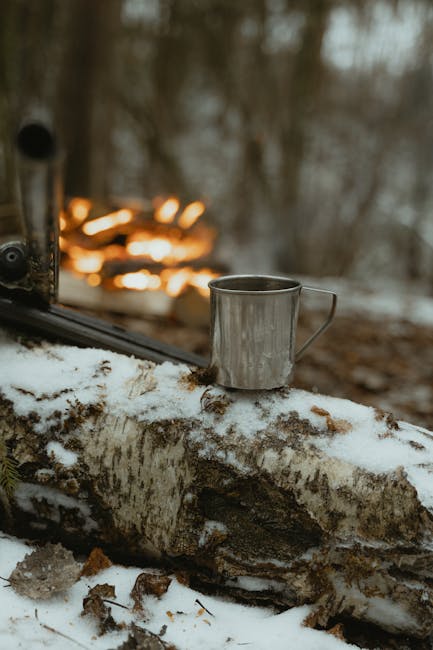
Fire serves multiple survival needs: warmth, the ability to cook food, and the capability to signal for help. Familiarize yourself with various methods of fire-starting, like using a flint, batteries with steel wool, or the traditional friction method using wood. Always gather a substantial amount of kindling and wood to keep the fire going throughout the night.
Procuring and Preparing Food
While you can survive longer without food than without water, securing sustenance is still vital. Knowledge of local flora and fauna is essential to identify edible plants and sources of protein. Learning basic hunting and trapping skills can provide necessary nutrients, and understanding which plants are safe to eat can be a game-changer.
Essential Wilderness Survival Skills
Mastering certain survival skills can radically increase your chances of thriving in tough conditions. Here are a few to consider:
Navigation Skills
Getting lost is a common concern in the wilderness. Understanding how to read a compass and map is fundamental. In today’s digital age, GPS devices are invaluable, but they can fail. Learning how to navigate using the sun, stars, and natural landmarks is also beneficial.
First Aid Basics
An understanding of basic first aid is crucial. Knowing how to treat minor injuries, manage hypothermia, or what to do in case of an animal bite can save lives. Always pack a well-equipped first aid kit and consider taking a wilderness first aid course.
Signal for Help
In case of an emergency, knowing how to signal for help can facilitate a quicker rescue. This can involve using mirrors, creating smoke signals with your fire, or using an emergency whistle. Always inform someone of your travel plans and expected return before heading out.
Common Questions about Wilderness Survival
What are the most important survival items to carry?
A good survival kit includes a knife, water purification tools, a fire starter, a map and compass, a durable flashlight, a first aid kit, and emergency shelter material like a space blanket. Each of these items can be a lifeline in different survival scenarios.
How do you stay safe from wildlife?
Understanding the wildlife in the area you’re exploring is crucial. Store food properly to avoid attracting animals, keep your campsite clean, and learn about the behavior of local predators. In many cases, animals avoid humans, but knowing how to react if you encounter a wild animal is important for your safety.
Can you eat any plant in the wilderness?
No. Many plants are toxic and can lead to severe illness or death. Educate yourself about the botanical species in the area you’ll be visiting. Avoid plants with milky sap, three-leaved growth patterns, or those that have a bitter or soapy taste. When in doubt, it’s safer to abstain from consuming unknown plants.
Conclusion
Mastering wilderness survival techniques offers not only a safety net but also a profound way to connect with nature. By preparing yourself with knowledge and skills, you can embrace the challenges and rewards of the great outdoors. Remember, preparation is key—equip yourself with the right skills, carry essential equipment, and respect your environment. Safe travels as you master the art of wilderness survival!