Mastering the Wilderness: Essential Survival Skills for Thriving in the Forest
Exploring the deep, uncharted woods can be incredibly thrilling. Yet, venturing into these serene yet daunting expanses without the right skills can lead to trouble. Gaining mastery over essential survival skills is crucial before you decide to tackle the wilderness. Here’s how you can boost your forest survival abilities, stay safe, and enjoy your interaction with nature to its fullest.
Understanding Your Environment
The first step in mastering forest survival skills is understanding the specific environment you’ll be navigating. Different forests — tropical, deciduous, or coniferous — pose unique challenges and resources. Research the flora and fauna specific to the region to anticipate the conditions you’ll encounter, such as potential dangerous wildlife and edible plants.
Weather Patterns and Terrain
The ability to anticipate and react to changing weather conditions is vital. Learn how to read topographic maps and use a compass. Familiarize yourself with the terrain by reviewing satellite imagery if possible. This knowledge can guide your route planning and help you avoid areas that might become impassable due to weather changes.
Basic Survival Skills
Surviving in the forest requires a well-rounded skill set, from building shelters to finding food. Below are vital skills every adventurer should learn:
Building a Shelter
Whether you’re caught in a storm or setting up a base for the night, knowing how to build a shelter is essential. A good shelter protects you from harsh weather conditions and can prevent hypothermia. Practice building different types of shelters such as lean-tos, A-frames, and debris huts.
Finding and Purifying Water
Water is your most critical resource in the forest. Learn techniques to collect water such as using transpiration bags or digging a water still. Always purify collected water either by boiling, using chemical purifiers like iodine tablets, or a portable filtration system.
Fire Creation and Management
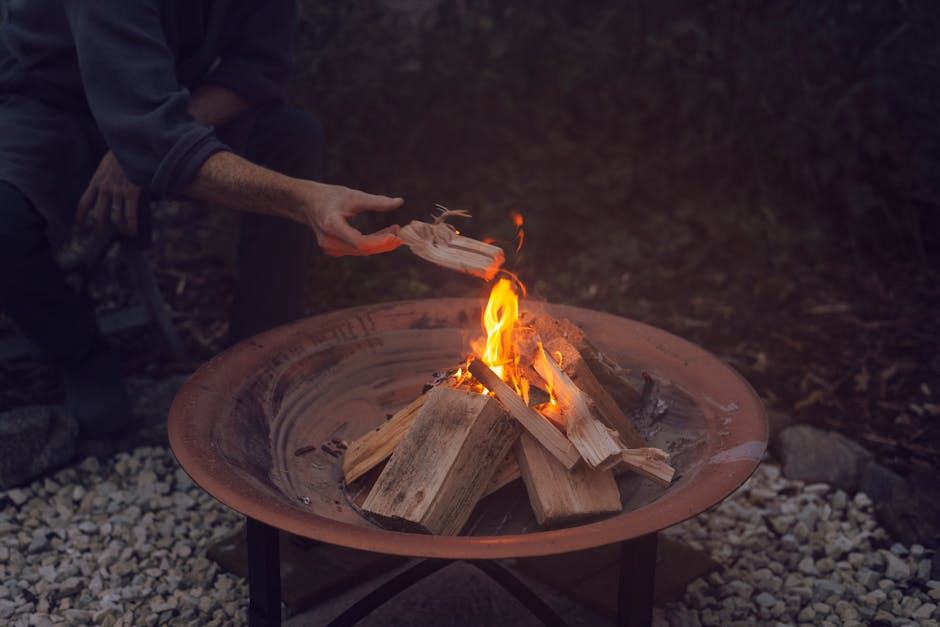
Mastering the art of fire making is a hallmark of forest survival. Fire not only provides warmth and a means to cook food but also a morale booster. Learn traditional and modern fire-making techniques, including flint strikers, bow drills, and the use of fire steel.
Forage for Food
Identifying edible plants, insects, and safe-to-eat mushrooms can increase your chances of survival. Understanding the basics of trapping and hunting can also be beneficial if you’re stranded for an extended period. However, always prioritize preparation and safety to avoid poisonous plants or dangerous animals.
Navigation and Rescue
Navigating through dense forest can be intimidating and confusing. Equip yourself with both a physical map and a GPS device if possible. Learning to identify landmarks and natural navigational aids is invaluable.
Signaling for Help
Knowing how to signal for help can make the difference between life and death. Simple signals like smoke signals, mirrors to reflect sunlight, or creating loud noises can attract the attention of rescuers. Always carry a whistle and a reflective object whenever you’re headed into the forest.
Preparation and Precautionary Measures
Preparation is half the battle when it comes to forest survival. Here are essential steps to prepare:
Essential Gear Checklist
Equip yourself with a reliable survival kit that includes items such as a knife, a multi-tool, water purification systems, a fire starter, an emergency blanket, and a first aid kit. Pack according to the duration and severity of the trip.
Inform Someone of Your Plans
Always inform a close contact about your travel plans and expected return. This simple step can significantly increase your chances of being found if you get lost.
Staying Safe and Healthy
Lastly, your physical and mental health plays a crucial role in surviving and thriving in the wilderness. Manage your energy and keep a positive outlook, as mental resilience often dictates your ability to handle survival situations effectively.
Takeaway
Mastering wilderness survival is an ongoing process that combines knowledge, skill, and attitude. By embracing these survival skills and placing an emphasis on thorough preparation, anyone can enjoy the profound beauties of forest adventures while staying safe. Remember, the forest rewards the respectful and the prepared, so nurture your skills and respect your environment.