
Mastering the Wilderness: Essential Survival Skills for the Modern Explorer
As modern life becomes increasingly digital and urban, the lure of the wilderness continues to attract those yearning for adventure and a connection to nature. However, venturing into wild terrains requires preparation, knowledge, and skills to ensure safety and enjoyment. In this guide, we explore essential survival skills for the contemporary wilderness explorer, covering everything from basic survival techniques to advanced navigation and emergency preparedness.
Understanding the Basics of Wilderness Survival
Before you set foot in the backcountry, familiarizing yourself with the basic principles of survival is crucial. These include the “Rule of Threes” which posits that you can survive three minutes without air, three hours without shelter in extreme conditions, three days without water, and three weeks without food. Understanding these priorities can help you manage your resources and efforts effectively when faced with a survival situation.
Creating Shelter
Shelter is your first line of defense against the elements, helping to maintain body heat and offer protection from the wind, rain, and sun. Learning to build a shelter from natural materials like branches, leaves, and snow is a fundamental wilderness skill. There are several types of shelters to consider, such as the lean-to, the debris hut, or even a snow cave, depending on the environment and available resources.
Fire Building Techniques
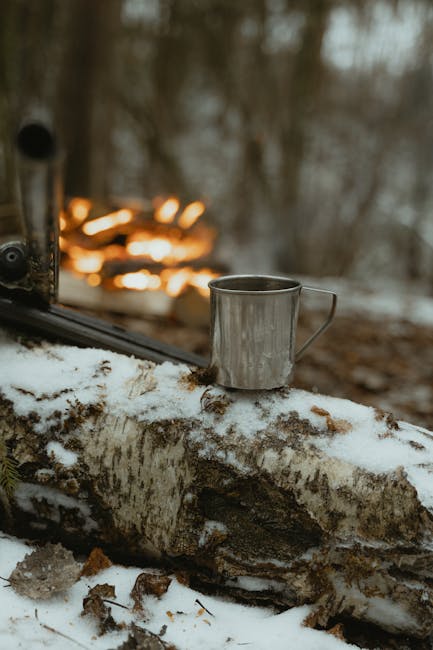
Mastering fire creation is a life-saving wilderness skill. Fire provides warmth, light, and comfort, and it can be used to purify water, cook food, and signal for help. Essential techniques include the traditional friction-based methods, using a flint striker, and modern approaches like solar-powered lighters. Always carry multiple fire-starting tools and know how to gather and prepare dry tinder and kindling.
Navigating the Wild
Getting lost in an unfamiliar wilderness can be daunting and dangerous. Understanding basic navigation skills is essential for any explorer.
Map and Compass Basics
The ability to read topographic maps and use a compass is invaluable when traversing unknown terrains. Practice these skills in controlled environments before your trip. Additionally, consider carrying a GPS device as a supplementary tool, but do not rely solely on electronic devices, as they can fail or lose power.
Using Natural Navigation
- Sun Position: The sun rises in the east and sets in the west, which can guide your general direction during the day.
- Stars: Learning basic celestial navigation, such as locating the North Star (Polaris) in the Northern Hemisphere, can be a helpful nighttime navigation aid.
- Landmarks: Use distinctive landmarks to navigate and prevent circling back to the same location.
Handling Medical Emergencies
Knowledge of first aid and managing outdoor health emergencies is pivotal. From treating cuts and bruises to handling possible venomous bites or hypothermia, being prepared with both knowledge and a well-equipped first aid kit is a necessity.
First Aid Basics
Enroll in a basic wilderness first aid course to get hands-on experience in dealing with common injuries and health issues in wild settings. This could include how to bandage wounds, splint broken limbs, and perform CPR.
Emergency Kits
Carry a comprehensive first aid kit tailored to the nature and duration of your trip. Check the contents regularly and replenish any used or expired items. Your kit should include bandages, antiseptics, pain relievers, allergy medications, and tools like tweezers and scissors.
Acquiring Food and Water
In a survival scenario, securing water and food becomes a top priority after establishing shelter and warmth.
Safe Water Sources
Waterborne pathogens can cause severe illnesses. Always treat natural water using a reliable method, such as boiling, using chemical purifiers, or a filtration system. Remember, staying hydrated is more crucial than eating in the short term.
Foraging and Hunting
Gaining knowledge about local flora and fauna can provide sustenance in the wilderness. Identifying edible plants, nuts, and berries can be a viable food source. For longer survival situations, skills in setting snares or fishing can be vital. Always ensure you comply with local wildlife and conservation laws.
Preparing for Your Wilderness Adventure
Proper planning and preparation can prevent many problems adventurers face in the wild. Here are some final tips for your preparation:
- Inform Someone: Always let someone know your itinerary and expected return time.
- Check Weather: Be aware of weather conditions and forecasts before and during your trip to adjust plans as necessary.
- Pack Smart: Prepare a packing list tailored to the environment, duration, and demands of your trip, focusing on multipurpose gear to reduce weight.
By mastering these essential wilderness survival skills, today’s modern explorer can safely embrace the beauty and challenge of the natural world. Whether you’re planning a short hike or a prolonged expedition, these skills will ensure you are prepared to face any situation encountered in the wild with confidence and competence.





