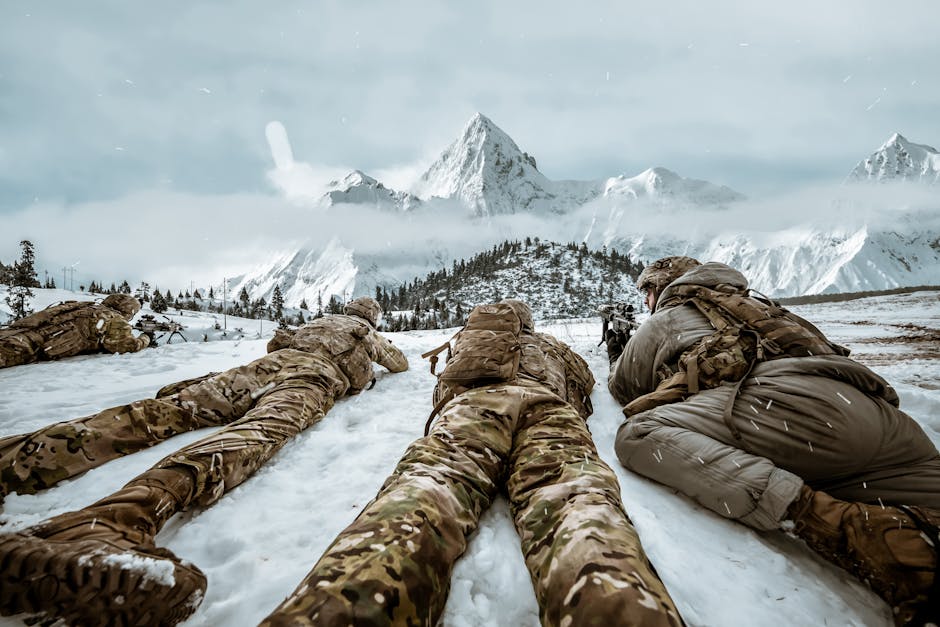
Mastering the Wilderness: Essential Survival Skills for the Modern Adventurer
The call of the wild is irresistible to the modern adventurer. With the vast expanses of natural beauty waiting to be explored, it is crucial to equip oneself with essential wilderness survival skills. Whether you’re planning a trek in the mountains, a venture into the forests, or an exploration of remote waterways, knowing how to survive in the wild could literally mean the difference between life and death.
Understanding Basic Wilderness Survival Principles
Survival in the wilderness begins with understanding the basic principles that govern human needs in extreme conditions. At its core, survival depends on maintaining your body’s core temperature, staying hydrated, and finding food and shelter. This section helps you grasp the fundamental skills needed to meet these needs.
Regulating Body Temperature
Maintaining a proper body temperature is paramount in the wilderness. Hypothermia and heatstroke can turn a survival situation deadly in just a few hours. Key strategies include:
- Layering: Wear clothes in layers that can be added or removed as temperatures change.
- Insulation: Use materials like dry leaves or grass to insulate clothing and makeshift shelters to retain body heat.
- Fire-Making: Mastery of making and maintaining a fire for warmth, cooking, and signaling is a life-saving skill.
Securing Water and Food
Water is more critical than food in the immediate term. Knowing how to locate, purify, and store water is crucial:
- Water Sources: Identify natural water sources like streams, lakes, or dew. Always purify water using boiling, chemical treatments, or filtration systems.
- Foraging and Hunting: Learn to identify edible plants, insects, and basic trapping or fishing techniques to secure food if prolonged survival becomes necessary.
Navigating the Great Outdoors
Getting lost without a way to find your way back is a common fear in the wilderness. This section covers essential navigation tools and techniques.
Map and Compass Skills
Despite the prevalence of GPS technology, the ability to use a map and compass remains a valuable skill, particularly if electronic devices fail due to low battery or poor signal.
Natural Navigation
In addition to traditional tools, you can also use environmental cues. The sun typically rises in the east and sets in the west, and observing the moss on trees can tell you which direction is north in the northern hemisphere.
Creating Emergency Shelters
Your ability to create an emergency shelter can protect you from harsh weather conditions and improve your chances of survival. Familiarize yourself with various types of shelters:
- Lean-to Shelter: Easy to build with branches and foliage to protect against wind and rain.
- Snow Cave: For snowy environments, a snow cave can use the insulating properties of snow to maintain warmth.
Signaling for Help
Knowing how to signal for help is essential if you’re lost or injured. Here are some ways to make your presence known to rescuers:
- Visual Signals: Use mirrors, brightly colored fabric, or make large symbols on the ground that can be seen from the air.
- Auditory Signals: Whistles, shouting, or banging rocks together can attract the attention of nearby rescuers.
Frequently Asked Questions
What are the most important survival tools to carry?
A good knife, a means to make fire, a water purification method, a whistle, and a compass are essential tools no adventurer should be without.
How often should I practice survival skills?
Regular practice is key to ensuring your survival skills remain sharp. Try to integrate these skills into your regular outdoor activities for hands-on experience.
Is it safe to drink water from a stream?
While fresh mountain streams often appear clean, it’s best to purify any water from natural sources to avoid pathogens that could cause illnesses.
Conclusion: Preparing For Your Wilderness Adventure
Mastering these essential survival skills empowers you to face the challenges of the wilderness with confidence. Preparation, practice, and continuous learning are your best tools for ensuring you enjoy and return safely from your wild adventures. Remember, the wilderness offers not only trials but profound beauty and a deep sense of connection with nature.
Equipping yourself with the knowledge and skills to survive is not just about safety—it’s about becoming a responsible and capable adventurer. So, take the time to prepare, and the wild will welcome you again and again.
Now that you are armed with crucial survival knowledge, your next wilderness adventure awaits—go forth and explore with confidence and respect for the natural world!