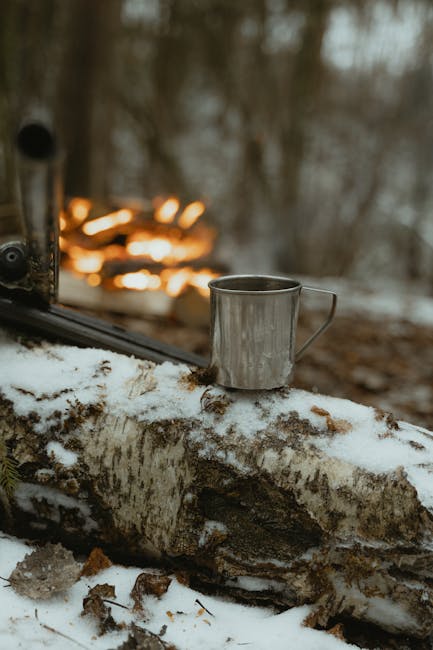
Mastering the Wild: Essential Techniques for Ultimate Survival
In the face of the raw forces of nature, mastering survival skills is not just about ensuring safety, but also about developing a profound connection with the environment. This guide delves into essential survival techniques that are critical for anyone looking to navigate and endure the wilderness effectively. From finding water to creating shelters, every tip shared will optimize your readiness and confidence in tackling outdoor challenges.
The Importance of Survival Skills
Anyone may find themselves in a survival situation, be it hikers, campers, or unexpected disasters. Understanding basic survival skills can mean the difference between life and death. Moreover, these skills empower you to enjoy more immersive outdoor experiences safely and sustainably.
Finding and Purifying Water
Water is the lifeline in survival scenarios. Humans can survive weeks without food but only a few days without water. It’s crucial to not only find water but ensure it’s safe for consumption.
- Locating Water: In landscapes with visible vegetation, water sources like streams or rivers are usually nearby. In arid areas, morning dew or digging in dry riverbeds can be vital.
- Purification Methods: Boiling is one of the most effective ways to purify water. Portable filters and chemical purification are also reliable alternatives.
Building a Shelter
Shelter is your first line of defense against the elements. Whether it’s protection from extreme temperatures or wild animals, constructing a reliable shelter is crucial.
- Location: Choose a dry, flat area away from natural hazards. Considerations of the wind direction and sun exposure are vital.
- Types of Shelters: Techniques vary from leaning branches against a downed tree to creating debris huts or snow caves depending on the environment.
Fire Starting Techniques
Fire serves multiple survival needs: warmth, water purification, cooking, and emergency signals. Mastering fire-starting techniques is a cornerstone of outdoor survival.
- Friction-Based Fire Starting: Tools like the bow drill or hand drill use friction to ignite tinder.
- Modern Aids: Waterproof matches, lighters, and magnesium fire starters provide more reliability under varied conditions.
Finding Food in the Wilderness
Nutrition is essential for maintaining energy and health in survival situations. Knowing safe, edible plants and effective hunting or fishing techniques is indispensable.
- Foraging: Identifying edible plants, nuts, and berries can provide necessary nutrients. However, it’s crucial to have knowledge about the local flora to avoid toxic plants.
- Hunting and Trapping: Simple snares or hunting with makeshift spears or bows can secure meat, which is a vital protein source.
Navigation Skills
Getting lost can turn an adventure stressful quickly. Basic navigation tools and skills can help you find your way and ensure you can explore with confidence.
- Using a Compass: Understand how to read a compass in conjunction with a map. Learn about magnetic north and true north.
- Natural Indicators: The position of the sun, moss growth on trees, and stars are all natural guides that can help orientate your direction.
First Aid and Self-Care
Injuries need to be managed immediately in the wilderness to prevent complications. A well-equipped first aid kit and knowledge of basic first aid techniques are imperative.
- First Aid Basics: Know how to treat cuts, burns, and bites. Understanding signs of hypothermia and heatstroke are also crucial.
- Mental Resilience: Survival is as much a mental challenge as a physical one. Stay calm, think clearly, and make judicious decisions.
Emergency Preparedness
Always plan for the worst-case scenario. This includes both the knowledge and physical necessities to deal with unexpected situations.
- Survival Kits: Equip a compact, portable bag with essentials: water, food rations, first-aid kit, multi-tool, emergency blanket, and signaling devices.
- Informing Others: Always let someone know about your travel plans and expected return to aid in rescue operations if necessary.
Conclusion
Mastery over these survival techniques equips outdoor enthusiasts with the skills necessary to turn potential dangers into manageable situations. Whether you’re a seasoned adventurer or a novice, understanding and practicing these skills will significantly enhance your ability to enjoy and thrive in the wilderness safely.
Remember, the key to mastering the wild is preparation, knowledge, and respect for nature. Equip yourself with these survival techniques, and embrace the beauty and challenge of the great outdoors with confidence.