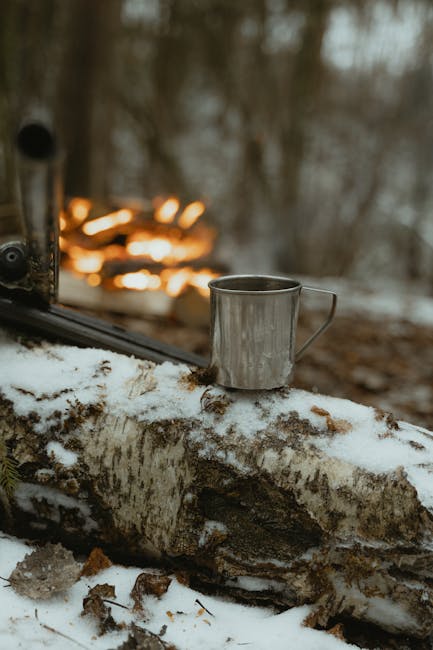
Mastering the Wild: Essential Survival Techniques for the Unpredictable Outdoors
Exploring the great outdoors is an exhilarating experience, drawing adventurers to witness the untouched and raw beauty of nature. However, the wilderness can also be unforgiving and unpredictable. Knowing essential survival techniques is crucial for anyone venturing into remote areas. This comprehensive guide covers fundamental survival skills, answers common questions, and offers valuable tips to keep you safe while exploring the wild.
Understanding the Basics of Wilderness Survival
Survival in the outdoors begins with a solid understanding of the basics. Key elements include finding water, securing shelter, making fire, and sourcing food. Mastering these core pillars can significantly increase your chances of surviving in harsh conditions.
Water: The Essential Element of Life
Your first priority should always be to locate a clean water source. The human body can only last three to five days without water. Streams, rivers, and lakes are obvious sources, but you can also collect rainwater or create condensation traps. Always purify water from natural sources to avoid pathogens. Boiling, chemical treatments, or filtering can make water safe for consumption.
Shelter: Protecting Yourself from the Elements
Exposure to extreme elements can be life-threatening. Crafting a shelter is pivotal to regulate body temperature and safeguard against weather hazards. Use natural materials such as branches and leaves, or carry a lightweight tent or emergency bivy in your backpack. Your shelter should be stable enough to withstand wind and insulated enough to retain body heat.
Fire: The Multifunctional Survivor’s Tool
Fire is not only a source of warmth; it also purifies water, cooks food, and signals for help. Familiarize yourself with various methods of fire-starting, including flint strikers, matches, or friction-based techniques like the bow drill method. Always carry a reliable fire-starting kit.
Food: Sustaining Energy in the Wild
While humans can survive weeks without food, caloric intake is vital for maintaining energy levels and mental alertness. Learn basic foraging skills to identify non-toxic berries, nuts, and plants. Fishing and setting snares can also provide protein. Always be cautious about plant and animal consumption to avoid poisoning and diseases.
Navigating Through the Wilderness
Getting lost without a clear sense of direction can be a terrifying and daunting experience. Effective navigation can prevent this scenario.
Using a Map and Compass
Always carry a physical map and compass when venturing into unfamiliar territory. Even if you prefer a GPS device, these traditional tools do not rely on battery power and can be invaluable in technology-failing scenarios. Learn to read topographical maps and align your compass for accurate navigation.
Understanding Natural Navigation
In cases without compass or map, the natural environment provides navigational aids. Observing the position of the sun, understanding river flow directions, and using the stars for guidance after dark can help maintain your bearing.
First Aid: Handling Medical Emergencies
Accidents can happen, and medical issues can escalate quickly without immediate care in the wilderness. A well-prepared first aid kit should be a staple in your gear. Include items sufficient for treating cuts, burns, bites, and other common injuries. Educational courses in wilderness first aid can also equip you with crucial skills to tackle more severe medical situations effectively.
Wildlife Encounters: Safety and Prevention
Encounters with wildlife can be both awe-inspiring and dangerous. Education about local wildlife and understanding behavior patterns are your best preventative measures. Know how to store food properly to avoid attracting animals, and learn how to behave if you encounter predators. Bear sprays and noise-makers can be effective deterrents.
Be Prepared: Essential Packing Tips
Your survival greatly depends on your preparation and the contents of your backpack. Essential items include:
- Water and a reliable purification method
- Durable, weather-appropriate clothing and gear
- Adequate food supplies and basic cooking utensils
- First aid kit and emergency medications
- Navigation tools like a compass and maps
- Multi-purpose tools or a Swiss Army knife
Survival Skills Training and Resources
To truly master survival techniques, consider undertaking formal survival skills training. Many organizations offer courses that range from basic to advanced skills. These courses not only provide practical hands-on experience but also deepen your understanding of the theoretical aspects of survival.
Additional resources such as books, online tutorials, and community workshops can also enhance your knowledge and preparedness. The more skilled and prepared you are, the safer and more enjoyable your wilderness adventures will be.
Conclusion
Mastering essential survival techniques is imperative for anyone exploring the unpredictable outdoors. By understanding and implementing these core survival skills, navigational tricks, and safety measures, you ensure that your adventures in the wild are not only thrilling but also safe. Remember, the best survival tool is always a well-prepared mind.
Equipped with this knowledge, you are ready to tackle the challenges of the wild, appreciate its vast beauty, and return safely from every adventure.