Mastering the Wild: Essential Survival Techniques for the Unforgiving Outdoors
Navigating the challenges of the great outdoors demands not only a spirited sense of adventure but also an array of essential survival techniques. Whether you’re venturing into the woods for an overnight camping trip or embarking on a rugged backcountry expedition, understanding the foundational aspects of outdoor survival is crucial. This article delves into several critical skills you need to master for a safe and rewarding outdoor experience.
Understanding Basic Survival Priorities
Before embarking on any outdoor adventure, recognizing your basic survival priorities is essential. These include securing shelter, managing hydration, maintaining body temperature, and ensuring adequate nutrition. Effective management of these four pillars can significantly increase your chances of a successful outing in the wilderness.
1. Creating a Reliable Shelter
Your survival shelter should be a top priority, especially in harsh weather conditions. A good shelter protects you from the elements and can help maintain your body heat. When choosing a spot, look for natural protection such as overhanging cliffs or dense trees. Make use of available resources such as branches, leaves, and even snow, depending on the environment.
2. Ensuring Water Availability
Water is perhaps the most critical of all survival needs, as dehydration can quickly incapacitate a person. Always carry a map and be aware of water sources along your route. Techniques such as collecting rainwater, purifying stream water with tablets, or using solar stills can be lifesaving. Portable water filters or purification tablets are essential gear for any outdoor activity.
3. Managing Fire and Body Temperature
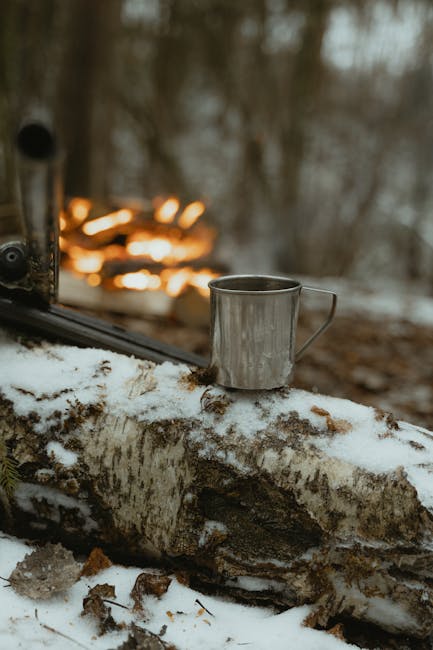
Mastering the art of fire-making is a paramount survival skill. A fire serves multiple purposes: it can keep you warm, cook food, purify water, and signal for help. Always carry a means to start a fire, such as a lighter or waterproof matches, and gather ample dry tinder and firewood.
4. Nutrition in the Wilderness
While your body can survive longer without food than it can without water, securing a source of calories is important for maintaining energy. Understand the natural sources of food that your environment offers. This could include fishing, identifying edible plants, or setting snares for small game, depending on local wildlife regulations and ethics.
Navigating and Orientation Skills
Getting lost is a significant risk in outdoor environments. Navigational skills are vital for both prevention and resolution of this scenario. Carry a GPS device, a physical map, and a compass. Learn how to use them effectively to navigate through unfamiliar terrain.
5. Map and Compass Basics
Understanding how to read topographic maps and navigate with a compass are invaluable skills. Practicing these skills in controlled environments can boost your confidence and precision in real scenarios.
6. Using Modern GPS Technology
While traditional map and compass navigation are essential, modern technology offers advanced tools like GPS devices and apps that provide real-time geographic data, enhancing your navigation capabilities significantly. Ensure these devices are charged and if possible, bring portable solar chargers.
Critical First Aid Tips
Injuries, whether minor or severe, are a real risk outdoors. A well-prepared first-aid kit should accompany any outdoor excursion, complemented by some basic first-aid knowledge.
7. Handling Common Injuries
Learn how to treat common injuries like cuts, burns, and sprains. Techniques such as how to clean a wound, create a splint, or cover a burn are essential. Consider taking a basic wilderness first aid course to enhance your skills.
8. Dealing with Wildlife
Encounters with wildlife can be dangerous. Understanding the behavior of local wildlife and learning how to handle animal encounters peacefully can prevent injuries. Bear sprays and knowing how to store food properly in bear country are practical defensive measures.
Survival Gear Essentials
The right gear can make a significant difference in survival situations. It’s essential to equip yourself with reliable, tested equipment suited for the specific environment.
9. Choosing the Right Gear
Invest in high-quality gear tailored to your activity. This includes a sturdy backpack, a durable tent, appropriate clothing for weather conditions, a robust knife, and a reliable means of communication like a satellite phone.
Conclusion: Preparation Meets Opportunity
Survival in the wild is about preparation meeting opportunity. Enhance your outdoor experience by learning and practicing essential survival techniques. Remember, the key to mastering the wild is respect for nature and preparation for its unpredictability. Equip, educate, and empower yourself to embrace the adventures that await while maintaining safety as your top priority.
By understanding and integrating these survival techniques into your planning, you’re not just preparing for the unknown; you’re ensuring a safer, more enjoyable outdoor adventure.