Mastering the Wild: Essential Survival Skills for Thriving in the Forest
Embarking on a forest adventure can be exciting and enriching, provided you possess the necessary survival skills to safely navigate and thrive in the wilderness. Whether you plan to hike, camp, or undertake a more extended expedition, knowing how to support yourself in the forest environment is crucial. This article explores essential survival skills, ranging from finding shelter and water to understanding basic first aid, to ensure your forest adventures are both safe and enjoyable.
Understanding the Environment: The Key to Forest Survival
Forests can vary greatly in terms of climate, wildlife, and available resources. From the rainforests of the Amazon to the taiga of Siberia, each type requires specific knowledge and preparation. Understanding the specific types of wildlife you might encounter, climate conditions, and the types of vegetation can significantly enhance your ability to adapt and survive. Researching and preparing for the specific environment you will be exploring is a critical first step.
Securing Shelter: Your First Survival Task
One of the first priorities in wilderness survival is creating a shelter that can protect you from the elements and help maintain your body heat. In forested areas, materials such as fallen branches, leaves, and moss can be used effectively.
- Lean-to Shelter: Use a long branch to create a spine for your shelter and lean smaller branches against it, then layer with leaves and moss for insulation and waterproofing.
- Debris Hut: Create a frame with sturdy branches and cover it entirely with forest debris, ensuring thick layers to protect against the cold and rain.
Location is equally important when setting up camp. Avoid valleys and riverbeds where water may collect, and try to stay away from insect breeding grounds. Always consider the safety aspect by staying clear of potential falling rocks or unstable terrain.
Finding Water: Staying Hydrated in the Wild
Water is crucial for survival but finding it in the forest can be a challenge. Knowing how to locate and purify water is essential:
- Look for Streams and Rivers: These are the most obvious sources of water, but always purify the water before drinking to avoid waterborne diseases.
- Collect Rainwater: Use tarps, leaves, or any clean, wide surface to collect rain.
- Water Vines: Certain types of vines can provide clean, drinkable water. Make a cut and collect the dripping liquid.
Always boil water if possible, as this is one of the safest ways to ensure it is safe for drinking. Water purification tablets or portable filters are also effective options to consider packing in your survival kit.
Foraging for Food: Nutrition in Nature
Understanding which plants are edible and how to trap small game can provide a crucial food source:
- Edible Plants: Educate yourself on local flora. Berries, nuts, and certain leaves can provide nourishment. Always avoid plants that are unknown, as many are toxic.
- Hunting and Trapping: Small game such as rabbits and birds can be trapped using snares or handmade traps. Learn these techniques beforehand.
- Fishing: If near water, fishing can be a viable food source. A simple fishing line and hook might turn out to be invaluable.
Prepare and practice using field guides and survival courses. Incorrect identification of plants or mishandling wildlife can have serious consequences.
Fire Building: Essential for Warmth and Protection
Knowing how to start and maintain a fire is another critical survival skill in the forest:
- Gather Materials: Collect dry tinder, kindling, and larger pieces of wood. Keep them dry and organized.
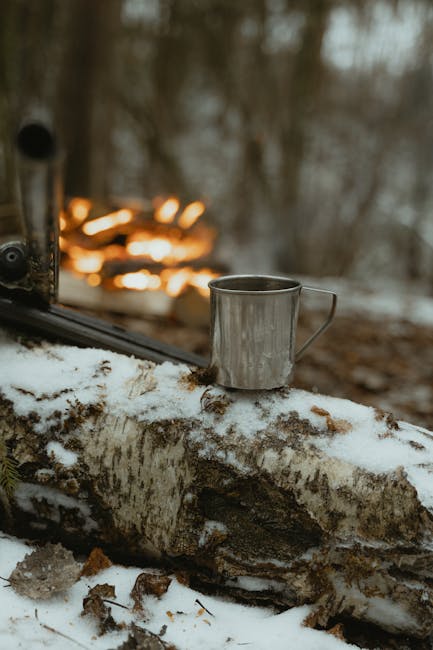
- Fire Techniques: Use a flint and steel, matches, or a lighter to start your fire. Know basic fire layouts like the teepee or log cabin structure which ensure good airflow and longer burning times.
A fire not only provides warmth and the ability to cook food but also serves as a signal for help and a deterrent against wild animals.
First Aid: Preparing for Emergencies
Injuries can happen, and knowing basic first aid is invaluable. Always carry a first aid kit and familiarize yourself with its contents. Learn how to treat common injuries like cuts, sprains, and burns:
- Bleeding: Know how to stop bleeding effectively with pressure and bandages.
- Broken limbs: Ability to create splints can be a lifesaver.
- Bites and Stings: Recognize symptoms of allergic reactions and how to treat bites from insects or snakes.
Forest adventures demand respect and preparation. By mastering these survival skills, you ensure not just your safety but also enhance your experience, enabling you to truly thrive in the wild. Classes, books, and guided tours can provide invaluable hands-on learning about surviving and thriving in forested environments.