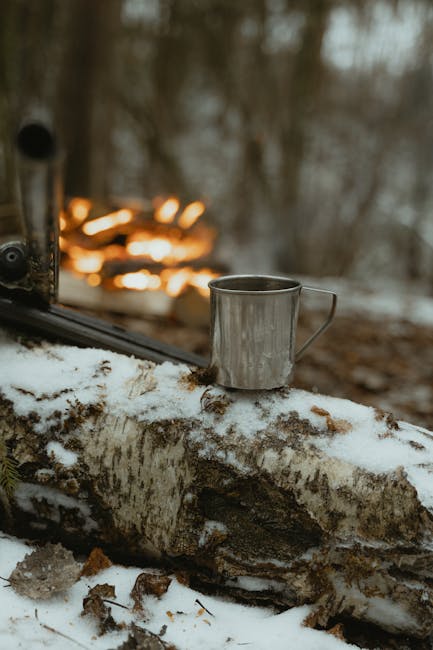
Mastering the Wild: Essential Survival Skills for the Modern Adventurer
In an era where technology holds sway in our daily lives, the call of the wild still draws many to explore the untouched corners of the earth. Whether you’re gearing up for a weekend hike or a prolonged expedition in the wilderness, possessing a core set of survival skills is crucial. Today’s modern adventurer must balance respect for nature with essential know-how to tackle unforeseen circumstances. This comprehensive guide dives into the essential survival skills vital for safety, enjoyment, and understanding of the great outdoors.
Understanding Basic Survival Priorities
Before setting foot into the wild, every adventurer must familiarize themselves with the basic survival priorities: shelter, water, fire, and food. Survival training often emphasizes the importance of finding or creating adequate shelter to protect from harsh weather conditions. Techniques such as constructing a lean-to shelter or identifying natural shelters can be life-saving.
Water is the next critical priority. The ability to locate, purify, and conserve water cannot be overstated. In many survival situations, water sources might be contaminated, turning techniques like boiling, chemical treatment, or solar stills into necessary skills.
Mastering the creation and maintenance of fire is a quintessential survival skill. Fire serves multiple purposes: it provides warmth, cooks food, signals for help, and boosts morale. Modern adventurers should be proficient in various methods of fire starting, including flint striking, using a ferrocerium rod, or even the traditional friction-based methods like the bow drill.
Lastly, the ability to identify edible plants and successful hunting or fishing significantly impacts survival capability. Basic knowledge of the local fauna and flora, along with sustainable practices, ensures that adventurers can nourish themselves without harming the ecosystem.
Navigating Your Way
One of the top questions among budding explorers is how to navigate in wilderness settings. Traditional skills like map reading, compass use, and understanding natural navigation cues such as the position of the sun or the moss growth on trees are invaluable. In today’s digital age, GPS devices and satellite phones offer additional navigational aids but relying solely on technology can be risky; batteries die, and signals can be lost. A well-rounded adventurer knows how to blend traditional and modern navigation techniques.
First Aid and Safety Precautions
Accidents can occur no matter how well-prepared you might be. Basic wilderness first aid is an indispensable skill. This includes knowing how to dress wounds, manage fractures or sprains, and address potential allergens and toxins. Equally important is the knowledge of how to react to encounters with wildlife. Understanding animal behavior and maintaining a safe distance can prevent many dangerous situations.
Additionally, informing a trusted contact about your travel plans or leaving a trip itinerary behind can be crucial in case of an emergency. Modern devices like emergency beacons or locator devices also enhance safety, providing peace of mind to both adventurers and their loved ones.
Adapting to Extreme Weather Conditions
Weather can change rapidly in nature, and understanding how to adapt is key. Learning how to dress appropriately in layers, recognize signs of hypothermia or heatstroke, and navigate through storms or extreme conditions are skills that should be on every adventurer’s checklist. Utilizing waterproof gear, understanding wind patterns, and constructing wind-resistant shelters can make a significant difference in comfort and safety.
Leave No Trace
The philosophy of Leave No Trace is crucial in preserving the natural beauty and sustainability of outdoor environments. Practicing minimal impact camping, disposing of waste properly, and respecting wildlife habitats ensure that these wilderness areas remain intact for future adventurers. Understanding and incorporating these principles is not just about skill but about stewardship.
Continuous Learning and Practice
Mastering survival skills requires more than just reading; it demands practice. Regularly participating in survival training workshops, hiking, camping, or even simulated survival scenarios can hone one’s skills. Engaging with communities and learning from experienced adventurers can also provide insights and perspectives that enrich your understanding and preparedness.
Conclusion: Becoming a Confident Adventurer
Mastering the essential survival skills transforms the modern adventurer not only into a survivor but a conscientious visitor to the wild domains of our planet. Each skill learned and practiced can significantly impact the quality and safety of your outdoor experiences. Embrace the journey of continuous learning, respect the forces of nature, and you will find yourself not just surviving, but thriving in the wilderness.
As you prepare for your next adventure, remember that the wild teaches us about our limits and strengths. Every trip is an opportunity to refine old skills and develop new ones, ensuring that each return is safer and more fulfilling.
Master the skills, respect the environment, and carry forward the legacy of the modern adventurer—adventurous in spirit but grounded in responsibility and preparation.