
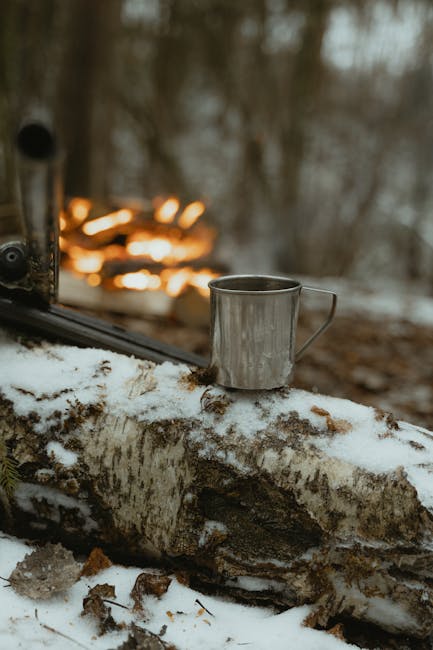
Mastering the Wild: Essential Survival Skills for the Modern Adventurer
The call of the wild resonates with many, sparking a desire for exploration and adventure beyond the comforting confines of civilization. Whether you’re planning to trek through remote forests, climb towering peaks, or traverse vast deserts, possessing a set of essential survival skills is crucial. This comprehensive guide dives into the vital abilities every modern adventurer should develop to ensure safety, efficiency, and enjoyment on their wilderness journeys.
Understanding Basic Survival Priorities
Before embarking on your adventure, understanding the basics of survival is key. These include finding shelter, securing water, maintaining body temperature, and sourcing food. Mastery of these elements forms a foundation upon which more advanced skills can be built.
Finding and Building Shelter
Shelter protects you from harsh weather and can be a morale booster in challenging situations. Learning to construct a shelter using natural materials can save your life. Techniques like building a lean-to, creating a snow cave, or even using foliage for insulation are essential skills. For preparation, familiarize yourself with various environments you might encounter and their unique shelter solutions.
Water Procurement and Purification
Water is your most critical survival need. In the wilderness, water may be sourced from streams, lakes, or collected rainwater. However, knowing how to purify water is crucial as natural sources can contain harmful pathogens. Boiling, chemical treatment, and filtration are three effective methods for making water safe to drink. Carrying portable filters or iodine tablets can simplify this process.
Maintaining Body Temperature
Depending on the environment, keeping your body temperature at a safe level can mean heating or cooling your body. Mastery of fire starting skills is invaluable for warmth and cooking. Adventurers should be comfortable with various methods such as using a flint striker, matches, or a lighter. Additionally, understanding the signs of hypothermia and heatstroke can prevent life-threatening situations.
Navigational Skills
Getting lost can turn an adventure into a peril, making navigational skills essential. Familiarize yourself with traditional compass and map reading as well as modern GPS technologies. Furthermore, learning to navigate using natural indicators, like the position of the sun or stars, is a valuable backup skill.
Using a Compass and Topographic Maps
Understanding topographic maps and compass basics are indispensable for off-trail adventures. Knowing how to interpret map contours, landmarks, and compass directions enhances your route-finding abilities. Practice these skills in controlled environments before relying on them in the wild.
GPS and Technology Aids
While technology should not replace basic survival skills, GPS devices, and satellite messengers can provide additional safety. These tools help you stay on track and can alert authorities in case of an emergency. Always ensure devices are fully charged and consider carrying solar chargers or battery packs.
Foraging and Hunting
Food is your body’s fuel, and knowing how to find sustenance in the wilderness is a powerful skill. Whether it’s identifying edible plants or understanding basic trapping and fishing techniques, these skills can sustain you if you’re stranded or delayed.
Safe Foraging
Foraging for wild edibles requires knowledge and caution to avoid poisonous plants. Invest time in learning about the flora of the region you’ll be exploring. Books, workshops, and guided tours can provide valuable expertise in identifying safe, nutritious wild foods.
Hunting and Trapping
For longer survival situations, knowing basic hunting or trapping can be advantageous. Simple snares or fishing techniques can protect the ecosystem while providing you with necessary sustenance.
First Aid Skills
Accidents happen, and in remote areas, medical help might not be readily available. Basic first aid knowledge and the ability to respond to emergencies can make a significant difference in survival scenarios. Key skills include managing wounds, understanding CPR, and dealing with exposure-related conditions.
Preparation is Prevention
Pack a well-equipped first aid kit tailored to your activity and the environment. Enroll in wilderness first aid courses to enhance your preparedness for potential injuries or health issues faced in the wild.
Conclusion
Mastering these essential survival skills equips the modern adventurer not only to face challenges in the wild but to embrace them confidently. From understanding survival priorities like shelter and water to navigating, foraging, and first aid, each skill is a step towards safer and more enjoyable adventures. Remember, the key to mastering the wild is continual learning and preparation. Adventure calls; answer it well-prepared.
For those who dare to embrace the wilderness, knowing how to survive and thrive is not just about safety; it’s about becoming one with nature and enjoying its challenges. Equip yourself with these skills, and take the step from being merely an outdoor enthusiast to a true adventurer.





