Mastering the Wild: Essential Survival Skills for Forest Adventures
Exploring the vast expanses of forest can be a thrilling adventure. However, the beauty of these natural environments comes with its own set of challenges that can turn a fun outing into a survival situation. Whether you’re planning a short hiking trip or a prolonged stay in the wilderness, acquiring essential survival skills is paramount. This comprehensive guide will equip you with the knowledge to navigate, sustain, and enjoy your time in the forest, ensuring a safe and memorable experience.
Understanding Your Environment
Before embarking on any forest adventure, it’s crucial to understand the specific environment you’ll be exploring. Different forests — from rainforests to temperate woodlands — can pose unique challenges. Researching the flora and fauna, weather patterns, and potential hazards (like wildlife) can make a significant difference.
- Flora and Fauna: Knowing which plants are safe to eat and which to avoid, and understanding animal behavior in the area can enhance your safety and overall experience.
- Weather Patterns: Weather significantly affects survival strategies. Understanding rain seasons, temperature ranges, and potential weather hazards is crucial for preparation and survival.
Navigating the Terrain
One of the first and most critical skills in forest survival is learning how to navigate. Losing your way in vast, dense forest environments is a common issue that can be mitigated with some basic knowledge:
Using a Compass and Map
Traditional navigation tools, such as a compass and map, are reliable sources for orientation. Learn how to read a topographic map and use a compass to determine your direction relative to magnetic North.
Natural Navigation Cues
When traditional tools are not available, the natural environment offers many cues for navigation. The position of the sun, the growth patterns of moss (which often grows more densely on the northern side of trees in the northern hemisphere), and the flow of rivers (which generally flow toward larger bodies of water) can all aid in determining direction.
Finding and Purifying Water
Hydration is a critical survival component, particularly in dense woodlands where physical exertion will be high. Find fresh water sources such as streams or rivers. Always purify water found in the wild, as it can contain harmful pathogens. Boiling is the most effective method, but chemical purifiers or water filtration systems can also be used if you’ve prepared the necessary equipment.
Building a Shelter
Adequate shelter is essential to protect against the elements and maintain body heat. When building a shelter:
- Location Is Key: Choose a site that’s flat and dry. Avoid valleys that can collect water or high points that may suffer wind exposure.
- Materials: Utilize available resources such as fallen branches, leaves, and barks. Pine branches, for example, are excellent for insulation and roofing.
- Insulation: Even in mild climates, the night temperature can plummet. Insulating your shelter with leaves, moss, or even grass can keep you warm and dry.
Building a Fire
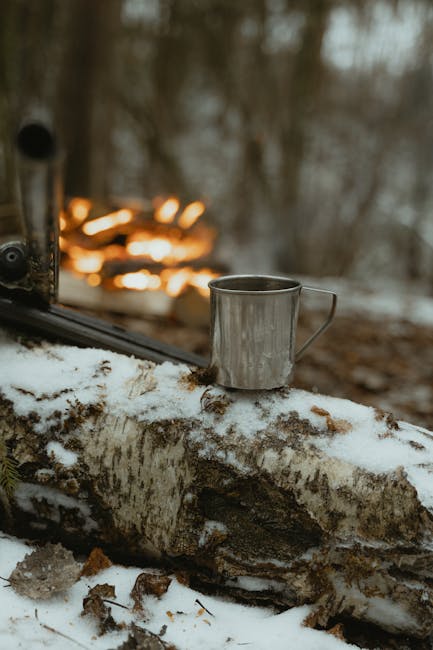
Fire not only provides warmth and a means to cook food, but it also serves as a signal for rescue. Here are crucial steps:
- Gathering Materials: Collect dry tinder, kindling, and fuel wood in separate piles. Tinder could include dry leaves, pine needles, or small twigs.
- Fire Structure: Construct your fire in stages, starting with tinder, then kindling, and gradually adding larger pieces of wood as the flame grows.
- Maintaining Safety: Always build fires in an open area away from excessive overhead foliage and ensure you can fully extinguish the fire when necessary.
Finding Food
In a survival situation, food becomes a crucial factor after shelter and water. Familiarize yourself with edible plants and fungal species in the area. Additionally, learn about:
- Trapping: Small game such as rabbits or pheasants can be trapped using snares or basic traps. Ensure you know the local wildlife regulations.
- Fishing: If you’re near a water body with fish, simple handmade lines or spears can provide substantial nourishment.
Signaling for Help
In an emergency, being able to signal for help can significantly increase chances of rescue. Always carry a whistle — three blasts are a universal distress signal. Additionally, signal fires or mirrors can alert rescuers from afar.
Final Thoughts
Mastering these essential survival skills can profoundly impact your safety and comfort in forest environments. Knowledge, preparation, and respect for nature are critical when venturing into the wild. Remember, the best survival tool you have is your mind. Stay calm, think clearly, and apply what you’ve learned, and you’ll enjoy a secure and exhilarating forest adventure.