
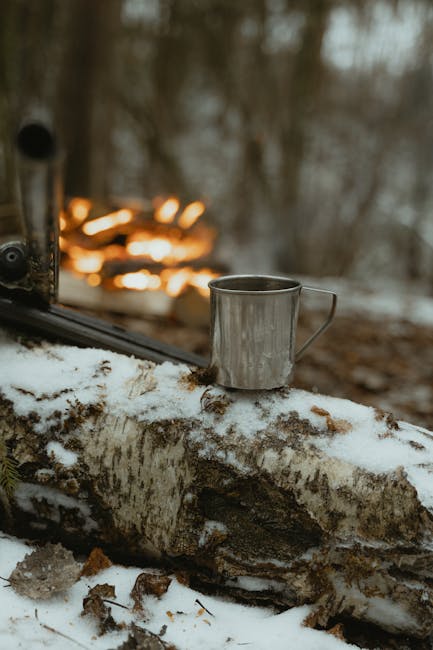
Mastering the Wild: Essential Skills for Surviving the Unforgiving Outdoors
Exploring the great outdoors is an exhilarating experience, offering a unique blend of challenges and rewards. However, venturing into the wilderness requires preparation and knowledge. Mastering survival skills is crucial for anyone who loves the outdoors, from the weekend hiker to the seasoned adventurer. This comprehensive guide covers the essential skills needed to thrive and survive when facing the unforgiving elements of the wild.
Understanding Basic Survival Priorities
Before heading out, it’s imperative to understand the basic survival priorities: shelter, water, food, and safety. Knowing how to address these needs in a wilderness setting can be the difference between life and death.
1. Building an Effective Shelter
Shelter is your immediate concern in a survival situation to protect against harsh weather conditions and temperature extremes. A good shelter can also provide a psychological boost and a sense of security.
Start by choosing a location away from natural hazards. Use materials such as branches, leaves, and even snow, depending on your environment, to create insulation and protection from the elements. Familiarize yourself with different types of shelters like lean-tos, A-frames, and debris huts to suit varying environments and situations.
2. Finding and Purifying Water
Water is critical for survival, making dehydration a significant concern. Locate a water source as soon as possible, whether it’s a stream, river, or lake. However, finding water is only part of the solution; ensuring it’s safe to drink is equally important. Boiling is the most reliable method of purification, but chemical treatments and filtration systems are also effective options for backpackers and hikers.
3. Foraging and Hunting for Food
While humans can survive for weeks without food, sufficient calorie intake is vital for maintaining energy and health. Educate yourself about edible plants, nuts, and berries to forage safely. If you are in a longer survival scenario, traps and hunting skills may become necessary. Learn basic snares and trapping techniques, respecting local wildlife and legal restrictions.
Navigating the Wilderness
Getting lost is a common issue in wilderness survival. Knowing how to navigate with or without a compass is a crucial skill.
1. Map and Compass Basics
Always carry a detailed topographic map and a compass when you explore unfamiliar terrain. Understanding how to read these tools can guide you to safety. Technology, like GPS devices or smartphone apps, offers additional navigation aids, but always have a manual backup in case of technology failure.
2. Natural Navigation Techniques
In the absence of compasses or GPS, the natural environment provides clues for direction. The position of the sun, stars, and even certain plant species can help you find your way. However, mastering these techniques requires practice and knowledge, so invest time in learning these skills before you need them.
Handling Emergencies and Risk Management
Preparing for mishaps or sudden changes in weather conditions can significantly increase your chances of survival.
1. First Aid Skills
Basic first aid knowledge is essential. Understanding how to treat minor injuries, manage hypothermia, or handle wildlife encounters can save lives. Carry a well-equipped first aid kit and know how to use each item efficiently. Also, consider taking wilderness first aid courses to enhance your preparedness.
2. Signaling for Help
In case you need to be rescued, know how to signal for help effectively. This might include using mirrors, smoke signals, or creating large symbols on the ground that are visible from the air. High-tech options like a satellite messenger or a personal locator beacon can provide peace of mind and a lifeline to the outside world.
Packing the Essentials
Proper gear is crucial for a successful outdoor adventure. Pack according to the “Ten Essentials” list, which includes items for navigation, sun protection, insulation, illumination, first-aid supplies, fire, tools, food, hydration, and emergency shelter.
Conclusion
Mastering survival skills enhances your outdoor experiences and ensures you can handle emergencies in the wilderness. Invest time in learning and practicing these skills, and equip yourself properly for your adventures. Remember, the goal is not just to survive but to thrive in the wild, enjoying all that nature has to offer safely and responsibly.
With preparation and the right skills, you can confidently explore the most remote corners of the planet and return with stories of adventure and survival. Embrace the challenge of the wild and become a proficient outdoor enthusiast.





