
Mastering the Wild: Essential Forest Survival Skills
Navigating the depths of dense forests without modern conveniences challenges even the most experienced adventurers. Mastering essential forest survival skills not only increases your chances of success but also enhances your connection with nature. This article delves into crucial survival techniques, answering common questions, and offering valuable insights to prepare you for your wilderness journey.
Understanding Basic Forest Survival Principles
Survival in a forest environment hinges on understanding several foundational principles. The most critical include shelter, water, fire, and food. Mastering these can significantly improve your survival odds in harsh conditions.
1. Constructing a Shelter
First and foremost is building a shelter. Your survival shelter should insulate you from cold, rain, and potentially dangerous wildlife. Look for natural structures such as caves or overhanging cliffs. If none are available, use available resources like branches, leaves, and moss to construct a lean-to or debris hut. Prioritize a location near a water source but elevated to avoid flooding.
2. Finding and Purifying Water
Water is your next priority. Forests often contain streams, rivers, or dew on vegetation, but always purify water to avoid pathogens. Boiling is the most effective method, requiring a fire or a portable stove. If these aren’t options, consider carrying water purification tablets or a portable filter.
3. Building and Managing Fire
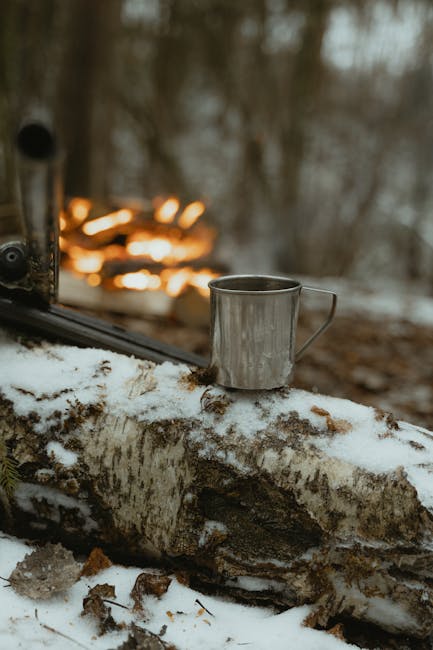
A fire serves multiple purposes: it can warm you, cook food, signal for help, and purify water. Collect dry tinder, kindling, and fuel before attempting to light a fire using a spark, friction, or direct flame. Always monitor your fire to prevent forest fires and maintain a manageable size for safety.
4. Foraging for Food
While you can survive weeks without food, nourishment enhances your energy and state of mind. Familiarize yourself with edible plants, fruits, and nuts native to the forest you’re exploring. If safe and legal, setting snares for small game can provide a significant calorie boost.
Navigating and Orientation Skills
Getting lost can turn a survival situation from challenging to lethal. Mastery of basic navigation skills is essential:
Using a Compass and Map
Always carry a reliable compass and detailed topographic map of the area. Understand how to align the map with your surroundings and use the compass to orient yourself. Remember the acronym STOP: Stop, Think, Observe, Plan. This process helps prevent panic and ensures thoughtful decisions.
Natural Navigation Methods
If you find yourself without instruments, the natural environment offers aids. The sun generally rises in the east and sets in the west, offering a basic directional guide. Moss growing predominantly on the northern side of trees is another popular, though less reliable, navigation aid.
Emergency Signaling Techniques
If you need rescue, knowing how to signal for help can save your life. Visibility and audibility are your allies here:
Visual Signals
Use mirrors, bright clothing, or make large symbols in open spaces using rocks or logs. Three of anything (fires, piles of rocks, blasts of a whistle) is internationally recognized as a distress signal.
Audio Signals
Firearms, whistles, and even banging rocks together can create noise that draws attention. Space your signals in sets of three with regular intervals.
Dealing with Wildlife Encounters
Encountering wildlife is inevitable in the forest. While most animals avoid human contact, understanding how to handle encounters reduces risk. Research wildlife native to your location to anticipate potential threats. Store food properly, using airtight containers and hanging supplies from trees to avoid attracting animals to your campsite.
First Aid and Health Management
Carry a well-equipped first aid kit and know the basics of treating cuts, burns, and bites. Recognizing symptoms of hypothermia and heat exhaustion can also be life-saving.
Continuous Learning and Preparation
Preparation is key to forest survival. Regularly update your survival knowledge and skills through courses, reading, and practice. Pack according to the environment and season, always anticipating the worst-case scenario with your gear choices.
Understanding and mastering these forest survival skills enhances your safety and enjoyment during wilderness adventures. Each trip into the forest offers a new opportunity to refine these skills, preparing you for any challenges nature may present.
Conclusion
Mastering forest survival skills is an ongoing journey of learning and adaptation. By enhancing your knowledge and continuously practicing these essential skills, you not only ensure your safety but also enrich your outdoor experiences, allowing you to embrace the wild with confidence and respect.
Always remember: preparation, practice, and presence of mind are your best tools in mastering the art of forest survival. Equip yourself, stay aware, and respect the natural world, and your forest adventures will be not just survivable but deeply rewarding.





