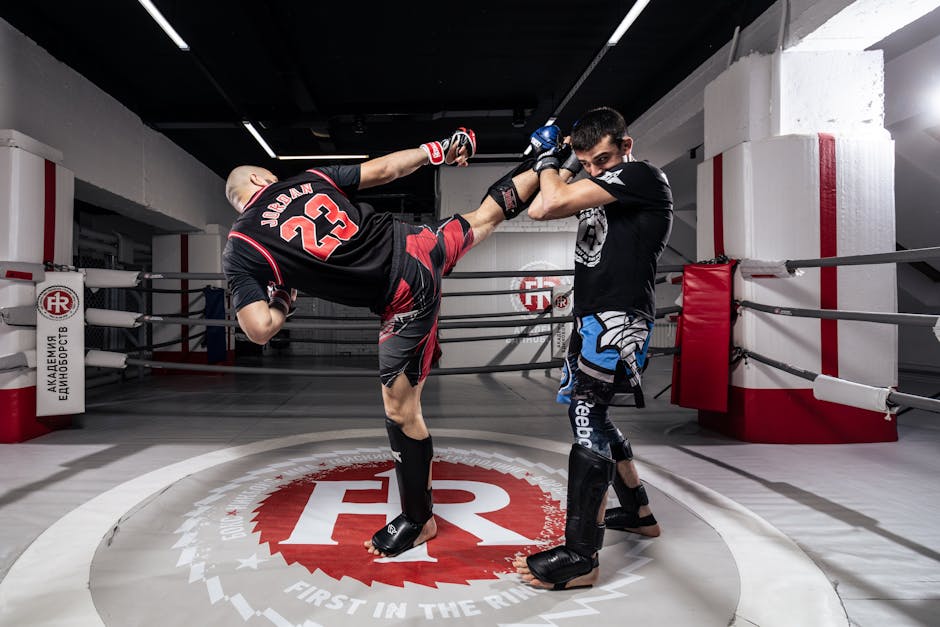
Mastering the Moment: The Key to Enhanced Situational Awareness
In today’s fast-paced world, the ability to maintain a high level of situational awareness is more crucial than ever. Whether you’re navigating through crowded city streets, managing a highly dynamic workplace, or simply ensuring personal safety, situational awareness plays a pivotal role. Mastering the art of situational awareness involves understanding your environment, comprehending the immediate elements, and anticipating potential challenges or dangers.
Understanding Situational Awareness
Situational awareness is the perception of environmental elements and events concerning time or space, the comprehension of their meaning, and the projection of their future status. This seemingly straightforward concept is deeply rooted in cognitive processing and is critical across various fields including safety, security, and decision-making processes.
Effective situational awareness requires not just active observation, but also an intricate integration of alertness and decision-making. By enhancing your situational awareness, you can react swiftly and more effectively to any unexpected incidents, increasing both personal and professional efficiency.
Why is Situational Awareness Important?
In environments where conditions can change abruptly—such as emergency response, military operations, or even busy urban settings—situational awareness is essential. It allows individuals to:
- Avoid dangerous situations
- Enhance decision-making capabilities
- Improve safety protocols
- Decrease response times to unexpected events
For professionals in high-stakes environments, the consequences of poor situational awareness can range from minor mishaps to severe outcomes including loss of life or catastrophic failures.
Techniques to Enhance Situational Awareness
Enhancing your situational awareness involves both mental and physical practices. Below are some actionable strategies that can help anyone improve their ability to understand and respond to their surroundings more effectively:
Regular Training and Simulation
Regularly engaging in training exercises that simulate real-life scenarios can significantly boost your reaction times and decision-making skills under pressure. These activities help reinforce the mental models that enable individuals to perform efficiently in dynamic environments.
Maintain Physical and Mental Fitness
A sharp mind and a healthy body are fundamental to quick and effective decision-making. Physical fitness contributes to better overall alertness and can enhance your ability to process information and remain attentive.
Utilize Technology and Tools
Advancements in technology have led to the development of various tools that assist in improving situational awareness. From mobile apps that provide real-time updates about one’s environment to sophisticated monitoring systems used in aviation and maritime industries, technology plays an integral role in augmenting human senses and cognitive abilities.
Common Challenges and Solutions
Enhancing situational awareness is not devoid of challenges. Distractions, information overload, and high-stress levels are some of the most common hurdles. However, with strategic measures, these can be managed effectively:
Reducing Distractions
Minimize distractions by structuring your environment to limit non-essential interruptions. This could mean turning off unnecessary notifications on your devices or organizing your workspace to optimize efficiency.
Managing Information Overload
Learning to distinguish between useful and irrelevant information is crucial. Tools like decision matrices or priority lists can help manage information flows and enhance focus on critical details.
Stress Management Techniques
Practicing stress management techniques such as deep breathing, mindfulness, or even engaging in regular physical activity can help maintain calm and improve overall responsiveness.
Conclusion: The Integral Role of Situational Awareness
Mastering situational awareness is an ongoing process that requires diligence, practice, and a proactive approach to both learning and personal health. Those who excel at it can significantly enhance their safety, productivity, and decision-making skills, leading to better outcomes in both personal and professional arenas.
By adopting the practices outlined above, anyone can improve their ability to master the moment and maintain an enhanced level of awareness, ultimately contributing to more secure and effective environments.
FAQ Section
What is situational awareness in simple terms?
Situational awareness involves being aware of what is happening around you to understand how information, events, and your own actions will impact your goals and objectives, both now and in the near future.
Can situational awareness be trained?
Yes, situational awareness is a skill that can be developed through practice, training, and the use of certain techniques aimed at enhancing cognitive abilities and perceptual acuity.
Are there tools that can help improve situational awareness?
Yes, various technological solutions and tools can support better situational awareness. Apps, wearables, and advanced monitoring systems are frequently used across many industries to help maintain high levels of situational awareness.
Remember, the key to mastering situational awareness is constant adaptation and vigilance. In a world where seconds can make a significant difference, staying alert and prepared is your best strategy.