
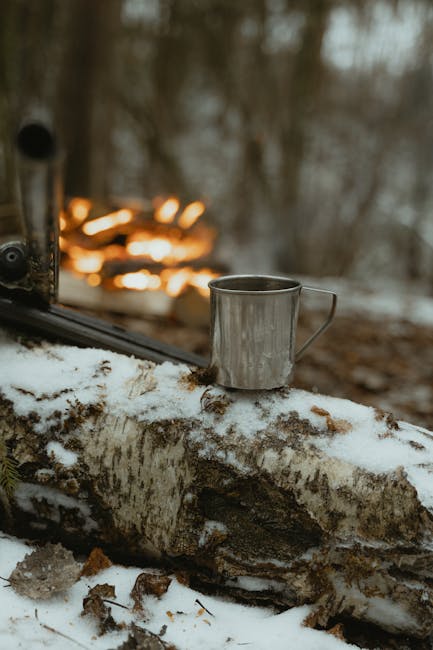
Mastering the Flames: Essential Techniques for Building a Fire
Whether you’re a seasoned camper, a survival enthusiast, or simply seeking to enjoy a cozy night by the fireside, mastering the art of building a fire is a crucial skill. This comprehensive guide explores key techniques and strategies to build a fire effectively, ensuring warmth, safety, and enjoyment.
Understanding the Basics of Fire Building
Before diving into the techniques, it’s important to understand the basic components required to build a fire: heat, fuel, and oxygen. Additionally, understanding the types of fires and their specific uses can enhance your effectiveness in different environments and conditions.
Types of Fire Layouts
- Teepee Fire: Ideal for cooking, the teepee layout involves placing kindling and smaller logs in a cone shape, allowing air to circulate upwards freely.
- Log Cabin Fire: Perfect for warmth and a longer burn, this layout starts with a teepee and is surrounded by larger logs stacked in a square formation around it.
- Lean-to Fire: Great for windy conditions, this setup uses a large log as a windbreak, with kindling placed underneath and small logs leaning against the windbreak.
Choosing the Right Materials
Selecting appropriate materials is vital for building a successful fire. Your materials can be categorized into three main groups:
Tinder, Kindling, and Fuelwood
- Tinder: Includes small, easily ignitable materials like dry leaves, pine needles, or paper. Tinder catches fire quickly but burns fast.
- Kindling: Small to medium-sized twigs and sticks, ideally dry and no thicker than a pencil. Kindling sustains the fire enough to light larger logs.
- Fuelwood: Larger pieces of wood that will keep your fire burning for extended periods. Properly dried and seasoned wood works best, as it burns cleaner and longer.
Step-by-Step Guide to Building a Fire
Effective fire-building involves strategic assembly and attention to airflow. Here’s a step-by-step guide to build a fire from scratch.
Preparation and Safety Steps
- Choose a Safe Location: Ensure the fire spot is clear of overhead hazards like branches and far away from tents and flammable materials.
- Create a Fire Bed: If there’s no designated fire pit, create a bed of dirt or sand and surround it with rocks to contain the fire.
Building the Fire
- Lay Your Tinder: Place your chosen tinder in the center of your fire bed.
- Add Kindling: Build your desired structure (teepee, log cabin, etc.) with kindling around and above the tinder.
- Light the Fire: Light the tinder with a match or lighter. The flame should catch and start burning the kindling.
- Gradually Add Fuelwood: As the kindling burns, start adding smaller pieces of fuelwood, and progressively add larger pieces as the fire establishes.
Maintaining Your Fire
Keeping a fire burning evenly and safely is just as important as starting it. Regular maintenance ensures your fire burns longer and more efficiently.
Tips for Fire Maintenance
- Manage the Airflow: Occasionally adjust the logs slightly to improve ventilation without disrupting the structure.
- Add Fuel Gradually: Avoid smothering the fire by adding too much wood too quickly. Allow the fire to breathe.
- Keep Your Fire at a Manageable Size: A larger fire isn’t necessarily better. Keep it to a size that is manageable and serves the purpose, whether for heat, cooking, or ambiance.
Extinguishing Your Fire Safely
The final and one of the most important aspects of fire management is properly extinguishing your fire. Neglecting this step can lead to wildfires and other hazards.
Steps to Safely Extinguish a Fire
- Allow the Wood to Burn to Ash: Where possible, let the wood burn completely to ash for easier extinguishing.
- Douse with Water: Slowly pour water over the ashes, but be cautious of hot steam. Stir the ashes to ensure all embers are extinguished.
- Check for Remaining Heat: Hover your hand near the ashes to feel for any remaining heat. Continue adding water and stirring until the site is cool.
Conclusion
Mastering the art of fire building is not only about ensuring comfort and survival in diverse conditions but also about practicing responsibility and caution. By following the outlined steps, from selecting the right materials to safely extinguishing your fire, you can master the craft of fire building and enjoy the many benefits it offers, safely and efficiently.
Remember, practice makes perfect. Each fire-building experience can enhance your skills and prepare you for various outdoor adventures.





