
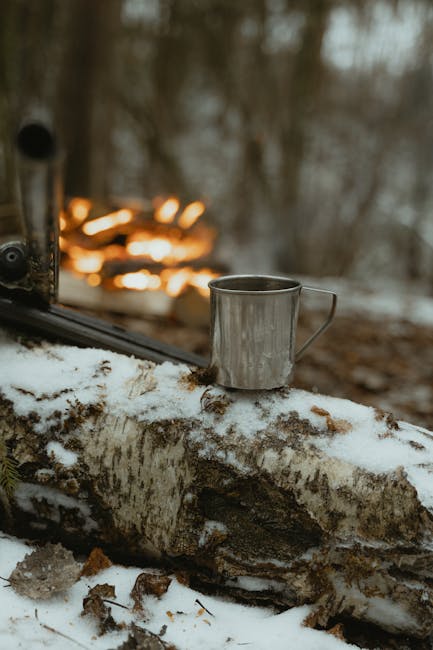
Mastering the Flame: Essential Techniques in Basic Fire Building
Building a fire is a fundamental skill that has been essential to human survival and comfort for millennia. Whether you’re camping, surviving in the wild, or simply enjoying a backyard bonfire, knowing how to adeptly start and maintain a fire is invaluable. This guide will walk you through the key techniques and considerations in basic fire building, ensuring you can create a warm, reliable flame whenever needed.
Understanding the Basics of Fire Building
Before diving into the techniques, it’s important to understand the basic elements that make a fire possible: heat, fuel, and oxygen. These elements form the ‘fire triangle,’ a simple model that illustrates the necessities for ignition and maintenance of a fire. Success in fire building heavily depends on balancing these elements effectively.
Choosing the Right Location
The first step in successful fire building is choosing an appropriate location. Look for a site that is sheltered from the wind yet well-ventilated. Avoid areas under hanging branches, and always build your fire on non-flammable surfaces like dirt or on established fire rings. This minimizes the risk of accidental fires spreading.
Preparing Your Fire Site
Once a spot is selected, clear it of any debris, leaves, or grasses that could catch fire. It’s also wise to surround your fire area with a ring of rocks. This not only keeps the fire contained but also reflects heat back. Ensure that you have ample space around the fire site for safety.
Selecting and Arranging Fuel
The materials you burn are just as important as how you burn them. There are three types of fuel to prepare:
- Tinder: Small, easily combustible materials that catch fire quickly, like dry leaves, pine needles, or paper.
- Kindling: Slightly larger than tinder, these are small sticks and twigs that will help the fire grow without smothering it.
- Fuel Wood: Larger pieces of wood that will burn for a long time, maintaining and producing most of the heat.
Arrange these materials in your cleared space using popular methods like the teepee or log cabin layout, both of which allow for good airflow and growth of the fire.
Lighting the Fire
The lighting method depends largely on your environment and resources. Matches or lighters are the most convenient tools for starting a fire, but it’s always useful to know alternative methods such as flint and steel or a magnifying glass. Place your ignition source under your tinder, gently blowing to give it the oxygen it needs to grow, and add kindling progressively as the flame builds.
Maintaining and Controlling Your Fire
As the fire establishes, add larger pieces of wood, judging the rate at which the fire consumes the wood. Be mindful not to smother your fire by adding too much fuel or suffocate it by restricting air flow. Adjust the wood as needed to promote better airflow and fuel consumption.
Fire Safety Practices
Fire safety cannot be overstated. Always keep water, sand, or a fire extinguisher nearby in case the fire needs to be extinguished quickly. Never leave a fire unattended, and ensure it is completely out before leaving the site. Stir ashes and douse them with water to be sure no embers remain that could reignite.
Common Questions About Fire Building
How do you make a fire last all night?
To make a fire last the entire night, use larger logs and arrange them in a way that they burn slowly. Some configurations, like the upside-down fire (larger logs at the bottom and smaller on top), are specifically meant for prolonged burn times.
What is the best wood for fire building?
The best wood for fire building is dry, seasoned wood. Hardwoods like oak and maple burn longer and provide more heat, making them ideal for fires that need to last a while. Softwoods like pine can burn faster and are good for quick, hot fires.
Can you build a fire in the rain?
Building a fire in the rain is challenging but possible. Protect your fire as it grows with a tarp or other cover. Focus on keeping your tinder and kindling dry before lighting, using methods like the teepee setup to shelter the initial flame.
Conclusion
Mastering the art of fire building is a mix of skill, preparation, and respect for nature’s elements. By understanding the basics and applying these essential techniques, you can ensure that your fire-building experiences are both successful and safe. Remember, like any skill, proficiency in fire building comes with practice and experience. So, gather your materials and start practicing this ancient human art.





