Mastering the Flame: Essential Techniques for Building a Fire
Building a perfect fire is an ancient skill that has lit up the nights and warmed the hearts of human beings for centuries. Whether you’re an eager camper, a survival enthusiast, or simply craving the crackle of a backyard fire pit, mastering the art of fire-making is indispensable. This article delves into essential techniques and tips to build a fire effectively, ensuring safety, efficiency, and enjoyment.
Understanding the Basics of Fire Building
Before diving into the complexities of fire-making, it’s crucial to understand the basic components needed to start a fire: heat, fuel, and oxygen. These elements form the ‘fire triangle,’ a simple model that illustrates the necessary ingredients for most fires.
Heat
Heat is the ignition source and can be provided by matches, lighters, or even friction. It’s the initial spark that starts the combustion process.
Fuel
Fuel includes any combustible material that will sustain the fire. Commonly used fuels include wood, paper, or leaves. However, picking the right type of wood and preparing it effectively is critical for building a successful fire.
Oxygen
Oxygen is ever-present in the environment and enhances combustion. For a fire to burn effectively, it must have a good supply of oxygen, which can be facilitated through proper arrangement of your materials.
Step-by-Step Guide to Building a Fire
Even with the theoretical knowledge, the practical aspect of starting a fire can be challenging. Here are some structured steps to guide you through the process:
1. Selecting Your Site
Choose a site that’s safe, away from overhanging branches, and shielded from the wind. Make sure that the site is legally permissible for fires and always use existing fire rings if available.
2. Preparing the Fire Bed
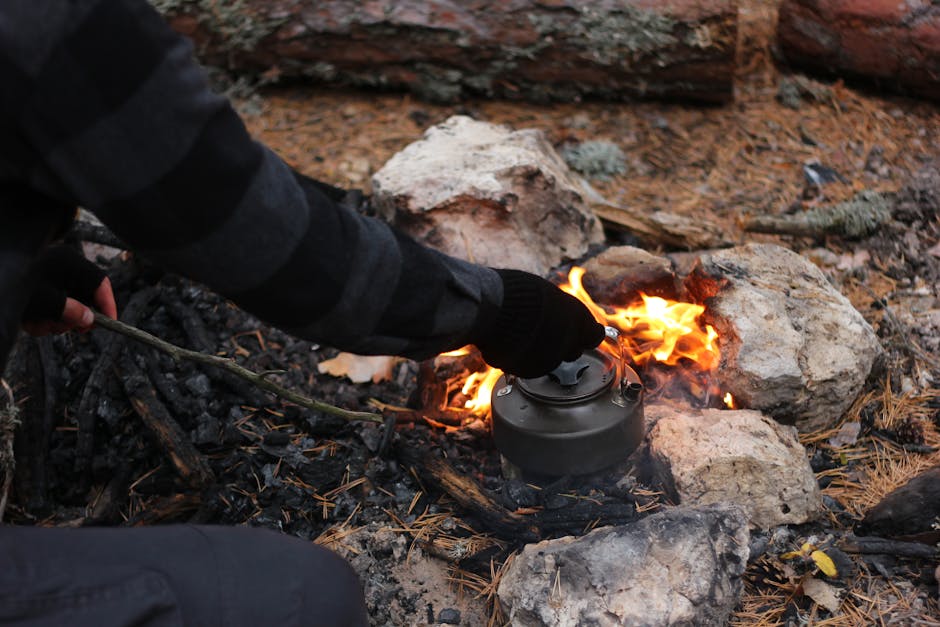
If no existing fire ring is available, clear a patch of ground down to the soil, removing any grass, leaves, and debris to prevent unintended spreading of the fire. It’s advisable to surround your fire with a circle of rocks.
3. Collecting the Right Wood
Gather three types of wood: tinder, kindling, and fuel wood. Tinder consists of small, easily combustible materials like dry leaves, pine needles, or paper. Kindling includes small sticks and larger pieces of wood that can catch fire from the tinder and help build the flame to ignite the larger fuel wood, which maintains the fire for a longer duration.
4. Building the Structure
There are several methods to lay your fire, among which the teepee and log cabin structures are the most popular:
- Teepee: Arrange the tinder in the center and form a teepee around it with your kindling. Gradually add larger pieces while leaving enough gaps for air.
- Log Cabin: Start with a small teepee and then stack logs around it in a square structure, allowing space for air to flow through.
5. Lighting the Fire
Ignite the tinder with your heat source and gently blow at the base of the fire to provide additional oxygen, which helps the fire grow. As the kindling catches fire, carefully add more until the larger logs ignite.
6. Managing and Extinguishing the Fire Safely
Once established, keep the fire at a manageable size and never leave it unattended. When you’re ready to extinguish the fire, douse it with water, stir the ashes, and apply more water. Ensure the fire is completely out before leaving the site.
Common Challenges and Tips
Building a fire can come with its set of challenges, such as damp wood or strong winds. Here are some tips to overcome these issues:
- Always use dry wood. If the wood is damp, try shaving off the wet outer layer to reach drier wood inside.
- In windy conditions, shield your fire and build it in a direction where the wind will blow the flame towards the fuel and not away from it.
- Store your wood in a dry place to avoid moisture, or cover it with a tarp if leaving it outdoors.
Conclusion
Mastering the flame is about understanding and respecting the natural elements of heat, fuel, and oxygen. By following the essential techniques outlined in this guide, you can build a safe, efficient, and enjoyable fire. Whether you’re out in the wilderness or enjoying your own backyard, the ability to create fire is a rewarding skill that connects us with nature and our past.