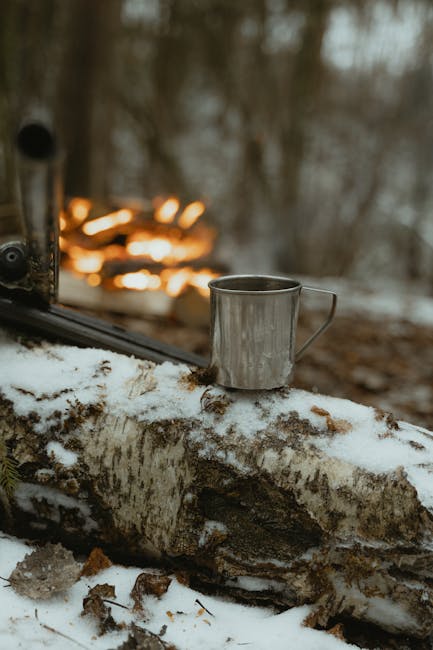
Mastering the Elements: Essential Survival Skills for the Wilderness
Exploring the great outdoors is a rewarding experience, offering both beauty and the thrill of the unknown. However, venturing into wilderness areas requires preparation, respect for nature, and a solid understanding of survival skills. In this article, we’ll dive into the essential survival skills you need to master for safely enjoying wilderness adventures.
Finding and Purifying Water
Water is your most crucial resource in survival situations, making hydration and water purification key skills. Locating a water source is your first step; streams, rivers, and lakes are common in wild areas, but ensure the water is safe to drink.
Methods of Purification
- Boiling: Boiling water is the safest method to kill pathogens and bacteria.
- Chemical Treatments: Iodine or chlorine tablets can purify water but check for any underlying allergies.
- Filter Systems: Portable filters are effective but always carry backups like tablets.
Building a Shelter
Protection from the elements is vital, especially overnight. Mastering the skill of shelter building could very well save your life. The type of shelter you build depends on the resources available and the environmental conditions.
Types of Shelters
- Lean-to Shelter: Requires a long branch against a stable structure, covered with smaller branches and leaves.
- Tarp Shelter: Uses a tarp and rope; versatile and quick to set up.
- Debris Hut: Made from piled debris over a frame; excellent insulation.
Choose a location that is dry, flat, and away from hazards like falling branches or rising water levels.
Starting a Fire
Fire is essential for warmth, cooking, and psychological comfort. Fire-building techniques are a cornerstone of wilderness survival. Always carry multiple methods of starting a fire when hiking or camping, such as waterproof matches, lighters, and fire starters.
Fire Building Steps
- Gather materials: Collect dry tinder, kindling, and larger pieces of wood.
- Build the base: Start with a small pile of tinder, then add kindling in a teepee or log cabin style.
- Maintain the fire: Gradually add larger pieces, ensuring the fire gets enough air to breathe.
Respect local fire regulations and always fully extinguish your fire before leaving the site.
Foraging for Food
Knowing how to identify edible plants, berries, and mushrooms can enhance your survival chances. Study local flora and understand which are safe to eat and which to avoid.
Safe Foraging Tips
- Use a field guide: Always carry a guidebook for identifying edible species in your region.
- Avoid brightly colored berries: Many are toxic.
- Test in small amounts: If you’re unsure about a plant, try a small bit first and wait to see how your body reacts.
Navigation Skills
Getting lost is a possibility in the wilderness. Knowledge of basic navigation skills using a map and compass can prevent such situations. Today’s technology offers GPS devices and solar chargers, but traditional methods should always be understood as a backup.
Essential Navigation Techniques
- Learn to read a topographic map: Understand terrain symbols and elevations.
- Using a compass: Learn how to align your compass with the map and determine your direction relative to magnetic north.
- Sun and stars: Basic skills in using the sun’s position and stars can guide you in the absence of compass or map.
Signaling for Help
In case of an emergency, knowing how to signal for help can make a critical difference. Three blasts of a whistle, three fires in a triangle, or mirror signals are universally recognized distress calls.
Effective Signaling Devices:
- Mirrors: Use sunlight to create a visible signal for aircraft or distant rescuers.
- Whistles: Carry a loud whistle to use for audible signaling.
- Bright clothing: Wear or display brightly colored items to increase visibility to rescuers.
Conclusion
Mastering these essential survival skills before heading into the wilderness can protect you and enhance your experience amidst nature’s unpredictability. Always prepare thoroughly, carry appropriate gear, and maintain a calm and informed approach to every adventure. Remember, the wild is as unforgiving as it is beautiful, and respecting its elements is the best way to enjoy its wonders safely.