Mastering the Elements: Essential Strategies for Wilderness Survival
The wilderness offers a profound sense of freedom and adventure but it also requires respect, preparedness, and knowledge to safely navigate its challenges. Mastering essential survival strategies is crucial for anyone venturing into nature’s untamed landscapes. Here, we delve into time-tested strategies and helpful tips to ensure your wilderness experience remains safe and enjoyable.
Understanding the Basics of Wilderness Survival
Survival in the wilderness begins long before you step into the forest, desert, or mountains. Preparation is your most critical asset. Start with understanding the basics of survival, which encompass the core needs: shelter, water, fire, and food.
Building Effective Shelter
Your shelter is your first line of defense against the elements. Prioritize finding a location that is dry, flat, and protected from the wind. Use natural materials such as branches and leaves, or bring a lightweight, waterproof tarp to help conserve energy and shield from weather extremes. A well-constructed shelter not only offers comfort but can be life-saving in situations of extreme weather.
Finding and Purifying Water
Water is your most urgent need in the wilderness. Locate a water source quickly and always purify it to avoid waterborne illnesses. Boiling water is a failsafe method, but portable filters and chemical purifiers also offer practical solutions for clean drinking water. Remember, staying hydrated is key to maintaining your stamina and decision-making abilities.
Making a Fire
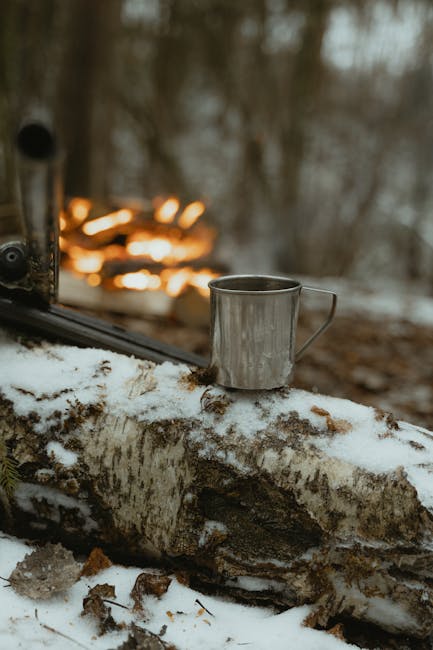
Fire serves multiple purposes: warmth, cooking, animal deterrent, and signaling for help. Master basic fire-making skills using matches, lighters, or spark-based implements. Always collect dry tinder and kindling, and know how to structure your fire to maximize airflow and durability.
Sourcing Food
In survival scenarios, nourishment plays a vital role. Familiarize yourself with edible plants, insects, and basic trapping techniques to secure a food source. Always apply the Universal Edibility Test to determine plant safety, reducing the risk of poisoning.
Navigating and Orientation Techniques
Getting lost is a common fear in the wilderness. Equip yourself with a physical map and compass and know how to use them effectively. In today’s digital age, GPS devices provide a secondary navigation method, but they should not replace traditional tools that do not require battery power.
Using Natural Navigation
In the absence of compass or GPS, the natural environment offers alternative navigation aids. The position of the sun, moon, and stars, the growth of moss on trees, and the flow of rivers can all point to cardinal directions and help orient you towards safety.
Staying Safe: Health, Wildlife, and Weather Precautions
Your health and safety while on an adventure can be managed by taking certain precautions against wildlife encounters, sudden weather changes, and potential injuries.
Handling Close Encounters with Wildlife
Encountering wildlife is part of the wilderness experience. However, it is crucial to know how to react to various animals. Research wildlife native to your destination and carry bear spray or other deterrents. Store food securely and keep your camp clean to avoid attracting animals.
Preparing for Harsh Weather Conditions
Weather can change abruptly. Stay updated with the latest weather forecasts and plan accordingly. Appropriate clothing, understanding the signs of hypothermia and heat exhaustion, and knowing when to seek shelter can mitigate the risks associated with severe weather.
Managing Injuries and Basic First Aid
A well-stocked first aid kit is indispensable in the wilderness. Be knowledgeable about basic first aid techniques, from treating blisters and minor cuts to managing sprains or fractures. Always inform someone of your travel plans and expected return, in case of emergencies.
Leaving No Trace: Environmental Responsibility
Preserving the natural beauty and integrity of wilderness areas is a shared responsibility. Practice Leave No Trace principles by packing out what you pack in, minimizing campfire impacts, and respecting wildlife and vegetation. By following these guidelines, you contribute to the sustainability and enjoyment of outdoor spaces for future generations.
Conclusion: Cultivating a Mindful Approach to Wilderness Survival
Wilderness survival is as much about practical skills as it is about maintaining a calm, observant mindset. By preparing thoroughly, respecting nature’s boundaries, and staying informed, you can enjoy all that the wild has to offer. Remember, every trip into the wilderness is an opportunity to learn and grow as an explorer of the natural world.
With the right strategies, the wilderness doesn’t have to feel like an unforgiving frontier, but rather a place where you can align with nature and discover your own resilience and resourcefulness.