[ad_1]
Mastering the Art of Navigation: The Ultimate Guide to Mapreading
Whether you are an avid hiker, a seasoned traveler, or just someone who loves the great outdoors, mastering the art of navigation is a crucial skill to have. In a world where GPS and smartphones have become the norm, the ability to read and interpret a map may seem like a lost art. However, understanding mapreading is still an essential skill that can come in handy in various situations, from navigating unfamiliar terrain to planning a road trip. In this comprehensive guide, we will delve into the basics of mapreading and provide you with the knowledge and tools you need to become a master navigator.
The Importance of Mapreading
Mapreading is not just about knowing how to read a map – it is about understanding your surroundings, planning your route, and navigating with confidence. While modern technology has made navigation easier in many ways, it is not always reliable, especially in remote areas or when signals are weak. By learning how to read a map and use a compass, you can navigate effectively in any situation, whether you are hiking in the wilderness or exploring a new city.
Understanding Maps
Maps come in various forms, from topographic maps that show terrain features to road maps that display highways and streets. Before you can start navigating with a map, you need to understand its key components:
- Scale: The scale of a map indicates the relationship between the size of the map and the actual distance on the ground. For example, a map with a scale of 1:50,000 means that one unit of measurement on the map represents 50,000 units in real life.
- Legend: The legend on a map explains the symbols and colors used to represent different features, such as roads, rivers, and landmarks.
- Contour Lines: Contour lines on a topographic map indicate elevation changes and help you visualize the terrain.
Using a Compass
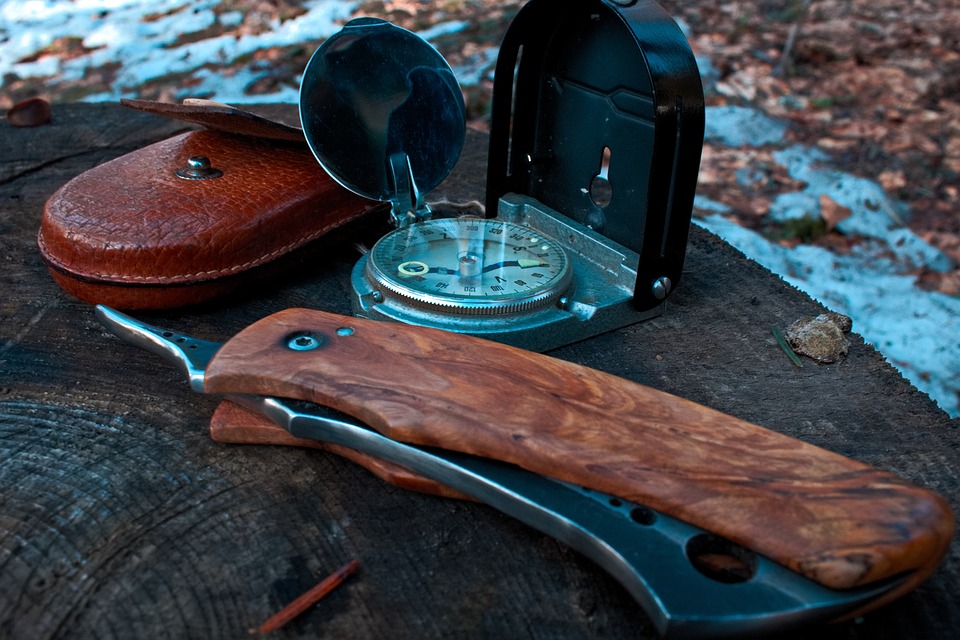
A compass is a valuable tool for navigation, especially when combined with a map. To use a compass effectively, follow these steps:
- Hold the compass flat in front of you and align the direction of travel arrow with the direction you want to go.
- Rotate the compass housing until the north arrow aligns with the north on the compass housing.
- Turn your body until the magnetic needle points to the north on the compass.
- You are now facing the direction you want to go – follow the compass to stay on course.
Mapreading Techniques
Now that you understand the basics of maps and compasses, let’s explore some mapreading techniques that will help you navigate like a pro:
Orienting the Map
Before you can start navigating with a map, you need to orient it to match the direction you are facing. To orient a map, follow these steps:
- Hold the map in front of you with the top facing north.
- Rotate the map until the features on the map match the features in your surroundings.
- Use a compass to confirm that the map is correctly oriented.
Identifying Landmarks
When navigating with a map, look for prominent landmarks that can help you stay on track. Landmarks can be natural features like mountains and rivers or man-made structures like buildings and roads. By identifying landmarks on the map and in your surroundings, you can pinpoint your location and plan your route more effectively.
Following a Route
When following a route on a map, pay attention to key features like trails, roads, and intersections. Use your compass to stay on course and adjust your route as needed. Remember to check your progress regularly and make note of any deviations from your planned route.
Common Questions About Mapreading
As you embark on your journey to master the art of navigation, you may have some questions about mapreading. Here are some common questions and answers to help you navigate with confidence:
Is mapreading still relevant in the age of GPS?
While GPS technology has made navigation easier in many ways, mapreading is still a valuable skill to have. Maps provide a big-picture view of your surroundings and can help you navigate effectively in situations where GPS signals are weak or unavailable.
What is the best way to practice mapreading skills?
The best way to practice mapreading skills is to get out and explore! Take a map and compass with you on your next outdoor adventure and practice navigating without relying on GPS. Start with familiar terrain and gradually challenge yourself with more complex routes.
Can I use mapreading in urban environments?
Yes, mapreading skills are not just for the wilderness – you can use them in urban environments as well. Whether you are navigating a new city or exploring a neighborhood, maps can help you find your way and discover hidden gems off the beaten path.
Conclusion
Mastering the art of navigation is a valuable skill that can enhance your outdoor experiences and give you the confidence to explore new places. By learning how to read maps, use a compass, and navigate with precision, you can navigate effectively in any situation. Remember to practice your mapreading skills regularly and stay curious about the world around you. Happy navigating!
Are you ready to become a master navigator? Follow the tips and techniques in this guide to sharpen your mapreading skills and navigate with confidence in any environment.
[ad_2]