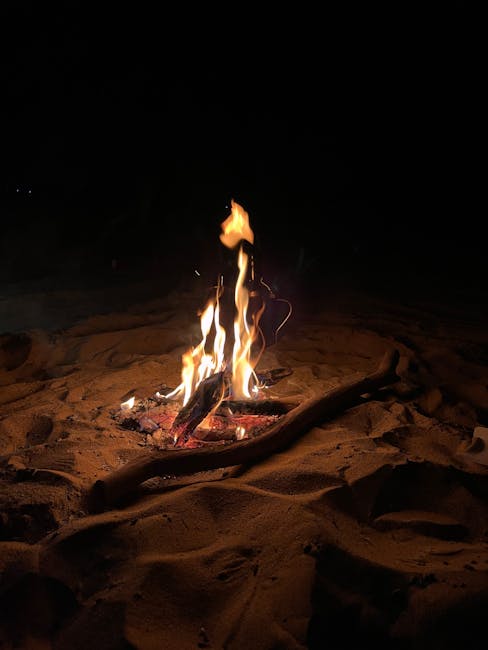
Mastering the Art of Fire Building: Techniques and Tips for the Perfect Blaze
Building a fire is an essential skill, whether for camping, survival, or enjoying a cozy evening under the stars. A well-built fire can provide warmth, light, and a means of cooking food. However, mastering the art requires understanding certain techniques and nuances. In this detailed guide, we will explore various fire-building methods, address common questions, and offer practical tips for ensuring your next fire is safe, efficient, and perfectly ablaze.
Understanding the Basics
Before you strike the first spark, it’s essential to understand the basic components of a fire: heat, fuel, and oxygen. These elements form the fire triangle and are crucial for creating and maintaining a fire. Additionally, selecting the right location and preparing the environment are vital steps to ensure safety and efficiency.
- Choosing a Safe Location: Always select a flat, sheltered spot away from trees, bushes, and other flammable materials. Use existing fire rings if available.
- Preparing the Area: Clear a 10-foot diameter area around your fire spot. Dig a small pit to contain the fire, and surround it with rocks if possible.
Selecting the Right Materials
The materials you choose can determine the success of your fire. You’ll need tinder, kindling, and firewood:
- Tinder: This is the easily flammable material that will catch fire quickly. Good options include dry leaves, pine needles, and small twigs.
- Kindling: Slightly larger than tinder, kindling will burn longer and help build your fire. Small sticks and larger twigs work well.
- Firewood: Finally, you’ll add larger pieces of wood that will sustain your fire. Choose dry, seasoned wood for the best results.
Building Different Types of Fires
Depending on your needs, several types of fires can be built. Each serves a specific purpose – from cooking to signaling for help.
1. Teepee Fire
Great for heat and light, the teepee fire involves arranging kindling sticks around your tinder like a teepee. As the kindling catches fire from the tinder, carefully add more firewood maintaining the teepee structure.
2. Log Cabin Fire
Ideal for cooking, the log cabin fire’s structure allows for a stable, intense heat source. Start with a teepee fire, then stack larger logs around it in a square cabin pattern.
3. Lean-to Fire
This type of fire is excellent in windy conditions. Place a large log, acting as a wind barrier, and lean smaller kindling pieces against it over your tinder. The structure shields the tinder while the kindling catches fire.
Lighting the Fire
Note the wind direction before you begin. Always light your tinder from the upwind side to allow the wind to push the flame through the kindling. Use matches or a lighter and consider carrying a magnesium fire starter as a backup.
Maintaining and Extinguishing Your Fire
Once your fire is established, maintain it by periodically adding wood to keep it at the desired size. Never leave a fire unattended, and be mindful of the local rules and regulations regarding fire management.
When it’s time to extinguish your fire, water is your best friend. Drown all embers, not just the red ones. Stir the ashes and apply more water. Repeat the process until the hissing stops, ensuring everything is cold to the touch. Dispose of the ashes properly once they are completely cool.
Common Questions Answered
Q: How do I build a fire in the rain?
A: Building a fire in wet conditions is challenging but possible. Look for dry wood and tinder under trees or inside logs. You can also carry waterproof tinder, such as waxed cardboard or specially-designed fire starters.
Q: What’s the quickest way to start a fire?
A: The quickest way to start a fire is by using dry materials and ensuring proper airflow. A teepee fire setup tends to catch quickly and efficiently.
Q: How do I make my fire burn longer?
A: Use larger pieces of seasoned wood and arrange them tightly in a log cabin or cross pattern to ensure they burn slowly and steadily.
Conclusion
Mastering the art of fire building requires practice and an understanding of basic principles and techniques. By choosing the right materials, building an effective structure, and ensuring safety measures at every step, you can enjoy the perfect blaze regardless of your purpose or environment. Remember, always follow Leave No Trace principles and respect wilderness ethics to keep our forests safe and pristine for everyone.
Happy fire building!