Mastering Self-Defense: Techniques for Unarmed Combat
The ability to protect oneself effectively in a dangerous situation is a skill that no one should be without. With rising concerns over personal safety, learning self-defense techniques is becoming increasingly important. This comprehensive guide delves into the essentials of mastering unarmed combat, providing actionable strategies and answering common questions to help you build confidence and competence.
Understanding the Basics of Self-Defense
Self-defense encompasses more than just physical techniques; it also involves situational awareness, assertiveness, and the legal implications of self-defense. Here are a few foundational principles:
- Situational Awareness: Always be aware of your surroundings and the behavior of people around you. This can help you avoid potentially dangerous situations.
- De-escalation: Whenever possible, avoid confrontation. Sometimes, talking your way out of a conflict is the best defense.
- Legal Knowledge: Understand the laws in your area regarding self-defense, and always use force proportional to the threat.
Basic Unarmed Combat Techniques
The core of physical self-defense is understanding and being able to execute basic techniques. Here’s a look at some fundamental moves:
1. Stance and Balance
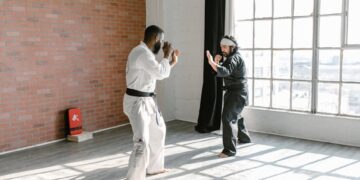
Adopting a stable stance is the starting point for effective self-defense. Keep your legs shoulder-width apart and knees slightly bent. This balanced position provides stability and readiness to move quickly in any direction.
2. Strikes
Striking involves targeting the attacker’s vulnerable spots such as the eyes, nose, throat, and groin. Techniques include:
- Palm Heel Strike: Use the base of your palm to strike upwards or forwards to the nose or chin of the attacker, which can stun them, giving you time to escape.
- Elbow Strike: Effective in close quarters, an elbow strike can be directed to the face, chest, or ribs of the attacker.
3. Kicks
Kicks can be powerful tools, especially when maintaining distance from an attacker. Key techniques include:
- Front Kick: Delivered to the midsection, this kick can push an attacker back and off-balance.
- Knee Strike: When close, a knee to the attacker’s stomach or groin can incapacitate them briefly.
4. Blocks and Deflections
Avoiding or minimizing the impact of an incoming attack is crucial. Practice blocking techniques to defend yourself against strikes.
Developing Self-Defense Skills
Consistent practice is vital in mastering these skills. Here are some tips for developing your abilities:
- Enroll in a Martial Arts Class: Joining classes for martial arts like Krav Maga, Brazilian Jiu-Jitsu, or Muay Thai can provide structured training and real-life practice scenarios.
- Regular Practice: Even basic practicing moves at home can improve your muscle memory, increasing your reaction time in actual confrontations.
- Self-Defense Workshops: These workshops often focus on scenario-based training, which is invaluable for understanding what to do in real situations.
FAQs on Unarmed Combat and Self-Defense
Is Self-Defense the Same as Fighting?
No, self-defense is about protecting oneself in the safest and most effective way possible, which often means escaping harm rather than engaging in a fight.
How Can I Improve My Reaction Time in Threatening Situations?
Regular training and maintaining a high level of physical fitness can significantly enhance your reaction time. Mindful practices like meditation can also improve your mental reflexes.
Are Self-Defense Moves Difficult to Learn?
Many basic self-defense techniques are simple and can be mastered with practice. However, becoming proficient at more advanced techniques typically requires professional instruction and continued practice.
Conclusion
Mastering unarmed combat for self-defense is an empowering journey that enhances your physical and mental strength. By understanding the basic principles, learning effective techniques, and engaging in continuous practice, you can significantly improve your ability to protect yourself and your loved ones. Remember, the goal of self-defense is to avoid harm and get to safety, making these skills invaluable for anyone interested in personal security and peace of mind.
Always stay alert, stay safe, and be prepared to defend yourself with confidence and authority.