Mastering Confidence and Safety: Exploring the Transformative Power of Self-Defense Classes
In today’s society, where safety concerns are increasingly prominent, mastering the skills to defend oneself is more crucial than ever. Self-defense classes do not just prepare you to fend off an attacker; they also equip you with the confidence to face everyday challenges. This article delves into the multifaceted benefits of self-defense training, addresses common questions, and highlights how such programs can transform lives by boosting confidence and ensuring personal safety.
What are Self-Defense Classes?
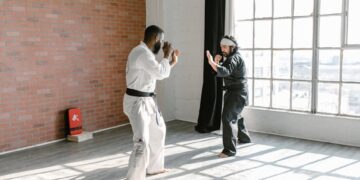
Self-defense classes teach techniques and strategies to protect oneself from physical harm. These programs are designed for people of all ages and skill levels, covering a range of defensive tactics tailored to real-world scenarios. From martial arts like Karate and Taekwondo to more specialized programs focusing on street-smart defense techniques, these classes offer valuable lessons in personal protection and fitness.
The Psychological Benefits: Boosting Confidence
One of the transformative effects of self-defense training is the significant boost in self-confidence it offers. Participants learn to trust their instincts and make quick decisions, which translates into greater self-assurance in daily life. This newfound confidence can improve performance at work, strengthen interpersonal relationships, and create a positive self-image.
- Increased Assertiveness: Regular training sessions encourage individuals to hone their assertiveness, learning to stand up for themselves in confrontational situations without resorting to violence.
- Fear Management: Understanding and practicing self-defense tactics reduces fear and anxiety, empowering individuals to handle unexpected situations with calm and composure.
The Physical Advantages: Enhancing Safety
Beyond the psychological impact, self-defense classes provide physical benefits that enhance personal safety. Training typically involves rigorous physical activity that improves strength, agility, and endurance. This physical conditioning is crucial not only for self-defense but also for overall health and well-being.
- Improved Reaction Times: Self-defense training sharpens reflexes, allowing individuals to react swiftly and effectively to threats.
- Strategic Self-Protection Skills: Instructors teach vital striking and blocking techniques, as well as how to break free from an attacker’s grasp.
Choosing the Right Self-Defense Program
Selecting an appropriate self-defense class is essential to ensuring the training is effective and enjoyable. Consider the following when choosing a program:
- Instructor Expertise: Look for certified instructors who not only have technical skill but also the ability to teach students of varying abilities and backgrounds.
- Class Environment: The atmosphere should be supportive and encouraging, with a focus on building strength and confidence rather than fostering fear.
- Practical Skills: Ensure the curriculum includes practical defense techniques that can be applied in real-life situations.
Common Questions about Self-Defense Classes
1. Are self-defense classes suitable for beginners?
Yes, most programs are designed to accommodate individuals at all levels of fitness and proficiency. Instructors typically adjust techniques and pacing to meet the needs of beginners.
2. Can children participate in self-defense classes?
Children can greatly benefit from age-appropriate self-defense classes, which focus on safety awareness and basic protective skills. Such training also helps build confidence and discipline from a young age.
3. How often should I attend self-defense classes to see a significant improvement?
The frequency of training can vary, but for sustained improvement and skill retention, participating in classes at least twice a week is recommended.
The Impact on Community Safety
When individuals take self-defense classes, the benefits extend beyond personal safety; the entire community can become safer. A population that is confident in its ability to handle threats is less likely to be targeted by criminals. Additionally, the principles of respect, discipline, and mindfulness promoted in self-defense classes can lead to a more harmonious community.
Conclusion
Self-defense training offers more than just the ability to protect oneself; it is a comprehensive approach to personal development and community safety. The confidence and skills gained from these classes empower individuals, enhance their quality of life, and foster a safer society. Whether you are looking to build confidence, improve fitness, or ensure personal safety, self-defense classes provide an invaluable resource for all ages and backgrounds.
Embracing the power of self-defense training will not only transform your own life but also contribute positively to societal safety and well-being. Join a class today and start your journey towards mastering confidence and safety!