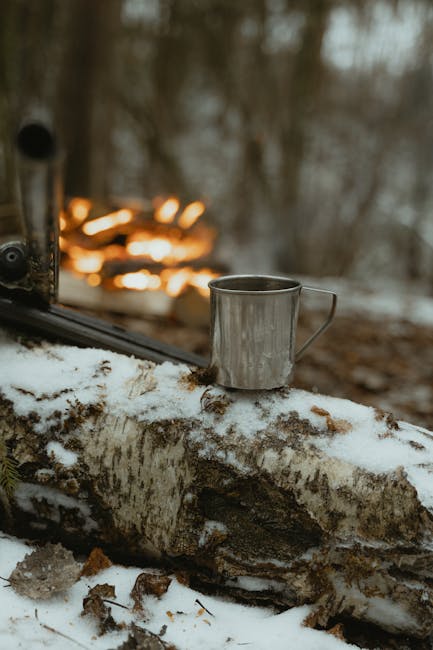
Harmony Under Leaves: Discovering Natural Shelter in the Wild
In the quest for shelter and survival in the wilderness, understanding how to utilize the natural environment effectively can prove vital. Nature offers a bounty of resources that, when used wisely, can provide excellent shelter. This article explores the intriguing concept of finding and creating natural shelters under leaves and the broader vegetation available in the wild.
The Importance of Natural Shelter
Finding shelter is one of the primary concerns for anyone stranded in a natural environment. The right shelter can shield you from harsh weather, provide warmth, and even boost your mental state by offering a sense of security. Therefore, learning how to craft a natural shelter is an essential skill for any adventurer.
Types of Leaf-Based Shelters
1. Leaf Hut
One of the simplest yet most effective forms of leaf-based shelter is the leaf hut. This structure is made by creating a frame of sturdy branches, then densely packing layers of leaves over it. The thickness of the leaves provides insulation and water resistance, making it an ideal choice in many different environments.
2. Debris Tipi
Similar to the leaf hut, a debris tipi is constructed using a conical frame of long sticks, with the spaces filled in with leaves, moss, and smaller twigs. This shape is particularly effective at shedding rainwater and can be easily scaled up or down depending on the number of occupants.
3. Burrow Shelter
In environments where leaves are abundant on the ground, crafting a burrow-style shelter can be advantageous. This involves digging a slight pit or using the natural contour of the land to create a hollow, which is then covered with branches and a thick layer of leaves to provide warmth and moisture protection.
Choosing the Right Leaves
Not all leaves are suitable for shelter construction. Large, broad leaves tend to be preferable as they provide more coverage and better water resistance. Some of the best leaves for shelter include:
- Maple Leaves: Large and abundant in many parts of North America.
- Magnolia Leaves: Thick and waxy, these leaves are excellent for waterproofing.
- Palm Fronds: Ideal in tropical climates, these large leaves can be overlapped to create effective roof shingles.
Location is Key
The location of your shelter is as important as how it’s built. When selecting a site, consider the following:
- Proximity to water: Being close to a water source is essential, but not so close that flooding is a risk.
- Natural windbreaks: Use natural land formations or dense vegetation to shield your shelter from prevailing winds.
- Safety: Avoid areas with signs of wildlife, dead trees that might fall, or unstable ground.
Building Techniques and Considerations
Foundation
Start with a strong foundation by selecting sturdy branches or logs for the base of your shelter. This will ensure stability and raise the sleeping area off the ground, keeping it dry.
Insulation and Waterproofing
After constructing the frame, begin layering leaves starting from the bottom and working your way up like shingles. This method helps in shedding water effectively. Don’t forget to pack the leaves tightly to increase the insulation properties.
Entrance and Ventilation
Your shelter should have a small entrance to conserve heat. If possible, position the entrance away from the wind. Ensure there is enough ventilation to prevent condensation and provide fresh air.
Common Questions About Leaf Shelters
How long does it take to build a leaf shelter?
Depending on the type and size, a basic leaf shelter can take a few hours to half a day to construct.
Are there any risks with leaf shelters?
The primary risks include insect bites or the presence of animals. Always inspect and, if possible, process your materials to minimize these risks.
How effective are leaf shelters in different climates?
Leaf shelters can be incredibly effective if built properly. However, they are more suited for temperate to tropical climates. In colder regions, you may need additional insulation from the snow or even a different type of shelter.
Conclusion
Mastering the skill of building a shelter with natural materials like leaves not only connects us more deeply with nature but possibly saves lives in survival situations. By understanding different types of leaf shelters, choosing the right materials, and constructing them thoughtfully, adventurers can enjoy safe, comfortable, and environmentally integrated shelters away from the comforts of modern technology.