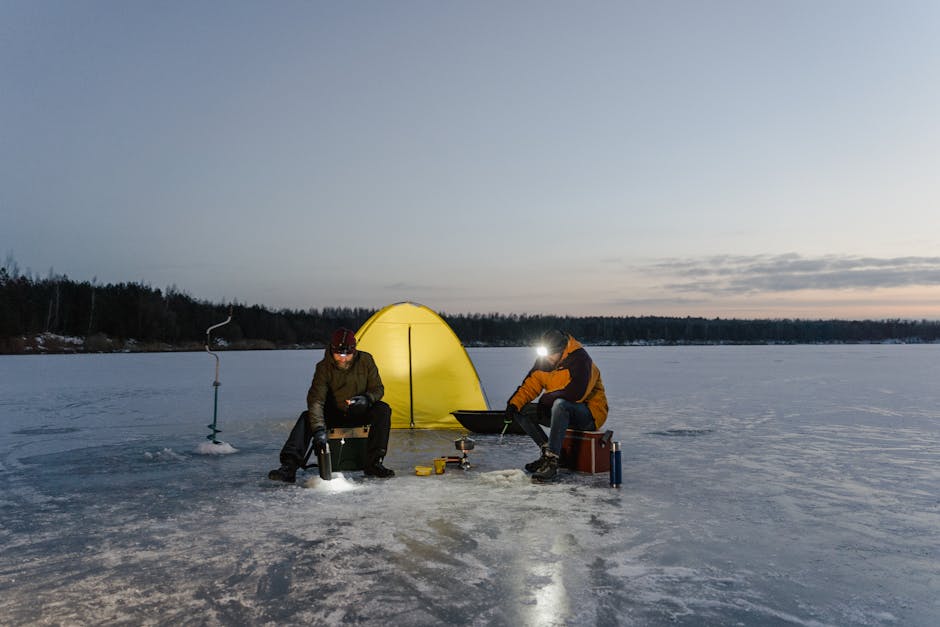
Flares in the Darkness: How to Signal for Help in Emergent Situations
In emergencies, especially those that occur in remote or hard-to-reach areas, getting the attention of rescuers can be a matter of life and death. Among the various methods available for signaling for help, flares remain a critical and highly effective tool. This article explores the types of flares used for emergency signaling, how to use them safely, and other essential tips for distress signaling.
Types of Flares for Emergency Situations
Pyrotechnic Flares
Pyrotechnic flares are the most common type. They emit a bright, intense light or fire for a short duration and can be seen from great distances. There are two main types:
- Handheld flares: Generally burn for about 1 to 3 minutes and are useful for close-range signaling where rescuers are already nearby.
- Aerial flares: Can reach altitudes of up to 300 meters, making them visible over long distances and useful for signaling aircraft.
Non-Pyrotechnic Flares
Non-pyrotechnic flares include electronic devices that emit LED lights. These are reusable and safer than traditional pyrotechnic flares, but may not be as visible under certain conditions.
How to Use Flares Safely
Using flares can be dangerous if not handled correctly. Here are some tips on how to safely use them:
- Read Instructions: Always read the manufacturer’s instructions before using a flare.
- Point Away from Body: Ensure that the flare is pointed away from yourself and any other people or flammable materials.
- Use Gloves: Protect your hands from burns by wearing gloves.
- Dispose Properly: After use, ensure flares are completely extinguished and cool before disposal.
Emergency Signaling Techniques
When you are in distress, it’s crucial to know how to signal effectively. Here are some strategies:
Contrast and Visibility
Your signal needs to stand out against the background. At night, any light source will be highly visible, but ensure aerial flares are used where they can be seen against the sky, not obscured by trees or other obstacles.
Three Signal Rule
In many parts of the world, three of any signal (flares, whistle blasts, etc.) is universally recognized as a distress signal.
Strategic Timing
If you’re limited in the number of flares or electronic signal devices, use them sparingly and considerately to ensure they lead to actual rescue. Don’t waste flares during the day if they are more effective at night unless necessary.
Common Questions About Using Flares
When Should I Use a Flare During an Emergency?
Use a flare when you believe it’s likely to be seen by potential rescuers. This could be when you hear a search party, see a boat or aircraft, or in response to other signs of rescue.
Are Flares Legal to Carry?
The legality of carrying flares depends on the jurisdiction, so always check local regulations, especially if traveling.
How Long Do Flares Last?
It varies by type but typically, handheld flares burn for about 1 to 3 minutes, while aerial flares may only last about 15 to 30 seconds after reaching altitude.
Tips for Increasing Chances of Being Rescued
Stay Put
If you’re lost, it’s usually best to stay in one place where rescuers can find you. Use flares and other signals from a high, open spot.
Keep Essential Tools
Always carry a basic survival and signaling kit when venturing into remote areas. Include various types of signals like mirrors, whistles, and flares.
Practice Regularly
Know how to use each piece of equipment before you actually need it. Regular practice can make a significant difference in an emergency.
Conclusion
Flares are a proven method for signaling distress and attracting attention in emergency situations. Whether it’s through the bright blare of a pyrotechnic flare slicing through the darkness or the persistent flash of an electronic beacon, knowing how to properly use these devices is crucial. Preparing beforehand, understanding the proper techniques, and adhering to safety measures can greatly increase your chances of survival and rescue in times of crisis. Always be equipped, be aware, and be ready to use whatever means necessary to signal for help when it matters most.
Incorporating these strategies for using flares and other signaling devices will not only prepare you for emergencies but will also enhance your ability to navigate any crisis effectively. Always remember, the best rescue is the one you can avoid by planning, preparation, and prevention.