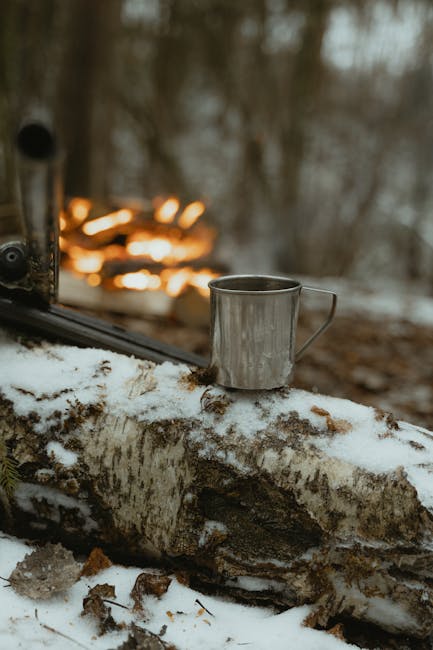
Exploring Nature’s Haven: The Secrets of Natural Shelter
Nature offers an abundance of secrets waiting to be uncovered by the adventurous and the curious. One of these secrets is the art of finding and making natural shelters. These shelters not only provide safety from the elements but can also enhance your connection with the environment. This comprehensive guide explores the techniques, benefits, and essential tips for utilizing natural shelters, helping both novice explorers and seasoned outdoors enthusiasts thrive in the wilderness.
Understanding the Basics of Natural Shelters
Natural shelters refer to structures made from the materials supplied by the environment, tailored to shield you from weather conditions and potentially dangerous wildlife. They range from simple debris huts to more sophisticated structures like lean-tos or snow caves. Crafting these shelters requires not only skill and patience but also a deep respect and understanding of nature.
Types of Natural Shelters
- Debris Hut: This is a simple survival shelter consisting of piled vegetation (leaves, branches, moss) over a basic frame made of larger branches.
- Lean-to: Created by leaning branches against a solid structure like a fallen tree or rock face, and then layered with smaller materials to insulate.
- Snow Cave: If you find yourself in snowy environments, a cave made within the snow can serve as an effective shelter against harsh winds and low temperatures.
Each type of shelter has its specific context and environment where it is most effective. Selecting the right type based on climate, available materials, and urgency is key to a successful outdoor experience.
Benefits of Utilizing Natural Shelters
Natural shelters offer more than just protection. Building and using natural shelters can have several profound benefits:
- Sustainability: Using materials that are readily available reduces the impact on the environment compared to man-made shelters that often involve synthetic materials.
- Survival Skill Enhancement: Learning how to build a shelter in various environments sharpens critical thinking and improvisation skills, valuable in any unforeseen circumstances.
- Connection with Nature: Constructing and living in a natural shelter brings you closer to the earth, enhancing your appreciation and respect for nature.
How to Build a Natural Shelter: Key Steps and Tips
Building an effective shelter requires understanding a few critical principles of wilderness survival:
Location
Select a site that is safe from natural hazards like falling branches, flooding, and avalanches. However, it should also be close enough to resources such as water and firewood.
Construction
Start with a sturdy frame, usually triangular in shape to shed elements effectively. Layer smaller branches and leaves for insulation and water resistance. Ensure the interior is spacious enough to lie down but snug enough to conserve body heat.
Insulation
During colder weather, insulation is crucial. Layer the walls and floor of your shelter with leaves, moss, or even snow, depending on the environment. This barrier will trap the heat and keep the cold at bay.
Waterproofing
Integrate elements that repel water such as bark or upward-facing leaves into the design to keep the shelter dry during rainfall.
Addressing Common Questions
How long does it take to build a natural shelter?
Building a decent natural shelter can take anywhere from 1 to 4 hours, depending heavily on the complexity of the design and personal skill level.
Are natural shelters safe?
When constructed properly and thoughtfully positioned, natural shelters are quite safe. They are designed to offer protection against common outdoor hazards.
What materials work best for a wilderness shelter?
Lean on the robust, yet flexible materials you can find around you. Strong branches, thick foliage, and natural fibers can be adapted into effective shelters.
Maintaining and Exiting Your Natural Shelter
Though temporary, maintaining your shelter is important. Regular checks for potential leaks or weak spots along with timely repairs keep the structure functional and safe. When it’s time to leave, ensure that you dismantle your shelter and scatter the natural materials back into the environment, adhering to Leave No Trace principles to minimize your impact on the ecosystem.
Conclusion
Embracing the challenge of creating and using a natural shelter not only develops your survival skills but also deepens your bond with the natural world. As with all outdoor pursuits, understanding and respecting the forces of nature, coupled with proper preparation, are your best tools. So the next time you step into the wild, consider building your own shelter as an enriching part of your adventure.
By understanding these secrets of natural shelter, you not only equip yourself with valuable outdoor skills but also ensure a more sustainable and fulfilling interaction with nature’s wonders.