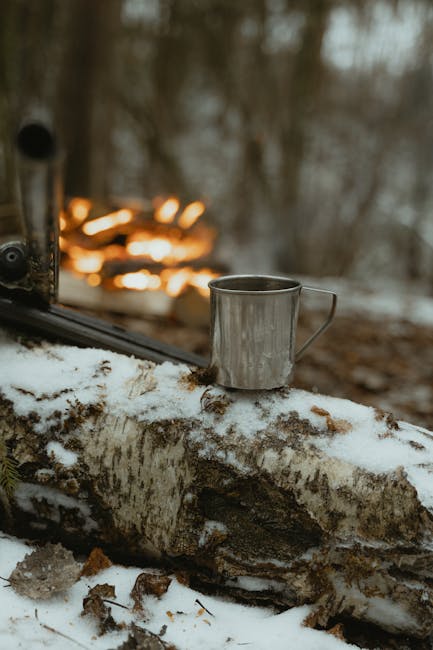
Essentials of Fire Craft: Mastering the Art of Building a Blaze
In the realm of outdoor survival, crafting a fire not only provides warmth and a means to cook food but also boosts morale and signals for help. Mastering the delicate art of building a fire is fundamental for any wilderness adventurer. This guide delves into the essential techniques and considerations necessary to adeptly build and maintain a fire, ensuring your outdoor experiences are safe, enjoyable, and sustainable.
Why Building a Fire Is a Key Survival Skill
Importance of Fire in Survival Situations
Fire serves multifunctional purposes in survival situations. It can:
- Provide heat and ward off hypothermia
- Boil water to make it safe for drinking
- Cook food, making it digestible and free from pathogens
- Serve as a signal for rescue teams
- Keep predators and insects at bay
- Offer psychological comfort in adverse conditions
Understanding how to efficiently start and maintain a fire is crucial for any outdoor enthusiast.
Choosing the Right Location and Setup
Selecting an Ideal Spot
Choosing the correct location for your fire is imperative to ensure safety and efficiency. Factors to consider include:
- Safety: Clear the area of any flammable materials and build your fire well away from tents and overhead branches.
- Wind protection: Use natural wind barriers or construct a windbreak if needed.
- Regulation compliance: Always check local guidelines and make sure fires are permitted in the area.
Preparing the Fire Site
After selecting a spot, prepare the ground by scraping away loose debris, digging a shallow pit, and surrounding it with rocks. This containment helps prevent the spread of the fire.
Gathering and Preparing Fire Materials
Types of Firewood
- Tinder: Includes small twigs, dry leaves, or specially prepared material like dryer lint. Tinder must be dry as it’s the first to ignite.
- Kindling: Small sticks roughly the width of a pencil that catch fire from the tinder.
- Fuel wood: Larger pieces of wood that will burn for a longer duration, sustaining the fire.
Arranging Your Materials
Popular methods include the teepee, lean-to, and log cabin arrangements—each has its benefits depending on the situation and desired outcome. For example, a teepee setup allows for ample airflow and quick ignition.
Lighting the Fire
Choosing Your Ignition Source
Common ignition sources include:
- Matches or lighters
- Ferrocerium rods
- Battery and steel wool
- Solar methods like magnifying glasses
The key here is redundancy; always have multiple ignition sources as backups.
Techniques for Effective Ignition
Focus on lighting the tinder first and gradually add kindling as the flames establish. Avoid smothering the flames by adding too much wood too quickly.
Maintaining and Safely Extinguishing the Fire
Keeping the Fire Going
Once the fire is lit, maintenance is simple but crucial. Regularly add fuel wood to keep it burning, and adjust the setup as needed to manage the fire’s intensity and size.
Extinguishing Your Fire Properly
Safety doesn’t end once the fire has served its purpose. To extinguish your fire:
- Allow the wood to burn down to ash, if possible.
- Douse with water, thoroughly soaking the ashes.
- Stir the remains and apply more water.
- Check the site to ensure no embers remain that could reignite.
Common Questions About Building a Fire
Can You Build a Fire in the Rain?
Yes, but the challenge is greater. Protect your fire site with a tarp and focus on keeping your tinder and kindling dry. Use naturally waterproof materials like birch bark or fatwood if available.
Which Woods Burn Best?
Hardwoods like oak and maple provide longer-lasting fires due to their density. Softwoods like pine ignite easier but burn faster and are better suited for kindling.
What Are Some Eco-Friendly Fire Building Tips?
- Use dead and downed wood rather than cutting live trees.
- Keep fires small to minimize their impact.
- Ensure fires are completely extinguished before leaving the site.
Enhance Your Outdoor Experience
Mastering the art of fire craft not only enhances your outdoor survival skills but also deepens your connection with nature. Whether you’re a seasoned camper or a novice adventurer, the ability to build and sustain a fire is an invaluable asset in the wilderness. By practicing safe and responsible fire-building techniques, you ensure both your safety and the preservation of the natural environments you explore.