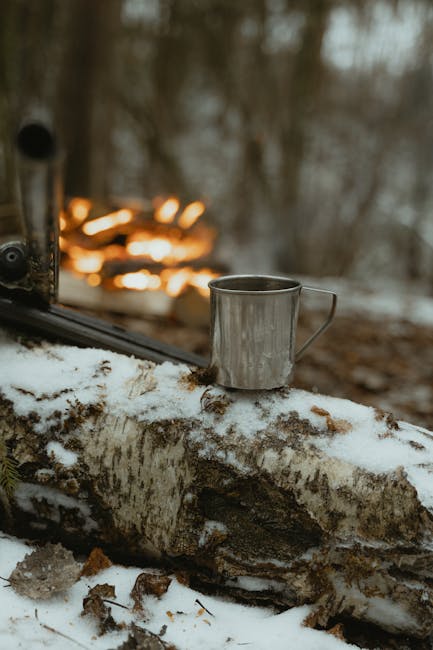
Essentials of Fire Building: Techniques for Sustainable Flames
Mastering the art of fire building is not only a quintessential skill for camping and survival scenarios but also a fulfilling outdoor activity. Whether you’re gearing up for a backcountry adventure or preparing for a cozy evening around a campfire, understanding the fundamentals of constructing and maintaining a fire is crucial. This article will explore various fire-building techniques, offer tips on creating sustainable flames, and answer common questions to enhance your fire-building knowledge.
Understanding the Basics of Fire Building
Before diving into specific techniques, it’s essential to cover the basic requirements for fire building. Three key elements are needed for a fire: heat, fuel, and oxygen. These elements form the “fire triangle,” a concept critical in understanding how fires start and sustain.
Heat serves as the ignition source and can come from a match, lighter, or a friction-based method like a fire bow. Fuel includes any combustible material, typically categorized into tinder, kindling, and logs or larger pieces of wood. Oxygen is crucial for combustion and must be available around and within the fire structure.
Choosing the Right Materials
Selecting appropriate materials is essential for building a lasting fire. Here’s a breakdown:
- Tinder: This is the first material to ignite. Fine, dry materials such as dry leaves, grass, or commercial fire starters work best.
- Kindling: Small pieces of wood or twigs that catch fire from the tinder and help larger logs to ignite.
- Logs: Larger pieces of wood that will sustain the flame once ignited by the kindling.
Always ensure that all materials are dry; moisture dampens fire efficiency and produces excessive smoke.
Fire Building Techniques
There are several methods to lay out your fire materials. Each has its advantages in different situations:
1. Teepee Fire Lay
The teepee (or tipi) method involves arranging kindling sticks around your tinder, creating a cone-shaped structure. This setup focuses heat upwards, aiding in the combustion of larger logs placed over the teepee. It’s ideal for cooking as the structure can be easily fed with additional logs and kindling.
2. Log Cabin Fire Lay
Starting with a tinder bundle at the base, stack logs in a crisscross pattern akin to building a cabin. This method is excellent for a long-lasting fire suitable for warmth and light since it promotes efficient air circulation around the wood.
3. Lean-to Fire Lay
Push a green stick into the ground at about a 30-degree angle, pointing the end into the wind. Place your tinder underneath this stick and lean kindling against it. This method shields your tinder from the wind while still allowing ample air flow.
Maintaining Your Fire
Building the fire is just the beginning; maintenance is key to sustainability. Regularly add kindling and logs as the fire consumes the wood. Space them appropriately to allow for airflow; too much can smother the fire, and too little can cause it to burn out too quickly.
Extinguishing the Fire Safely
Safety should never be compromised. Ensure the fire is completely extinguished by dousing it with water, stirring the ashes, and applying more water. Repeat until the ashes no longer emit heat or steam. Never leave a fire unattended.
Common Questions About Fire Building
How do I build a fire in wet conditions?
Look for dry wood under thick trees or inside logs. You can also carry waterproof tinder or use specifically designed fire starters that burn even when wet.
What are the environmental considerations?
Avoid using live wood. Not only does it produce more smoke, but it’s also less efficient and can damage the environment. Always build fires in existing fire pits or use portable fire pans.
Are there any tools I should have?
While basic fire-building can be done with natural materials alone, a good knife, a hatchet, or a saw can be invaluable for preparing suitable wood.
Conclusion
Learning and mastering fire-building skills enhances your outdoor experiences and preparedness. By choosing the right materials, mastering different fire lays, and understanding fire maintenance and safety, you can ensure that your fires are both successful and sustainable. Remember, the key to great fire-building lies as much in preparation as it does in the execution.
Whether you’re seeking the warmth of a campfire under the stars or need an emergency heat source in backcountry survival scenarios, these techniques will help you build a reliable, safe, and environmentally conscious fire.