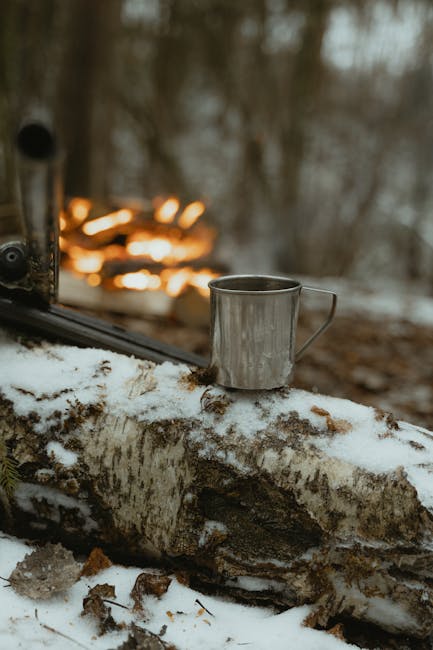
Essentials of Crafting a Reliable Fire
Starting a fire is a fundamental survival skill, yet many struggle to light a flame that lasts. Whether you’re camping in the wilderness, enjoying a beach bonfire, or seeking warmth during a power outage, understanding the essentials of fire-making is crucial. This comprehensive guide covers techniques, safety measures, and frequently asked questions to help you master the art of crafting a reliable fire.
Choosing the Right Location
Securing an appropriate spot for your fire is the first step. Select a location that is sheltered from wind, away from overhanging branches, and at least 15 feet from tents or flammable materials. Many campsites provide fire rings; these are ideal as they are designed to contain and control fires safely. If one isn’t available, prepare a fire bed by clearing a patch of ground to bare earth to reduce the chance of the fire spreading.
Gathering Materials
The three types of material you need for a fire are tinder, kindling, and fuel wood:
- Tinder: This is the small, dry material that will catch fire easily. Good options include dry leaves, grass, wood shavings, or commercial fire starters.
- Kindling: This includes small sticks, typically less than an inch in diameter, that can catch fire from the tinder and help build a bigger flame.
- Fuel Wood: These are larger pieces of wood that burn longer and sustain your fire. Choose a variety of sizes to help build and maintain the fire.
Fire Building Techniques
There are several methods to build a fire, but two popular and reliable structures are the Teepee and the Log Cabin.
Teepee Fire Lay
This structure involves placing your tinder bundle in the center and constructing a teepee around it with your kindling. Gradually add larger pieces of kindling followed by your smallest pieces of fuel wood. The teepee structure allows air to circulate freely, enhancing combustion.
Log Cabin Fire Lay
The Log Cabin starts with a small teepee as the core. Around this core, stack larger pieces of kindling and fuel wood in a square formation, building upward like a log cabin. This structure is stable and good for cooking as it creates a stable base for placing pots or pans.
Lighting the Fire
Once your structure is built, the next step is to light the fire. Aim your match or lighter at the base of the tinder, ensuring it catches properly. Avoid smothering the flame with too quick additions of kindling or fuel wood. Instead, gently feed the fire, allowing it to grow steadily.
Maintaining Your Fire
As your fire establishes, continue to add fuel wood, placing the larger logs around the outside to be gradually pushed towards the center as they catch. This method keeps the fire burning steadily and extends its duration. Always pay attention to the fire’s needs, adding more wood as necessary and adjusting the structure to maintain good airflow.
Fire Safety Tips
Fire safety cannot be overstressed. Always have a means to extinguish the fire quickly if necessary—a bucket of water or sand can be effective. Never leave a fire unattended, and ensure it is completely extinguished before leaving the site. Stir the ashes and apply water, repeating until the ashes no longer emit heat or smoke.
Frequently Asked Questions about Making a Fire
What can be used as tinder if natural materials are wet?
If natural tinder sources are damp, turn to carried alternatives like lint from your dryer, waxed cardboard strips, or purpose-made commercial fire starters that are designed to work even when wet.
How do you sustain a fire in windy conditions?
In windy conditions, build a windbreak using natural features or create one with rocks and logs. Position your fire so that the wind blows the flame towards the fuel but not so strong as to extinguish it. Monitor and control the fire closely under such conditions.
What are the environmental considerations when building a fire?
Always consider the potential impact of your fire on the environment. Use existing fire rings or fire pits whenever possible, avoid cutting live trees, and follow all local regulations regarding fire, including bans during dry periods.
Conclusion
Mastering the craft of building a reliable fire requires practice, respect for nature, and adherence to safety protocols. By using the right materials, choosing an ideal location, and applying practical fire-building techniques, you can ensure not only the success of your fire but also the safety and enjoyment of all those gathered around its warm glow. Remember to preserve the pristine condition of the outdoors, leaving no trace that you ever lit a fire, except in your memories.
Building a fire is more than just a survival skill; it’s a way to connect with nature, bond with fellow travelers, and enjoy a primitive yet profoundly satisfying aspect of human history. So, the next time you strike a match outdoors, consider these tips and tricks for crafting a reliable, enjoyable, and safe fire.