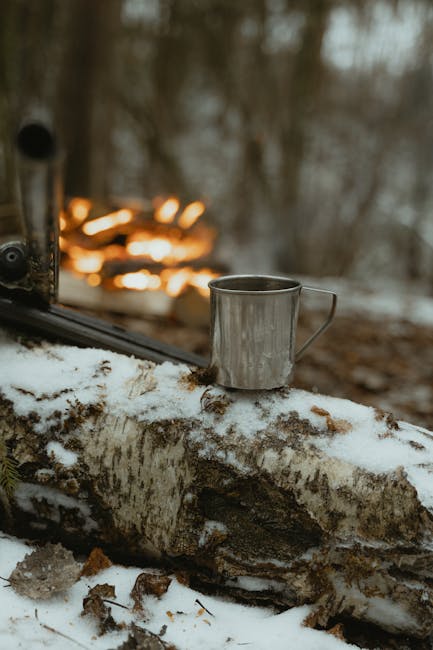
Essentials for Staying Alive: The Ultimate Guide to Building Your Survival Kit
Introduction to Survival Kits
When faced with unexpected emergencies or natural disasters, having a well-prepared survival kit can make a significant difference in staying alive and safe. Whether you’re dealing with extreme weather, a stranded situation, or unforeseen crises, a survival kit tailored to your specific needs is invaluable. This guide will help you understand the critical components of a survival kit, answering common questions and offering expert advice to ensure maximum preparedness.
Understanding the Basics of a Survival Kit
A survival kit consists of supplies and tools prepared in advance as an aid to survive in emergencies. Key elements include items for sustenance, warmth, communication, navigation, and first aid. Each kit should be customized based on the environment, potential challenges, and the duration of expected use.
Choosing the Right Bag
The first step in assembling your survival kit is selecting an appropriate bag. Opt for durable, waterproof, and easy-to-carry options. Backpacks with multiple compartments help organize supplies efficiently, while bright colors increase visibility in rescue scenarios.
Critical Components of a Survival Kit
To optimize your chances of survival, certain essentials must be included in your kit. Here’s what you need to pack:
Water and Hydration Solutions
Water is vital for survival, making hydration a top priority. Include several purified water bottles and water purification tablets or a portable water filter. The CDC recommends a minimum of one gallon of water per person per day for drinking and sanitation.
Food and Nutrition
Pack non-perishable, high-energy, and easy-to-prepare food items. Energy bars, dried fruits, nuts, and ready-to-eat meals are excellent choices. Consider food allergies and dietary restrictions of the group.
Shelter and Warmth
Protect yourself from harsh conditions with emergency space blankets, which reflect body heat to keep you warm. Include a waterproof and windproof tent or a bivouac sack to shelter from the elements.
First Aid Supplies
A comprehensive first aid kit is crucial. Include bandages, antiseptic wipes, antibiotics, pain relievers, and medications for specific health conditions. Regularly check expiration dates and update your kit accordingly.
Tools and Equipment
Effective tools are multi-functional, such as a Swiss Army knife or a multi-tool. Add a flashlight with extra batteries, a hand-crank radio for updates, and a reliable fire-starting method like waterproof matches or a lighter.
Communication Devices
In the event of cellular network failures, have alternative communication methods. A battery-powered or hand-crank radio can receive emergency broadcasts, and a whistle can signal for help.
Navigation Aids
Include local maps and a compass, or a GPS device to navigate unfamiliar territories, especially useful when hiking in remote areas or during evacuations.
Personalizing Your Survival Kit
Personalize your survival kit to reflect personal needs and the specific situation. For those with prescriptions, include a spare supply of medication. Families with infants must remember baby supplies, and pet owners should add items for their animals.
Seasonal Considerations
Adjust your kit to accommodate seasonal changes: extra sun protection for summer, thermal blankets for winter, and waterproof gear for the rainy season.
Tips for Maintaining Your Survival Kit
Regular maintenance is essential to ensure your survival kit’s effectiveness:
- Check all items biannually and replace expired or damaged supplies.
- Ensure electronic devices function properly and batteries are fresh.
- Reassess your kit’s relevance as family needs and numbers change.
Conclusion
Building and maintaining an efficient survival kit is crucial for safety during emergencies. By understanding the essentials and tailoring your kit to your specific needs, you can significantly improve your chances of survival in any situation. Remember, the best strategy is always to prepare ahead.
FAQs on Survival Kits
1. How often should I update my survival kit?
Inspect and update your survival kit every six months to ensure all items are functional and up-to-date.
2. What is the most overlooked item in a survival kit?
Personal sanitation items are often overlooked. Include soap, toothbrushes, and other hygiene products to maintain health.
3. Can I build a survival kit for my car?
Yes, assembling a specialized car survival kit is highly recommended, especially for those frequently driving in remote areas. This should include automotive emergency tools, flares, and additional water supplies.
This comprehensive guide not only equips you with the essential knowledge for building a functional survival kit but ensures you’re well-prepared for any adversities that may come your way.