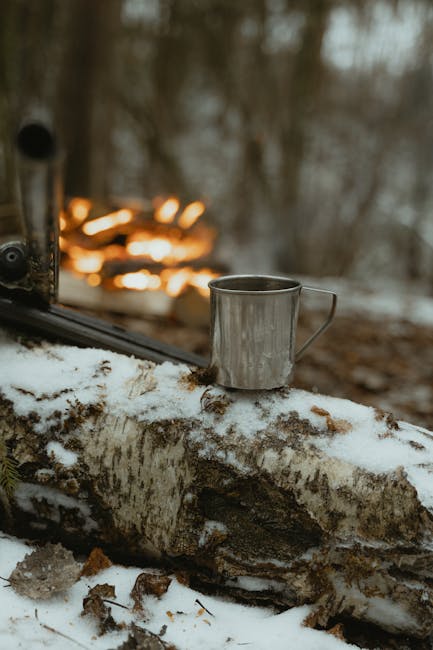
Essential Survival Skills for Thriving in the Wild
Exploring the wilderness can be an exhilarating experience. Yet, nature’s beauty comes with its own set of challenges. Whether you’re planning a lengthy backcountry hike or a short camping trip, it’s crucial to be equipped with essential survival skills. This comprehensive guide will delve into the key techniques and knowledge you need to thrive when venturing into the wild, enhancing your preparedness and confidence.
Understanding Basic Wilderness Survival
Survival in the wild starts with a foundational understanding of basic skills. Anyone stepping into the wild should equip themselves with knowledge regarding navigation, shelter building, water sourcing, and emergency signaling. Addressing these aspects can significantly increase your chances of not just surviving but thriving in nature’s unpredictability.
1. Navigation Essentials
Getting lost is a common concern when in unfamiliar territory. Modern technology, like GPS devices, has made navigation much easier, but it’s wise to also master traditional methods like map reading and using a compass. Familiarize yourself with the natural environment you plan to explore by studying regional maps and understanding terrain features.
2. Shelter Building
Exposure to the elements can lead to hypothermia or heatstroke, both of which can be fatal. Knowing how to build a shelter is paramount. Practice building different types of shelters, such as lean-tos and debris huts, which utilize readily available materials like branches, leaves, and snow.
3. Water Sourcing and Purification
Hydration is critical for survival. Always have a method to purify water, whether through boiling, chemical treatments, or a portable filter. Knowing how to locate water sources in different environments (streams in forests, water vines in jungles, or morning dew in deserts) is equally crucial.
4. Signal for Help
In emergencies, being able to signal for help can make the difference between life and death. Whistles, mirrors for signaling, flares, and fire are some of the most effective tools to signal rescuers. Learning the international distress signals and how to make large visible signs on the ground can also aid in your rescue.
Acquiring Food in the Wild
For extended stays in the wild or unplanned survival situations, knowing how to find and prepare food is vital. This involves recognizing edible plants, basic hunting and trapping techniques, and safe food preparation practices.
1. Identification of Edible Plants and Fungi
Educate yourself on the local flora of the region you’re exploring. Understanding which plants and fungi are safe to eat can provide necessary nutrients and energy. Always carry a guidebook or invest time in learning from experienced foragers.
2. Hunting and Trapping
While not everyone is comfortable with the idea of hunting, in a survival scenario, it can be essential. Simple handmade traps and snares can catch small animals, which can be a crucial protein source. If you’re familiar with the ethics and techniques of hunting, carrying a compact hunting tool like a slingshot or a folding bow can be beneficial.
Firecraft
Mastering fire creation is one of the most quintessential wilderness skills. Fire serves multiple purposes: it provides warmth, cooks food, purifies water, and signals for help. Learn several methods of fire-starting, including using a flint, battery and steel wool, or the traditional bow drill method.
First Aid and Self Care
Possessing first-aid knowledge is indispensable in the wilderness. Prepare a compact, yet comprehensive, first-aid kit and know how to use everything in it. Understand basic wilderness medicine, including how to treat cuts, burns, sprains, and potential wildlife bites. Given the physical demands of surviving in the wild, also focus on maintaining mental health. Skills like stress management are just as crucial for survival.
Learning and Adapting
Survival ultimately depends on your ability to adapt. Read survival stories, take wilderness survival courses, and practice regular trips to sharpen your skills. Moreover, embracing a calm and optimistic mindset can enhance your capability to manage unexpected challenges.
Conclusion
Equipping yourself with these essential survival skills can drastically improve your chances of thriving in the wild. Bear in mind that the key to surviving any situation is preparation and the willingness to learn. As you grow more knowledgeable and experienced, you’ll find that dealing with wilderness becomes a part of your adventurous spirit rather than a daunting challenge.
Whether you are a seasoned explorer or a novice enthusiast, understanding and applying these survival techniques can ensure that every journey into the great outdoors is safe and enjoyable. Remember, the wild is unpredictable, but with the right skills, so are you.
Frequently Asked Questions
What are some easy-to-identify edible plants?
Some universally found and easy-to-identify edible plants include dandelions, clover, and wild onions. Remember to ensure there are no look-alike plants that can be toxic.
How can I learn to read a topographic map?
Many organizations offer courses in reading topographic maps. Online resources and tutorials can also help you understand contour lines, scales, and other important features.
What should be in my first-aid kit for a wilderness trip?
Your kit should include bandages, antiseptic, tweezers, pain relievers, allergy medications, and specific personal medications. Also, consider including a snake bite kit if you’re in a snake-prone area.
Armed with this knowledge and your survival kit, the wild awaits — not just as a challenge, but as a canvas for adventure and self-discovery. Happy exploring!