Essential Survival Skills for Thriving in the Forest
Exploring the wilderness can be an exhilarating experience, fraught with the beauty and unpredictability of nature. However, being prepared with key survival skills is crucial to not only enjoy your time in the forest but also to ensure your safety. Whether you’re a seasoned explorer or a curious trekker, mastering these skills can turn potential hazards into manageable situations.
Finding and Purifying Water
Water is your most crucial resource in survival situations. Locating a sustainable water source is paramount. Look for streams, rivers, or collect rainwater. However, merely finding water isn’t enough — purification is essential. Boiling water is a reliable method, but carrying water purification tablets or a portable filter can save on fuel and time.
Building a Shelter
Adequate shelter is vital for protection against elements and temperature extremes. The type of shelter you’ll need depends on the environment and available materials. A simple lean-to made with branches and leaves can significantly improve your thermal comfort. Ensure your shelter is sturdy, insulated, and away from any natural hazards.
Choosing the Right Location
When setting up camp, avoid low spots that could fill with water or areas under large trees that could drop branches. A spot with natural wind barriers or sunlight can offer temperature control benefits.
Starting a Fire
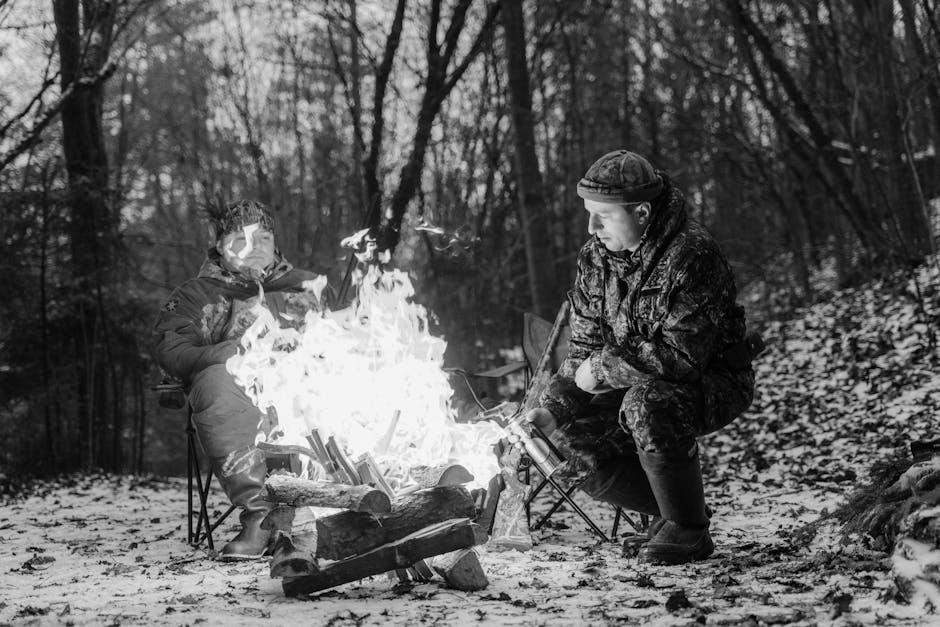
Fire is critical for warmth, cooking, and signaling for help. Always have more than one method for starting a fire. Waterproof matches, lighters, and flint strikers are all viable options. Gather dry tinder and gradually add larger pieces of wood as the fire builds. Remember to respect forest fire guidelines to prevent wildfires.
Navigating and Reading Nature’s Signs
Understanding your basic orientation can prevent getting lost. A compass and a detailed map should always be a part of your gear. Learn to recognize natural indicators like the position of the sun and the moss growth on trees, which usually points towards the north in the northern hemisphere.
Food Procurement
While humans can survive weeks without food, sustaining energy levels is important. Familiarize yourself with edible plants and berries in the area. Fishing and setting snares for small game can also be vital skills, but always adhere to local wildlife regulations to maintain sustainability and legality.
Caution with Wild Edibles
Exercise caution with unfamiliar plants and mushrooms, as many can be toxic. Use a field guide or take a course on local flora before your trip.
Wildlife Encounters
Encountering wildlife is a real possibility in the forest. Educate yourself about the animals you might encounter and learn proper behavior to keep safe. Avoid attracting wildlife to your campsite by securing food and trash.
First Aid and Dealing with Emergencies
Accidents or health issues can arise, hence knowing basic first aid is indispensable. Pack a comprehensive first aid kit and know how to use it. Understand how to treat common injuries and perhaps more important, know when to evacuate if the situation turns critical.
Leaving No Trace
Responsible forest exploration involves minimizing your impact on the environment. Follow the Leave No Trace principles: plan ahead, dispose of waste properly, leave what you find, minimize campfire impacts, respect wildlife, and be considerate of other visitors.
Conclusion
Thriving in the forest requires a blend of respect for nature, preparedness, and the right survival skills. By learning how to manage water, shelter, fire, navigation, and food, along with a responsible attitude towards the environment and wildlife, you can ensure a safe and enjoyable wilderness experience. Remember, every adventure into the woods is a learning opportunity — stay curious and vigilant, and you will not only survive but thrive in the forest.