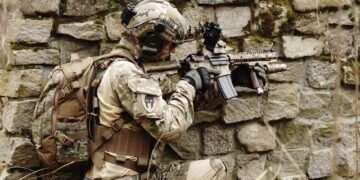
Essential Skills for Survival Camping: Mastering the Outdoors
Introduction to Survival Camping
Nature lovers and adventure seekers often choose survival camping as a way to challenge themselves and enhance their outdoor skills. Unlike traditional camping, survival camping requires you to depend primarily on natural resources and your own abilities to navigate, find shelter, food, and secure water. This comprehensive guide delves into the essential skills you’ll need for effective survival in the wilderness, ensuring you are well-prepared for your next adventure.
1. Navigation Skills
Understanding Basic Navigation Tools
Survival camping often takes place in remote areas where GPS signals can falter. Mastery of a compass and topographic maps is crucial. Learn how to read map symbols and contours, calibrate your compass, and determine your position. Regular practice on short, local hikes can build your confidence and proficiency.
Natural Navigation Techniques
In addition to traditional tools, natural navigation methods — like using the position of the sun, stars, and even certain plant and moss growth patterns — can be indispensable in the wild. Familiarize yourself with these techniques to improve your directional awareness without relying on gadgets.
2. Shelter Building
Choosing a Safe Location
The first step in building a shelter is selecting an appropriate spot. It should be safe from natural hazards and preferably near a water source. Avoid valleys and paths that could become waterlogged if it rains, and choose flat areas that will help in maintaining body heat.
Constructing Different Types of Shelters
Knowledge of how to construct various types of shelters, such as a lean-to, A-frame, or a debris hut, is vital. Each type has its advantages depending on the environment and available materials. Practice building these shelters in different conditions to enhance your adaptability.
3. Water Sourcing and Purification
Finding Water
Water is critical for survival, but not all water sources are safe. Learn to locate water through terrain features. Areas with lush vegetation, valley bottoms, and the presence of birds and insects may indicate nearby water sources.
Purification Methods
Once found, nearly all water in the wild should be considered contaminated. Boiling is the most reliable method of purification, but solar water disinfection (SODIS) and chemical treatment with iodine or chlorine dioxide are effective alternatives. Always carry purification tablets or a small stove as backups.
4. Food Procurement
Foraging for Edible Plants
Foraging is a sustainable way to find food, but it requires knowledge of local flora. Invest in region-specific guides and learn to identify both edible and toxic plants. Taking courses on foraging can also provide practical, hands-on learning.
Hunting and Fishing Basics
If your survival scenario extends beyond a few days, understanding basic hunting or fishing techniques can be beneficial. Learn to make simple traps or fish with minimal gear. Remember, local laws apply, even in survival situations, so familiarize yourself with regulations to avoid legal issues.
5. Fire Making
Mastering Various Fire-Making Techniques
Fire is essential for warmth, cooking, and morale. Learning how to start a fire using flint and steel, a bow drill, or even a battery and steel wool can save your life. Each method requires practice to ensure efficiency under various conditions.
Using Fire Responsibly
Always practice fire safety to prevent wildfires. Use existing fire rings or create a fire bed with stones, and ensure all fires are completely extinguished before leaving the site.
6. First Aid and Emergency Protocols
Basic First Aid Skills
Outdoor environments present unique medical challenges. Understanding how to treat common injuries, manage hypothermia, or address bites and stings can be crucial. A well-stocked first aid kit and knowledge of emergency response techniques are indispensable.
Emergency Communication
In a serious emergency, knowing how to signal for help can make a difference. Learn to use a whistle, create ground signals with available materials, or use a mirror to signal aircraft. Consider carrying a satellite phone or an emergency location beacon in areas with poor cellular coverage.
Conclusion: Preparing for Your Survival Camping Trip
Survival camping can offer an exhilarating yet challenging experience. By mastering these essential skills, you ensure not only your safety but also a greater appreciation of the natural world. Continual learning and frequent practice will enhance your abilities and readiness for any outdoor adventure. Whether you’re a novice or a seasoned camper, each trip can broaden your skills and deepen your connection with nature.
FAQs on Survival Camping
Q1: How long does it take to learn survival camping skills?
Learning basic survival skills can be done within a few weeks, but mastering them takes regular practice and field experience.
Q2: What is the most important survival skill?
While all survival skills have their importance, the ability to purify water and secure a safe shelter are often considered top priorities in most survival situations.
Q3: Is survival camping safe for beginners?
With proper preparation, guidance, and a focus on learning essential skills before venturing out, survival camping can be a safe and enriching activity for beginners.