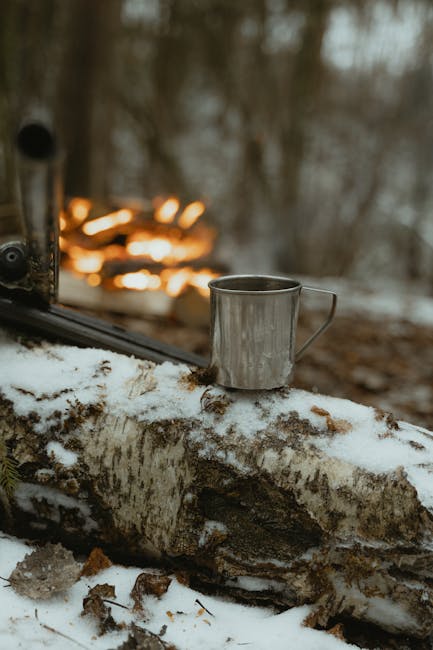
Essential Items for the Ultimate Survival Kit
In today’s world, preparing for natural disasters or unexpected emergencies is not just prudent; it’s necessary. Whether you’re gearing up for a hiking trip or just want to be ready for any unexpected events, having an ultimate survival kit is crucial. This comprehensive guide will walk you through all the essential items you need for your survival kit, tailored to ensure you’re prepared for almost any scenario.
Introduction to Survival Kits
A survival kit is a collection of essential tools and supplies prepared in advance as an aid to survive in an emergency. Natural disasters, car accidents, power outages, and other emergencies can occur at any time, and having a well-stocked survival kit can make a significant difference in your ability to cope effectively.
The Basics: Essential Components of Any Survival Kit
Water and Hydration
One of the most critical components in a survival kit is water. The human body can survive for weeks without food but only a few days without water. Include several liters of water per person per day and consider adding water purification tablets or a portable water filter to ensure access to clean drinking water.
Food Supplies
Include non-perishable, easy-to-prepare food items in your kit. Good options include energy bars, dried fruits, nuts, canned goods with pull tabs, and ready-to-eat meals. Remember to check and replace these supplies regularly to maintain freshness.
Shelter and Warmth
Protecting yourself from the elements is crucial. Essential items include:
- Emergency space blankets or bivvy sacks
- Compact, lightweight tent
- Tarps for additional shelter or ground cover
- Hand and body warmers
These items provide critical warmth and shelter that can protect you from hypothermia in adverse weather conditions.
Tools and Equipment for Survival
Cutting Tools
A reliable knife or multi-tool is essential for any survival kit. It can be used for making tools, preparing food, first aid, and more. Consider a fixed blade for durability and a multi-tool for versatility.
Fire Starters
The ability to start a fire is essential for warmth, cooking, and morale. Include matches, lighters, and a waterproof fire starter kit. Fire-starting materials like tinder or cotton balls dipped in petroleum jelly can also be helpful.
Communication Devices
In many emergencies, communication with the outside world is crucial. A battery-powered or hand-crank radio can help you stay informed, and a fully charged mobile phone with an emergency charger can help you maintain communication lines.
First Aid Kit
A well-stocked first aid kit is a must-have to address minor injuries and possibly more severe health issues during emergencies. At a minimum, your first aid kit should include:
- Bandages and gauze
- Antibiotic ointment
- Antiseptics
- Pain relievers
- Prescription medications
- A first aid manual
Regularly update your first aid supplies to ensure they’re current and complete.
Personal Items and Important Documents
Clothing
Keep an extra set of clothes and sturdy footwear in your survival kit. Depending on your climate, you might also include rain gear and thermal underwear.
Personal Documents
Copies of important documents such as identification cards, passports, and insurance policies should be kept in a waterproof container. You might also include a list of emergency contacts, medical records, and maps of your local area.
Specialty Items for Specific Needs
For Families
Families with babies or small children should include child care supplies such as diapers, baby formula, and baby food.
For Pets
Pet owners should prepare a pet survival kit including food, water, and medications for their animals.
For the Elderly or Disabled
Consider any special needs such as extra medications, specific medical supplies, or mobility aids.
Final Thoughts
Building the ultimate survival kit might seem overwhelming, but starting with these essentials will ensure you are better prepared for most situations. Regularly review and update your kit in response to changing family needs, expirations of items, and insights gained from practice runs and drills.
Remember, the best survival kit is the one that suits your specific needs. Customizing your kit with additional resources tailored to your geographic location, seasonal conditions, and personal requirements will maximize your readiness for any disaster. Your survival kit is your lifeline — keep it accessible, and make sure all family members know where it is and how to use it in an emergency.
Stay safe, stay prepared, and keep informed of the best practices for survival in any condition!