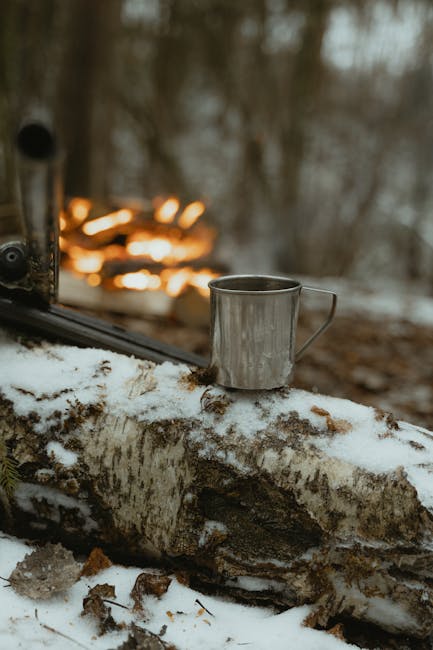
Essential Gear for Wilderness Survival Kits: Be Prepared for Anything
Navigating the wilderness can be an exhilarating experience, but it’s essential to be prepared for any situation. Whether you’re planning a day hike or a multi-day backcountry expedition, having a well-equipped wilderness survival kit is crucial. This guide will walk you through the essential gear you should include in your kit to ensure safety, comfort, and survival in the great outdoors.
1. Water Purification Tools
Access to clean water is perhaps the most critical need in a survival situation. Contaminated water can cause severe illnesses, compromising your ability to survive. Include water purification tablets, a portable water filter, or a UV water purifier. These tools are lightweight, easy to use, and efficient, making them perfect for any wilderness survival kit.
2. Fire Starting Equipment
Being able to start a fire is essential for warmth, cooking, and morale. Pack waterproof matches, a durable flint fire starter, or a magnesium fire starter. Fire-starting equipment is not only crucial for survival but also for signaling help in emergency situations.
3. Navigation Tools
When you’re deep in the woods or hiking off-trail, reliable navigation tools are a must. A compass and a detailed map of the area are indispensable, despite the prevalence of GPS technology, which can fail or run out of power. Consider also carrying a GPS device, but ensure it’s fully charged and you have backup power.
4. First-Aid Kit
A comprehensive first-aid kit is a non-negotiable part of any survival kit. Include items for treating both minor injuries and more serious medical issues that could arise. Bandages, antiseptic wipes, gauze, tape, a pair of scissors, and over-the-counter pain relievers are essentials. Additionally, consider personal medications, a snake bite kit, and a booklet on basic first aid practices.
5. Shelter and Insulation
Exposure to harsh conditions can be life-threatening. Always have an emergency shelter option such as a lightweight tent, space blanket, or even a large plastic trash bag. Insulating materials like a wool blanket or emergency sleeping bag can make a big difference in keeping you warm and protected from the elements.
6. Multi-tool or Survival Knife
A robust multi-tool or a survival knife is vital for various tasks in the wilderness, from preparing food to making repairs or constructing a shelter. These tools are indispensable for cutting branches, repairing gear, and myriad other uses that you might not anticipate until you are in a need.
7. Illumination
Whether you need to navigate at night, signal for help, or simply organize your camp after dark, a reliable light source is essential. LED headlamps offer hands-free operation which is ideal for most tasks, while a handheld flashlight can be useful for tasks requiring directed light. Add some long-lasting glow sticks as backups.
8. Signaling Devices
In an emergency, being seen or heard can make all the difference. Pack a whistle, signal mirror, and even flares if your trip warrants. These devices can help you contact rescuers even if you’re unable to move.
9. Food and Nutrient Supplies
While you can survive for weeks without food, having a supply can help maintain energy levels and morale. Pack high-calorie, non-perishable food items like energy bars, dried fruits, nuts, or ready-to-eat meals. Also, consider a lightweight stove and fuel canister if you plan to cook.
10. Personal Protection and Clothing
Your clothing is your first line of defense against the elements. Dress appropriately for the environment, and remember to pack extra layers such as a waterproof jacket, thermal underwear, and an extra pair of socks. A hat and gloves can be crucial during colder months. Additionally, include some form of personal protection like bear spray when traveling in areas where wildlife encounters are possible.
11. Miscellaneous Items
There are a few other items that, while not absolutely essential, can be life-saving when included in your wilderness survival kit. A notebook and pencil, super glue for repairs, a small sewing kit, and duct tape can be invaluable resources when you’re miles away from civilization.
Conclusion
Equipping yourself with the right survival gear is the key to ensuring safety, comfort, and peace of mind during wilderness adventures. These essential items should be tailored to your specific environment and needs. Remember, the best survival tool is your own preparation and knowledge. Stay safe out there!