Essential Emergency Gear for Unpredictable Situations
In a world where unpredictability is the only certainty, being prepared for emergencies is not just a precaution; it’s a necessity. Whether you find yourself facing natural disasters, power outages, or unexpected wilderness scenarios, having the right emergency gear can be a lifesaver. This comprehensive guide explores the essential emergency equipment that should be part of any preparedness strategy, ensuring safety, confidence, and readiness in a range of unpredictable situations.
Understanding the Basics of Emergency Preparedness
Before diving into specific gear items, it’s crucial to understand the fundamentals of emergency preparedness. The first step is to assess potential risks in your area, whether that’s earthquakes, floods, wildfires, or other regional threats. This understanding will guide you in tailoring your emergency kit to the specific needs and challenges you may face.
Essential Emergency Gear Checklist
Here’s a list of indispensable items that should form the backbone of your emergency preparedness kit:
Water and Filtration Systems
Water is the top priority in any emergency scenario. Store at least one gallon of water per person per day, for at least three days. For added security, include a water filtration system or purification tablets to treat water from unreliable sources.
Food Supplies
Stock up on non-perishable food items that have a long shelf life. These can include canned goods, dried fruits, energy bars, and ready-to-eat meals. Remember to check for dietary restrictions and food allergies within your family or group.
Emergency Lighting
Unexpected power outages require reliable light sources. Flashlights and headlamps are indispensable, and solar-powered or hand-cranked lights offer sustainability in long-term scenarios. Also, maintain a supply of extra batteries tailored to your devices’ requirements.
First Aid Kit
A well-stocked first aid kit is essential for dealing with medical emergencies. Include items like bandages, antiseptic wipes, antibiotic ointment, pain relievers, and prescription medications. Tailoring this kit to include personal medications and specific medical supplies related to health conditions of any group member is crucial.
Communication Devices
In the event of cell service failure, alternative communication tools become vital. Battery-powered or hand-crank radios can provide important updates during a disaster. Consider including a portable charger and solar chargers for maintaining power in electronic devices.
Clothing and Shelter
Ensure you have clothing appropriate for the prevailing weather conditions. This includes moisture-wicking layers, waterproof attire, and thermal wear for cold climates. Emergency shelter options such as tents, space blankets, or even large tarps are critical, especially if you must evacuate your primary residence.
Advanced Gear for Enhanced Safety
For those looking to be exceptionally prepared, consider these additional items:
Multi-Tool and Survival Knife
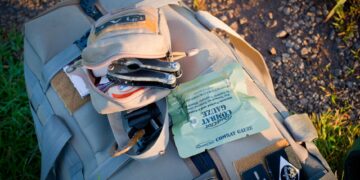
These tools are invaluable in emergency and survival situations. They can aid in building shelter, preparing food, and performing various mechanical tasks essential for safety and survival.
Portable Power Generator
A portable generator can provide crucial backup power to keep lights on and essential appliances running when regular power sources are unavailable. Opt for solar-powered options for an eco-friendly choice.
Fire Starting Equipment
Ability to start a fire is critical for warmth and cooking. Waterproof matches, lighters, and fire starters should be readily available in your kit.
Customizing Your Emergency Kit
While the above items form the core of a standard emergency kit, consider customizing your supplies based on personal needs, location, and the number of people in your household. Special considerations might include items for pets, infants, elderly members, or disabled individuals.
Regular Maintenance of Your Emergency Gear
To ensure effectiveness, regularly update and maintain your emergency kit. Check expiration dates on food and medical supplies, replace used items, and test equipment like flashlights and radios to ensure they are in working order.
Conclusion
Preparing for unpredictable situations with the appropriate emergency gear is imperative for safety and survival. By following this guide, individuals can ensure they are equipped to handle a variety of emergency scenarios. Remember, the best time to prepare is before an emergency occurs. Invest today in comprehensive, reliable supplies that can help protect you and your loved ones when disaster strikes.
FAQs
How often should I replace the water in my emergency supply?
It’s recommended to replace stored water every six months to ensure its freshness and safety.
What is the most overlooked item in emergency preparedness?
Personal documents are often overlooked. Keep copies of important documents like passports, identification cards, and insurance policies in a waterproof container in your kit.
Structured, well-equipped, and maintained, an emergency kit is your frontline defense against the unforeseen. Equip yourself with the knowledge and supplies to face unexpected challenges head-on, ensuring peace of mind in turbulent times.