
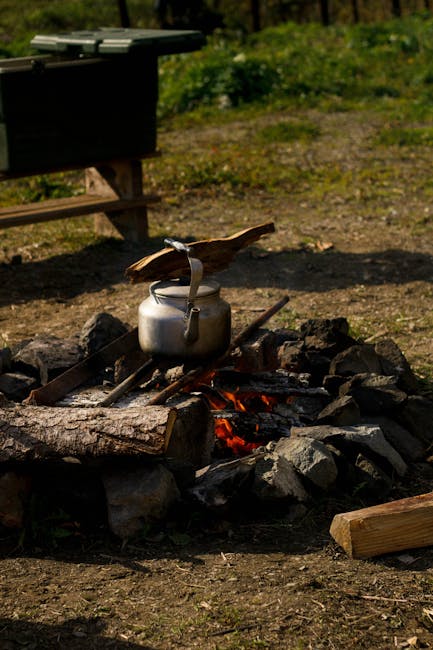
Essential Edible Plants for Wilderness Survival
Surviving in the wilderness requires knowledge, skills, and the right mindset. One crucial skill is the ability to identify and utilize edible plants that can provide necessary nutrients and energy to sustain oneself in the wild. This comprehensive guide will explore various essential edible plants ideal for wilderness survival, showcasing their benefits, identification tips, and common uses. Whether you are a seasoned survivalist or a novice outdoors person, understanding these plants can significantly enhance your survival capabilities.
Understanding the Importance of Edible Plants in Survival
Edible wild plants are a vital component in wilderness survival. They are often rich in vitamins and minerals, which can help maintain energy levels, hydration, and overall health when other food sources are scarce. Knowledge of these plants can make the difference between surviving and thriving in challenging conditions.
Key Benefits of Edible Wild Plants:
- Nutritional Value: Wild plants often contain higher levels of certain nutrients compared to cultivated varieties.
- Accessibility: These plants can be found in various environments across the globe, making them accessible in many survival scenarios.
- Sustainability: Using wild plants as a food source has minimal environmental impact, promoting a sustainable approach to survival.
Top Edible Plants for Wilderness Survival
Several plants commonly found in the wild are not only safe to eat but also provide health benefits. Here is a list of must-know plants for any survival situation:
Dandelions (Taraxacum officinale)
Often regarded as a persistent weed in gardens, dandelions are a powerhouse of nutrition. Every part of the dandelion is edible — from its sunny flowers to its fibrous roots. Rich in Vitamin A, C, and K, they can be eaten raw, cooked, or brewed into a tea.
Nettle (Urtica dioica)
While nettles are infamous for their stinging hairs, once cooked, they lose their sting and offer incredible health benefits including high protein content, vitamins A, C, and minerals like iron. Nettles can be boiled, added to soups, or dried for tea.
Cattails (Typha)
Found commonly in marshy areas, cattails are one of the most versatile and calorie-rich survival foods. The root, shoots, and pollen heads are all edible. They are especially known for their high starch content, which can provide ample energy.
Wild Berries
- Blueberries (Vaccinium spp.): Widely known for their antioxidant properties, blueberries are a fantastic survival food that requires no preparation.
- Blackberries (Rubus spp.): These berries are not only delicious but also packed with vitamins, minerals, and fiber, making them perfect for a quick energy boost.
How to Safely Identify and Harvest Edible Plants
Identifying edible plants is a skill that requires practice and precision. Misidentification can lead to consuming poisonous plants, which can be dangerous or even fatal. Here are some tips to help you correctly identify and harvest wild plants:
- Use reliable sources: Refer to well-reviewed guidebooks or digital resources specific to the region you’re exploring.
- Observe carefully: Note the shape, color, texture, and habitat of the plant. Comparing these characteristics with authenticated images or descriptions is crucial.
- Touch minimally: Until you have positively identified a plant as edible, minimize handling to avoid potential skin irritants.
Common FAQs on Edible Wilderness Plants
Q1: Can you survive on wild plants alone?
While wild plants can provide essential nutrients and energy, relying solely on them might not meet all dietary needs for long-term survival. It is best to use them as a supplement to other food sources.
Q2: How can I learn to identify edible plants?
Start by studying a few common plants and gradually expand your knowledge. Participating in workshops or guided tours by experts can also significantly help.
Q3: Are there any universal tests for plant edibility?
No. Despite some old wives’ tales and survival myths, there are no universal tests for plant edibility. Proper knowledge and identification are the only safe methods.
Conclusion
Mastering the art of identifying and utilizing edible wild plants can enhance your survival skills significantly. With practical knowledge and cautious application, the plants described here can be excellent resources in emergencies. Always continue to learn and experiment under safe conditions to broaden your survival capabilities.
Preparedness is key to wilderness survival, and knowing a few essential edible plants can turn a dire situation into a manageable one. Invest time in learning these skills; they are invaluable not only for survival but for developing a deeper connection with nature.





